
Why Are Casinos Only on Tribal Land

Introduction
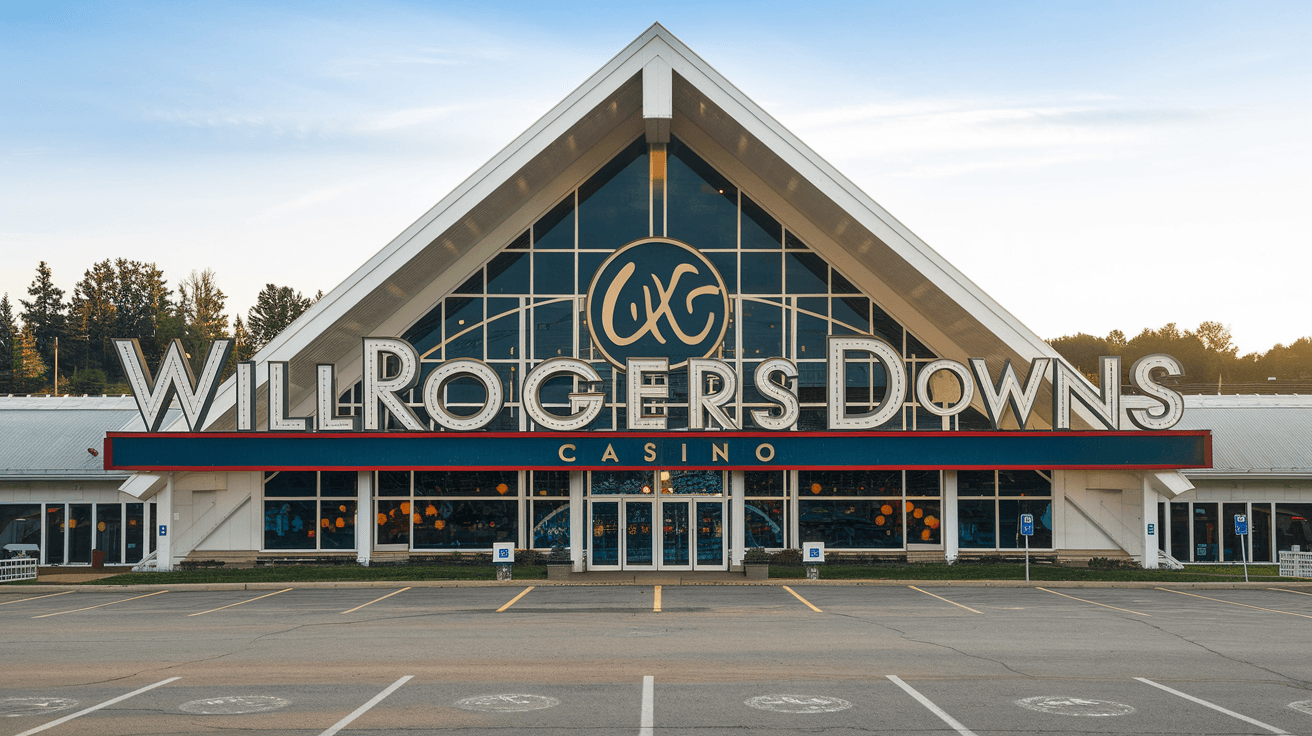
You might have noticed that many casinos in the United States are located on tribal land. This isn’t just a coincidence or a random choice. There are specific legal and historical reasons why Native American tribes operate casinos on their lands. Understanding this can help you see how tribal sovereignty and federal laws work together in the gaming industry.
In this article, I’ll explain why casinos are mostly found on tribal land, what tribal sovereignty means, and how laws like the Indian Gaming Regulatory Act shape this unique situation. You’ll also learn about the benefits and challenges tribes face when running casinos.
What Is Tribal Sovereignty?
Tribal sovereignty means that Native American tribes have the right to govern themselves. This includes making their own laws and managing their lands without interference from state governments. It’s a key reason why tribes can operate casinos on their land.
- Tribes are recognized as separate governments by the U.S. federal government.
- They have authority over their land and people, similar to states.
- This sovereignty allows tribes to create gaming operations under their own rules.
Because of tribal sovereignty, states cannot easily regulate or shut down casinos on tribal lands. This legal independence is crucial for tribal casinos to exist and thrive.
The Indian Gaming Regulatory Act (IGRA)
The Indian Gaming Regulatory Act (IGRA) of 1988 is the main law that governs casinos on tribal land. It was created to regulate gaming activities and promote tribal economic development.
Here’s what IGRA does:
- Allows tribes to operate casinos on their land.
- Requires tribes to negotiate compacts with states for certain types of gaming.
- Establishes the National Indian Gaming Commission to oversee tribal gaming.
- Ensures gaming revenues are used for tribal welfare and development.
IGRA balances tribal sovereignty with federal oversight. It protects tribes’ rights to run casinos while making sure gaming is fair and benefits tribal communities.
Why Casinos Are Rarely Found Off Tribal Land
You might wonder why casinos aren’t common outside tribal lands. The answer lies in the complex mix of state laws and federal regulations.
- Most states have strict laws limiting or banning casino gambling.
- States control gaming licenses and often restrict casino operations.
- Tribal lands are exempt from many state gambling laws due to sovereignty.
- This exemption allows tribes to offer casino games that might be illegal elsewhere.
Because of these legal barriers, tribes have a unique opportunity to develop casinos on their lands, while non-tribal entities face tougher restrictions.
Economic Benefits of Tribal Casinos
Casinos on tribal land have brought significant economic benefits to Native American communities. These benefits include:
- Job creation for tribal members and local residents.
- Revenue for tribal governments to fund healthcare, education, and infrastructure.
- Increased tourism and business opportunities in tribal areas.
- Greater financial independence and reduced poverty rates.
For many tribes, casinos are a vital source of income that supports community growth and cultural preservation.
Challenges Faced by Tribal Casinos
Despite the advantages, tribal casinos also face challenges:
- Negotiating gaming compacts with states can be difficult and political.
- Competition from commercial casinos in nearby states.
- Economic downturns and changing gambling trends affect revenues.
- Managing social issues related to gambling addiction within communities.
Tribes must carefully balance economic goals with social responsibilities to ensure sustainable gaming operations.
How Tribal Casinos Differ from Commercial Casinos
Tribal casinos are different from commercial casinos in several ways:
| Feature | Tribal Casinos | Commercial Casinos |
| Ownership | Owned and operated by Native tribes | Owned by private companies |
| Regulation | Governed by IGRA and tribal laws | Regulated by state gaming boards |
| Revenue Use | Funds tribal welfare and programs | Profits go to shareholders |
| Location | Located on tribal lands | Located in licensed commercial zones |
These differences highlight the unique role tribal casinos play in supporting Native American communities.
The Role of State-Tribal Compacts
State-tribal compacts are agreements between tribes and states that outline how casinos operate. These compacts are required for Class III gaming, which includes slot machines and table games.
Key points about compacts:
- They define the types of games allowed.
- Set rules for revenue sharing or fees paid to states.
- Establish regulatory responsibilities.
- Help resolve disputes between tribes and states.
Compacts are essential for maintaining cooperation and ensuring casinos operate smoothly.
Recent Trends in Tribal Gaming
The tribal gaming industry continues to evolve with new trends:
- Expansion into online and mobile gaming platforms.
- Partnerships with commercial gaming companies.
- Increased focus on responsible gaming programs.
- Growth in non-gaming amenities like hotels and entertainment venues.
These trends show how tribal casinos adapt to changing markets while preserving their cultural and economic goals.
Conclusion
Now you know why casinos are mostly found on tribal land. Tribal sovereignty and the Indian Gaming Regulatory Act create a unique legal environment that allows Native American tribes to operate casinos independently of state laws. This setup has helped many tribes improve their economies and provide essential services to their communities.
While tribal casinos face challenges, they remain a powerful tool for tribal self-sufficiency and cultural preservation. Understanding this background helps you appreciate the important role tribal casinos play in the U.S. gaming landscape.
FAQs
Why can only tribes operate casinos on their land?
Tribes have sovereign rights recognized by the federal government, allowing them to operate casinos under the Indian Gaming Regulatory Act, which exempts them from many state gambling restrictions.
What is the Indian Gaming Regulatory Act?
IGRA is a federal law that regulates gaming on tribal lands, requiring tribes to negotiate compacts with states and ensuring gaming revenues support tribal welfare.
Do tribal casinos pay taxes?
Tribal casinos do not pay state taxes but often share revenue with states through compacts. They use profits to fund tribal programs and services.
Can non-tribal casinos operate on tribal land?
No, only federally recognized tribes can operate casinos on their lands. Non-tribal entities must follow state laws and licensing requirements.
How do tribal casinos benefit Native American communities?
They create jobs, generate revenue for social programs, support infrastructure, and promote economic independence for tribes.