
Why Are Casinos on Water
Introduction
You might have noticed that many casinos are located on boats or floating platforms. This isn’t just a coincidence or a design choice. There are specific reasons why casinos are often found on water. Understanding these reasons can give you a clearer picture of how gambling laws and business strategies work.
In this article, I’ll explain why casinos are on water, covering legal rules, historical background, and economic benefits. By the end, you’ll see why water-based casinos remain popular in many parts of the world.
The Legal Reasons Behind Water-Based Casinos
One of the main reasons casinos are on water is due to legal restrictions. Many states and countries have strict gambling laws that limit where casinos can operate. Water-based casinos often take advantage of loopholes in these laws.
- Gambling Laws Vary by Location: Some places ban land-based casinos but allow gambling on boats or ships.
- Navigable Waters: Casinos on rivers, lakes, or coastal waters can operate under different regulations than those on land.
- Historical Legal Loopholes: In the past, gambling was only legal on ships sailing in international waters, leading to the rise of “cruise casinos.”
For example, in the United States, states like Louisiana and Mississippi allowed riverboat casinos because gambling on land was illegal. These casinos had to be on boats that could technically sail, even if they rarely left the dock.
Historical Background of Casinos on Water
The idea of casinos on water is not new. It dates back to the early 20th century when gambling laws were stricter. Operators found creative ways to offer gambling while staying within the law.
- Early Riverboat Casinos: In the 1800s, riverboats on the Mississippi River offered gambling to passengers.
- Cruise Ship Casinos: In the mid-1900s, cruise ships began offering casinos once they reached international waters.
- Legal Battles: Over time, many states legalized land casinos, but water-based casinos remained popular due to tradition and tourism appeal.
This history shows how casinos adapted to legal challenges by moving onto water, creating a unique gambling experience.
Economic Benefits of Water-Based Casinos
Water-based casinos offer several economic advantages for operators and local communities. These benefits explain why many casinos continue to choose water locations.
- Tourism Attraction: Floating casinos attract tourists looking for a unique experience.
- Job Creation: They provide jobs in hospitality, gaming, and maintenance.
- Tax Revenue: States and local governments earn taxes from casino operations.
- Lower Land Costs: Building on water can sometimes be cheaper than acquiring expensive land.
For example, the riverboat casinos in Missouri have boosted local economies by attracting visitors and creating employment opportunities.
How Water-Based Casinos Operate Today
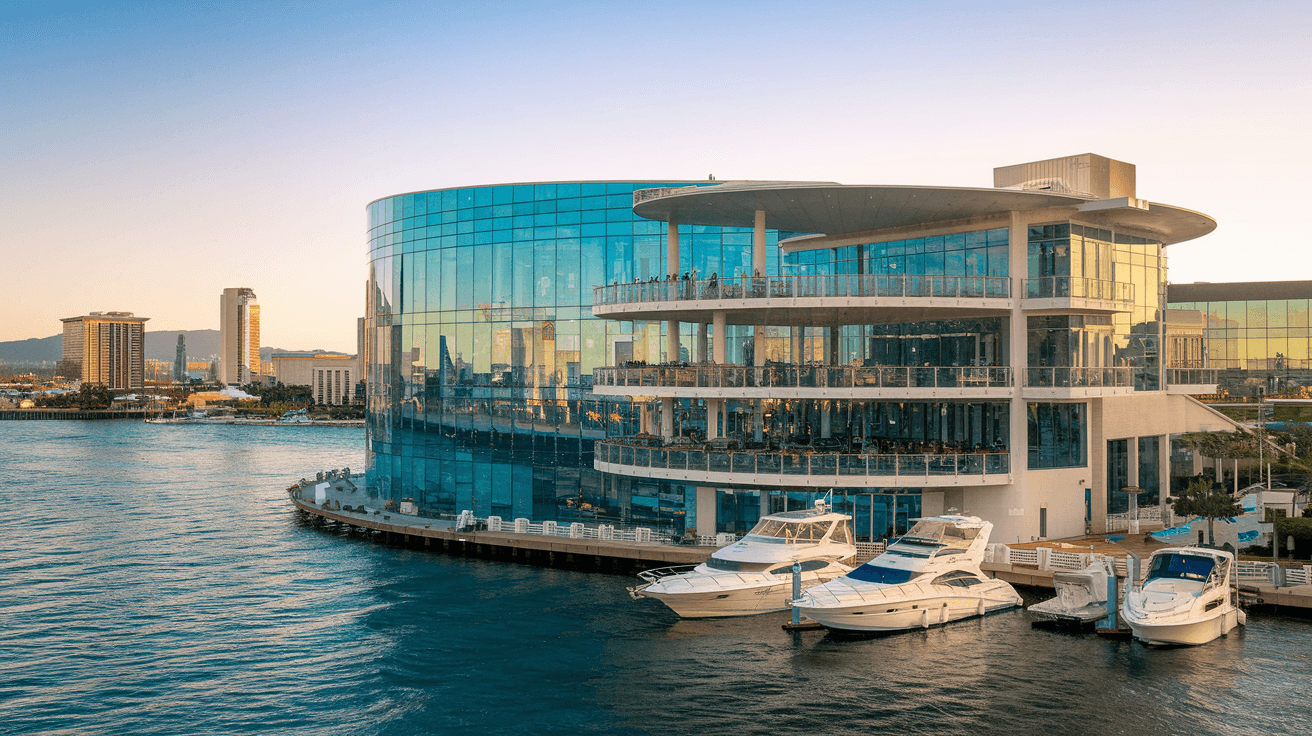
Modern water-based casinos have evolved from simple riverboats to large, luxurious floating resorts. They combine entertainment, dining, and gaming in one place.
- Stationary vs. Sailing: Many casinos are now permanently docked but still classified as water-based.
- Safety Regulations: They follow strict safety and environmental rules.
- Technology: Advanced gaming machines and online integration enhance the experience.
- Variety of Games: From slots to poker, these casinos offer a full range of gambling options.
These features make water-based casinos competitive with land-based ones while maintaining their unique charm.
Popular Locations for Water-Based Casinos
Certain regions are known for their water-based casinos due to local laws and geography.
- Mississippi River: Home to many riverboat casinos in states like Mississippi and Missouri.
- Gulf Coast: Louisiana has several floating casinos along the coast.
- Asia: Countries like Singapore and Macau have floating casinos as part of their entertainment offerings.
- Europe: Some European countries use river cruises with casinos to attract tourists.
These locations highlight how geography and law influence where casinos operate on water.
Challenges Faced by Water-Based Casinos
While water-based casinos have advantages, they also face unique challenges.
- Weather Risks: Storms and floods can disrupt operations.
- Maintenance Costs: Boats and floating structures require constant upkeep.
- Regulatory Changes: Laws can change, affecting casino licenses.
- Competition: Land-based casinos and online gambling pose strong competition.
Operators must balance these challenges with the benefits to stay successful.
The Future of Casinos on Water
Looking ahead, water-based casinos are likely to continue evolving with technology and changing laws.
- Hybrid Models: Combining land and water features to attract more visitors.
- Sustainability: Using eco-friendly materials and energy sources.
- Virtual Reality: Enhancing the gaming experience on floating casinos.
- Legal Expansion: More regions may allow water-based gambling as laws relax.
These trends suggest that casinos on water will remain a popular and innovative part of the gambling industry.
Conclusion
Now you know why casinos are often found on water. Legal loopholes, historical developments, and economic benefits all play a role. Water-based casinos offer a unique experience that blends entertainment with the charm of being on the water.
Whether it’s riverboats on the Mississippi or floating resorts in Asia, these casinos continue to attract visitors worldwide. Despite challenges, their future looks bright as they adapt to new technologies and changing regulations. Next time you see a casino on water, you’ll understand the interesting reasons behind it.
FAQs
Why do some states only allow casinos on water?
Many states restrict gambling on land but permit it on navigable waters due to historical laws. This allows casinos to operate on boats or floating platforms while complying with state regulations.
Are water-based casinos safer than land casinos?
Safety depends on the casino’s management and regulations. Water-based casinos follow strict maritime safety rules, but weather and maintenance can pose unique risks.
Can water-based casinos sail away from the dock?
Some water-based casinos are designed to sail, especially cruise ship casinos. However, many riverboat casinos remain docked permanently for convenience and stability.
Do water-based casinos offer the same games as land casinos?
Yes, modern water-based casinos provide a full range of games, including slots, poker, blackjack, and roulette, similar to land-based casinos.
Are water-based casinos more expensive to build?
Building on water can involve higher costs for construction and maintenance, but it may save money on land acquisition. Costs vary depending on location and design.