
Why Do Indians Have Casinos
Introduction
You might have noticed many casinos run by Native American tribes across the United States. Ever wondered why Indians have casinos and how these gaming operations came to be? It’s a fascinating story about sovereignty, economic development, and legal rights.
In this article, I’ll explain why Native American tribes operate casinos, the laws that support them, and how these casinos impact tribal communities. By the end, you’ll understand the unique relationship between tribes and gaming in America.
The Legal Foundation: Tribal Sovereignty and Gaming Rights
Native American tribes have a special legal status in the U.S. They are recognized as sovereign nations, which means they have the right to govern themselves on their lands. This sovereignty is the key reason why tribes can operate casinos.
- Tribal Sovereignty: Tribes have the authority to create their own laws and manage their lands.
- Indian Gaming Regulatory Act (IGRA): Passed in 1988, this federal law allows tribes to run casinos on their reservations under certain conditions.
- State Agreements: Tribes often negotiate compacts with state governments to regulate gaming activities.
The IGRA was a turning point. It balanced tribal sovereignty with state interests by requiring tribes to work with states on gaming rules. This law opened the door for tribes to legally operate casinos, which was not possible before.
Economic Reasons Behind Tribal Casinos
One of the main reasons tribes have casinos is economic development. Many reservations are in rural or isolated areas with limited job opportunities. Casinos provide a way to generate income and create jobs for tribal members.
- Job Creation: Casinos employ thousands of people, both tribal and non-tribal.
- Revenue for Services: Casino profits fund health care, education, housing, and infrastructure on reservations.
- Self-Sufficiency: Casinos help tribes reduce dependence on federal aid.
For example, the Mashantucket Pequot Tribe in Connecticut used casino revenue to build schools and hospitals. Similarly, the Seminole Tribe in Florida has invested casino earnings into community programs. These examples show how casinos can improve living standards.
How Tribal Casinos Differ from Commercial Casinos
Tribal casinos are not the same as commercial casinos you find in Las Vegas or Atlantic City. There are important differences based on ownership, regulation, and purpose.
- Ownership: Tribal casinos are owned and operated by the tribe, not private companies.
- Regulation: They follow rules set by the tribe, the IGRA, and state compacts.
- Purpose: Profits go back to the tribe and community, not shareholders.
This model ensures that gaming benefits tribal members directly. It also respects tribal sovereignty by allowing tribes to control their own economic ventures.
The Impact of Casinos on Tribal Communities
Casinos have transformed many tribal communities, but the effects are mixed. While many tribes have seen improvements, challenges remain.
Positive Impacts
- Improved Infrastructure: Roads, schools, and health clinics have been built or upgraded.
- Cultural Preservation: Some tribes use casino funds to support language and cultural programs.
- Poverty Reduction: Increased income has helped reduce poverty rates on some reservations.
Challenges
- Social Issues: Gambling addiction and related problems can affect tribal members.
- Economic Dependence: Some tribes rely heavily on casino revenue, which can be risky if gaming declines.
- Disputes: Conflicts sometimes arise between tribes and states over gaming rights and revenue sharing.
Despite challenges, many tribes view casinos as a vital tool for economic growth and cultural survival.
The Growth of Tribal Casinos Across the U.S.
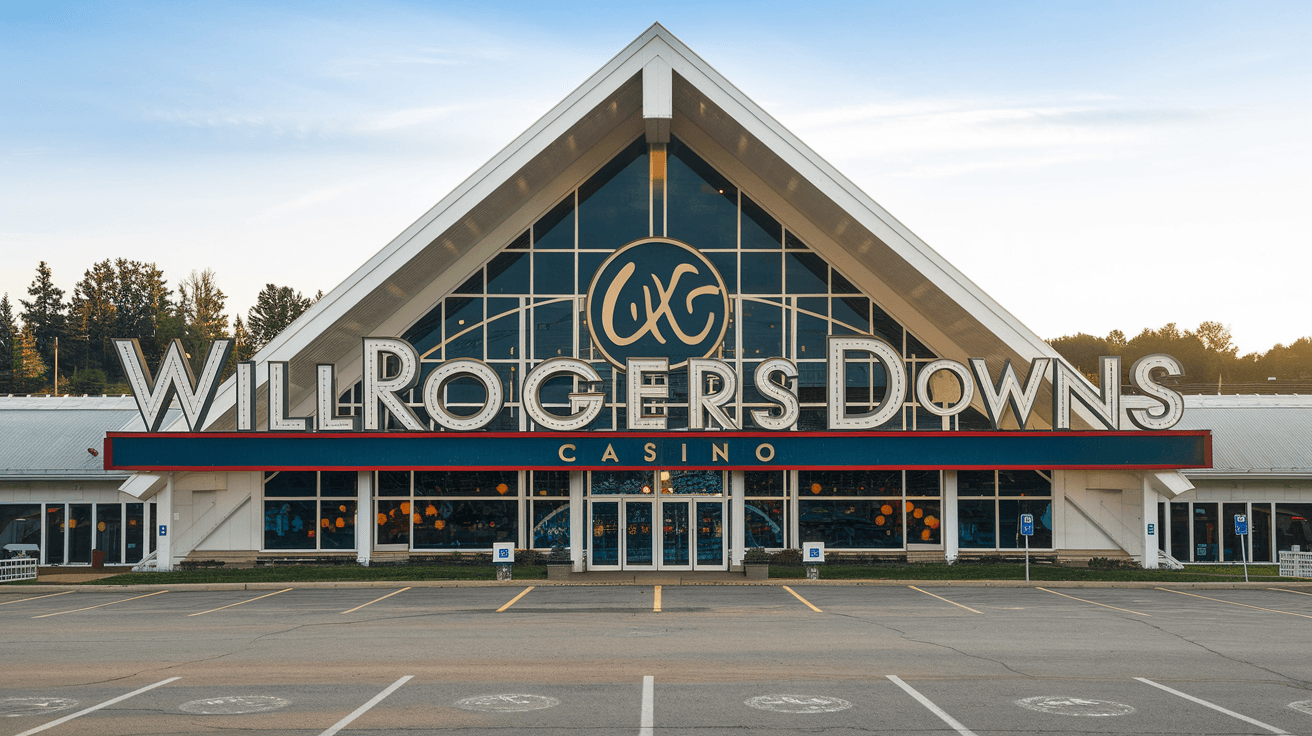
Since the IGRA was passed, tribal casinos have grown significantly. Today, there are over 500 tribal gaming operations in the U.S., ranging from small bingo halls to large resorts.
- Geographic Spread: Casinos are found in nearly every state with tribal lands.
- Variety of Games: Many offer slot machines, poker, blackjack, and other popular games.
- Tourism Boost: Some tribal casinos attract visitors from across the country, boosting local economies.
This growth reflects the success of tribal gaming as a business and its importance to many tribes.
How Tribal Casinos Are Regulated and Monitored
Tribal casinos operate under a complex system of oversight to ensure fairness and compliance with laws.
- Tribal Gaming Commissions: Tribes have their own agencies to regulate casinos.
- National Indian Gaming Commission (NIGC): A federal agency that oversees tribal gaming operations.
- State Compacts: Agreements with states include rules on game types, revenue sharing, and dispute resolution.
This layered regulation helps maintain integrity in tribal gaming and protects both players and tribes.
The Future of Tribal Casinos
Looking ahead, tribal casinos face new opportunities and challenges.
- Expansion into Online Gaming: Some tribes are exploring internet casinos and sports betting.
- Diversification: Many tribes are investing casino profits into other businesses like hotels and entertainment.
- Legal Changes: Ongoing negotiations with states and federal government may affect gaming rights.
Tribal casinos will likely remain a key part of tribal economies, but tribes are also planning for a future beyond gaming.
Conclusion
Now you know why Indians have casinos: it’s about tribal sovereignty, economic development, and self-determination. Casinos provide tribes with a way to generate income, create jobs, and improve community services.
While challenges exist, tribal gaming has transformed many reservations and helped preserve Native American cultures. As the industry evolves, tribes continue to balance tradition with innovation, ensuring casinos remain a powerful tool for their future.
FAQs
Why are casinos allowed on Native American land?
Casinos are allowed because tribes are sovereign nations with the right to govern themselves. The Indian Gaming Regulatory Act supports tribal gaming under federal law.
How do tribal casinos benefit Native American communities?
They create jobs, generate revenue for health care and education, and help reduce poverty on reservations.
Are tribal casinos regulated differently than commercial casinos?
Yes, tribal casinos are regulated by tribal authorities, the National Indian Gaming Commission, and state compacts, respecting tribal sovereignty.
Can anyone visit a tribal casino?
Most tribal casinos are open to the public, but some may have age restrictions or specific rules.
What challenges do tribal casinos face?
Challenges include gambling addiction, economic dependence on gaming, and legal disputes with states.