
Who Owns Mystic Lake Casino
Introduction
If you’ve ever wondered who owns Mystic Lake Casino, you’re not alone. This popular casino in Minnesota attracts thousands of visitors every year, and many are curious about the people or organization behind it. Understanding the ownership helps you get a clearer picture of how the casino operates and its role in the community.
In this article, I’ll walk you through the ownership of Mystic Lake Casino, its connection to the Shakopee Mdewakanton Sioux Community, and what that means for the casino’s success. You’ll also learn about the tribe’s impact on the local economy and how Mystic Lake fits into the bigger picture of tribal gaming in the U.S.
Who Owns Mystic Lake Casino?
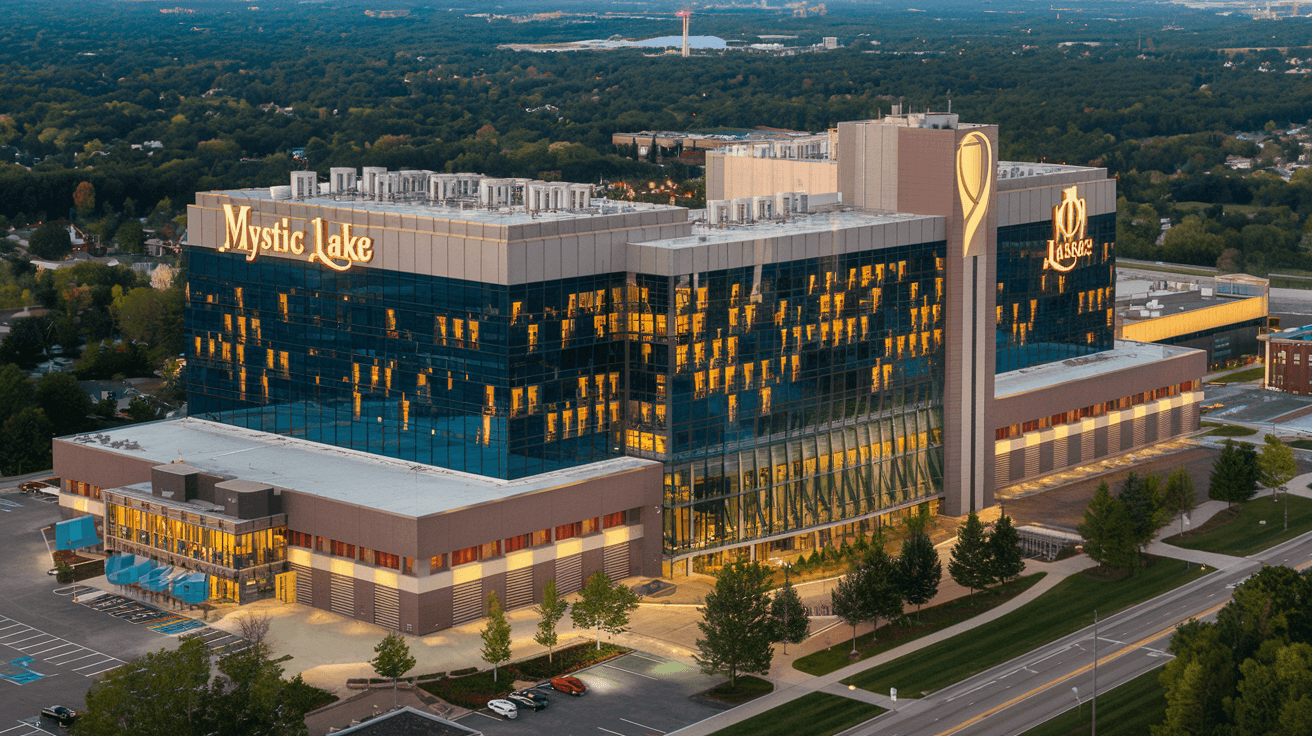
Mystic Lake Casino is owned and operated by the Shakopee Mdewakanton Sioux Community (SMSC). The SMSC is a federally recognized Native American tribe based in Minnesota. This ownership is significant because it means the casino is tribal-owned, which comes with unique legal and economic implications.
About the Shakopee Mdewakanton Sioux Community
- The SMSC is part of the Dakota Sioux people.
- They have a reservation near Prior Lake, Minnesota.
- The tribe gained federal recognition in the 1960s.
- Mystic Lake Casino is their flagship business.
Owning the casino allows the SMSC to generate revenue that supports tribal government, social services, and community development. The tribe uses profits from Mystic Lake to fund education, healthcare, housing, and cultural preservation programs.
How Tribal Ownership Works
Tribal casinos like Mystic Lake operate under the Indian Gaming Regulatory Act (IGRA), a federal law that governs gaming on Native American lands. This law allows tribes to run casinos on their reservations, subject to agreements with state governments.
Key Points About Tribal Casino Ownership
- The tribe owns the land and the casino.
- The casino operates under a compact with the state.
- Profits go directly to the tribe, not private investors.
- Tribal sovereignty allows self-regulation within federal guidelines.
This setup benefits tribes by providing economic independence and funding for community needs. For Mystic Lake, it means the SMSC controls all aspects of the casino’s operations and uses the income to improve tribal life.
History of Mystic Lake Casino Ownership
Mystic Lake Casino opened in 1992 as a small bingo hall. Over the years, the SMSC expanded it into a full-scale casino and resort. The tribe has continually reinvested in the property, making it one of the largest and most successful tribal casinos in the U.S.
Timeline Highlights
- 1992: Mystic Lake opens as a bingo hall.
- Late 1990s: Expanded to include slot machines and table games.
- 2007: Major expansion added a hotel and event center.
- 2020s: Ongoing renovations and new amenities.
Throughout this growth, the SMSC has maintained full ownership and control. The tribe’s leadership has focused on sustainable development and community benefits.
Economic Impact of Tribal Ownership
The ownership of Mystic Lake Casino by the SMSC has a significant economic impact on the region. It creates jobs, supports local businesses, and funds tribal programs.
Economic Benefits Include:
- Over 4,000 employees work at Mystic Lake.
- The casino generates hundreds of millions in annual revenue.
- Tribal profits support education, healthcare, and housing.
- The SMSC contributes millions in charitable donations annually.
This economic success has helped the SMSC become one of the wealthiest tribes in the U.S., allowing them to invest in their community and beyond.
What Makes Mystic Lake Casino Unique?
Because it is owned by the SMSC, Mystic Lake Casino reflects the tribe’s values and culture. The casino incorporates Dakota art and traditions into its design and operations.
Unique Features of Mystic Lake
- Tribal artwork and cultural displays throughout the property.
- Community events and cultural celebrations hosted regularly.
- Profits used to preserve Dakota language and heritage.
- Focus on responsible gaming and community wellness.
This tribal ownership model ensures that Mystic Lake is more than just a casino—it’s a cultural hub and a source of pride for the SMSC.
How Tribal Ownership Affects Casino Operations
Being owned by a tribe means Mystic Lake operates differently than commercial casinos. The SMSC prioritizes community welfare and long-term sustainability over short-term profits.
Operational Differences
- Emphasis on employee benefits and training.
- Investment in community health and education.
- Collaboration with state and federal agencies.
- Commitment to environmental sustainability.
These factors contribute to Mystic Lake’s reputation as a responsible and community-focused casino.
The Role of Tribal Leadership
The SMSC’s tribal council oversees Mystic Lake Casino. This leadership ensures the casino aligns with tribal goals and values.
Tribal Leadership Responsibilities
- Setting policies for casino operations.
- Managing financial oversight and reinvestment.
- Ensuring compliance with gaming regulations.
- Engaging with community members and stakeholders.
Strong leadership has been key to Mystic Lake’s success and the tribe’s overall prosperity.
Mystic Lake Casino and Minnesota’s Gaming Landscape
Mystic Lake is one of several tribal casinos in Minnesota. Tribal ownership is common in the state, with many tribes operating casinos under similar agreements.
Minnesota Tribal Casinos Overview
| Casino Name | Owning Tribe | Location |
| Mystic Lake Casino | Shakopee Mdewakanton Sioux Community | Prior Lake |
| Grand Casino Mille Lacs | Mille Lacs Band of Ojibwe | Onamia |
| Grand Casino Hinckley | Mille Lacs Band of Ojibwe | Hinckley |
These casinos collectively contribute billions to the state economy and support tribal sovereignty.
Future of Mystic Lake Casino Ownership
The SMSC continues to invest in Mystic Lake’s future. Plans include expanding amenities, enhancing technology, and increasing community programs.
Future Plans
- Adding new hotel rooms and entertainment options.
- Upgrading gaming technology and customer experience.
- Expanding cultural and educational initiatives.
- Strengthening environmental sustainability efforts.
The tribe’s ownership ensures that Mystic Lake will remain a vital part of the community for years to come.
Conclusion
Now you know that Mystic Lake Casino is owned by the Shakopee Mdewakanton Sioux Community, a federally recognized Native American tribe. This ownership model allows the tribe to control the casino’s operations and use its profits to support tribal programs and community development.
Understanding who owns Mystic Lake helps you appreciate the casino’s role beyond gaming. It’s a symbol of tribal sovereignty, cultural pride, and economic success. Whether you visit for entertainment or are curious about tribal gaming, knowing the story behind Mystic Lake adds depth to your experience.
FAQs
Who owns Mystic Lake Casino?
Mystic Lake Casino is owned by the Shakopee Mdewakanton Sioux Community, a federally recognized Native American tribe in Minnesota.
Is Mystic Lake Casino a tribal casino?
Yes, Mystic Lake is a tribal casino operated by the Shakopee Mdewakanton Sioux Community under federal and state gaming laws.
How does tribal ownership affect Mystic Lake Casino?
Tribal ownership means the casino’s profits support the tribe’s community programs, cultural preservation, and economic development.
What is the history of Mystic Lake Casino ownership?
The SMSC opened Mystic Lake in 1992 and has expanded it over the years, maintaining full ownership and control.
Does Mystic Lake Casino contribute to the local economy?
Yes, Mystic Lake creates thousands of jobs and generates significant revenue that benefits both the tribe and the surrounding community.