
Who Owns Choctaw Casino
Introduction
If you’ve ever wondered who owns Choctaw Casino, you’re not alone. Many people are curious about the ownership and management behind this popular gaming destination. Understanding who controls the casino gives you insight into its operations, culture, and the community it supports.
In this article, I’ll walk you through the ownership of Choctaw Casino, the role of the Choctaw Nation, and how this casino fits into the broader picture of tribal gaming in the United States. You’ll also learn about the casino’s history and its impact on the local economy.
Who Owns Choctaw Casino?
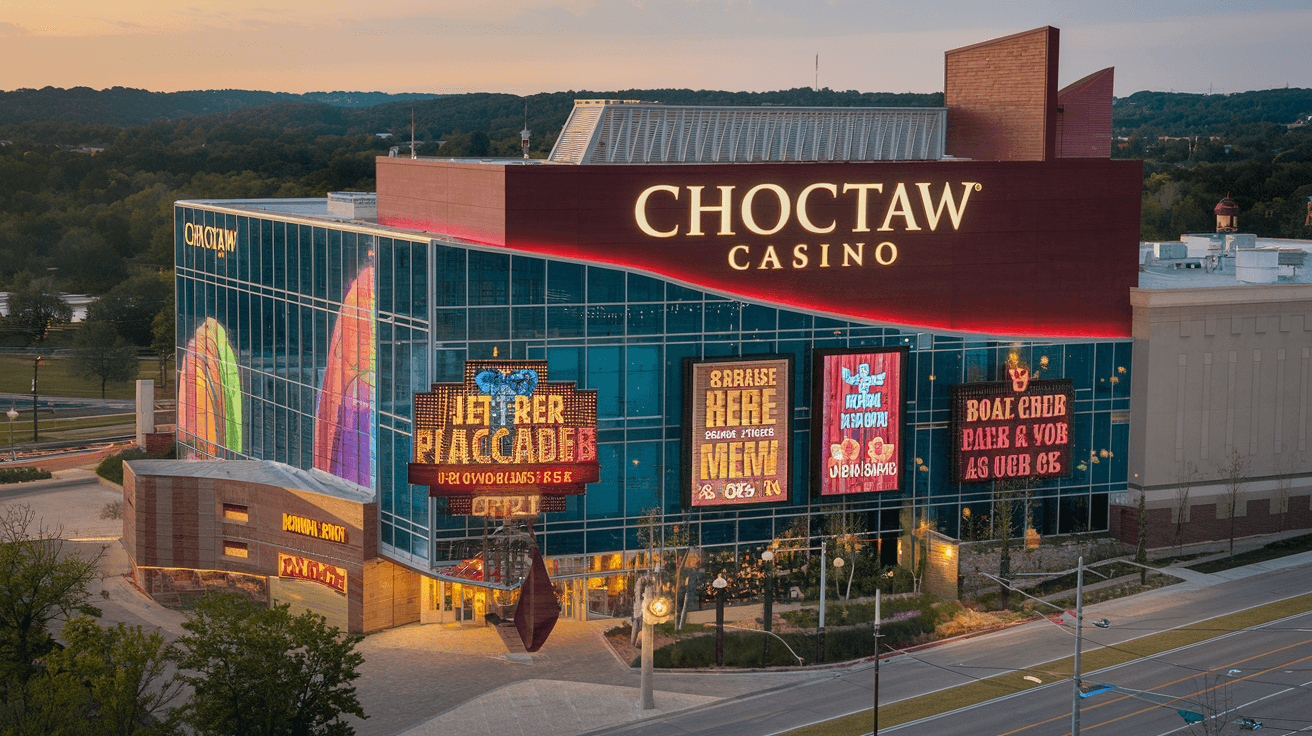
Choctaw Casino is owned and operated by the Choctaw Nation of Oklahoma. The Choctaw Nation is a federally recognized Native American tribe with a rich history and a strong presence in southeastern Oklahoma. The tribe manages the casino as part of its economic development efforts.
About the Choctaw Nation
- The Choctaw Nation is one of the largest Native American tribes in the United States.
- It has a tribal government that oversees various enterprises, including casinos, health services, and education.
- The tribe’s headquarters are in Durant, Oklahoma, where the main Choctaw Casino Resort is located.
The ownership of Choctaw Casino by the tribe means that profits from the casino go back into the community. These funds support tribal programs, infrastructure, and services for tribal members.
History of Choctaw Casino
The Choctaw Nation opened its first casino in the late 1980s after the Indian Gaming Regulatory Act was passed in 1988. This law allowed federally recognized tribes to operate gaming facilities on their lands under certain regulations.
Key Milestones
- 1988: Indian Gaming Regulatory Act passed, enabling tribal gaming.
- Early 1990s: Choctaw Nation opens its first casino.
- 2005: The Choctaw Casino Resort in Durant opens, becoming one of the largest casinos in Oklahoma.
- 2020s: Expansion of gaming facilities and amenities to attract more visitors.
The casino has grown from a small gaming hall to a full resort with hotels, restaurants, and entertainment venues. This growth reflects the tribe’s commitment to economic development and self-sufficiency.
How the Choctaw Nation Manages the Casino
The Choctaw Nation operates the casino through a tribal gaming commission and a management team. This structure ensures the casino runs smoothly and complies with federal and state regulations.
Management Structure
- Tribal Gaming Commission: Oversees regulatory compliance and fair gaming practices.
- Casino Management Team: Handles day-to-day operations, marketing, and customer service.
- Security and Surveillance: Ensures safety and integrity within the casino.
The tribe’s management focuses on providing a high-quality experience for guests while maintaining transparency and accountability.
Economic Impact of Choctaw Casino
Choctaw Casino is a major economic driver in southeastern Oklahoma. It provides jobs, generates tax revenue, and supports local businesses.
Economic Benefits
- Employs thousands of people, including tribal members and local residents.
- Generates millions in revenue that fund tribal programs like healthcare and education.
- Attracts tourists, boosting nearby hotels, restaurants, and shops.
- Supports infrastructure projects within the Choctaw Nation’s jurisdiction.
The casino’s success has helped improve living standards and create opportunities for the Choctaw community.
Other Choctaw Casinos and Enterprises
Besides the main resort in Durant, the Choctaw Nation owns several other casinos across Oklahoma. These smaller casinos serve different regions and contribute to the tribe’s overall economic portfolio.
Additional Casinos
- Choctaw Casino Broken Bow
- Choctaw Casino Grant
- Choctaw Casino McAlester
- Choctaw Casino Pocola
Each location offers gaming, dining, and entertainment options tailored to its community. The tribe also invests in other businesses like retail and hospitality to diversify its income.
Tribal Ownership vs. Commercial Casinos
Choctaw Casino is a tribal casino, which means it is owned by a Native American tribe rather than a private company. This distinction affects how the casino operates and how profits are used.
Differences Between Tribal and Commercial Casinos
| Aspect | Tribal Casinos (e.g., Choctaw) | Commercial Casinos |
| Ownership | Native American tribes | Private companies or corporations |
| Regulation | Tribal gaming commissions + federal oversight | State gaming commissions |
| Revenue Use | Supports tribal community and programs | Distributed to shareholders |
| Location | On tribal lands | Various commercial zones |
Tribal ownership allows the Choctaw Nation to use casino profits to support its people and preserve its culture.
The Role of the Indian Gaming Regulatory Act
The Indian Gaming Regulatory Act (IGRA) is crucial to understanding who owns and operates Choctaw Casino. Passed by Congress, IGRA provides the legal framework for tribal gaming.
How IGRA Affects Choctaw Casino
- Recognizes tribal sovereignty over gaming on tribal lands.
- Requires tribes to negotiate compacts with states for certain types of gaming.
- Establishes the National Indian Gaming Commission to oversee operations.
- Ensures gaming revenues benefit tribal communities.
Without IGRA, the Choctaw Nation would not have the legal authority to operate casinos on its land.
Community and Cultural Impact
Choctaw Casino is more than just a gaming venue. It plays a vital role in preserving Choctaw culture and supporting community programs.
Cultural and Social Contributions
- Funds cultural events, language preservation, and educational scholarships.
- Provides healthcare and social services to tribal members.
- Supports youth programs and elder care.
- Promotes Choctaw heritage through museum exhibits and cultural centers.
The casino’s ownership by the tribe ensures that profits help maintain and celebrate Choctaw identity.
Future Developments and Expansion
The Choctaw Nation continues to invest in its casino properties to enhance guest experiences and increase revenue.
Planned Projects
- Expanding hotel capacity and adding new dining options.
- Introducing new gaming technologies and entertainment venues.
- Developing eco-friendly and sustainable resort features.
- Enhancing community outreach and employment programs.
These efforts aim to keep Choctaw Casino competitive and beneficial for the tribe and visitors alike.
Conclusion
Now you know that Choctaw Casino is owned by the Choctaw Nation of Oklahoma, a federally recognized Native American tribe. The tribe’s ownership means the casino is more than just a business—it’s a vital source of income and cultural preservation for the Choctaw people.
The casino’s history, management, and economic impact highlight how tribal gaming supports community development. As the Choctaw Nation continues to grow its gaming enterprises, Choctaw Casino remains a shining example of tribal sovereignty and success in the gaming industry.
FAQs
Who owns Choctaw Casino?
Choctaw Casino is owned by the Choctaw Nation of Oklahoma, a federally recognized Native American tribe.
What is the Indian Gaming Regulatory Act?
It’s a federal law that allows tribes to operate casinos on their lands under specific regulations and oversight.
How does Choctaw Casino benefit the tribe?
Profits fund tribal programs like healthcare, education, cultural preservation, and community services.
Are there other Choctaw casinos?
Yes, the Choctaw Nation owns several casinos across Oklahoma, including locations in Broken Bow, Grant, McAlester, and Pocola.
Is Choctaw Casino a commercial casino?
No, it is a tribal casino owned and operated by the Choctaw Nation, not a private company.