
Who Owns Casinos in Vegas
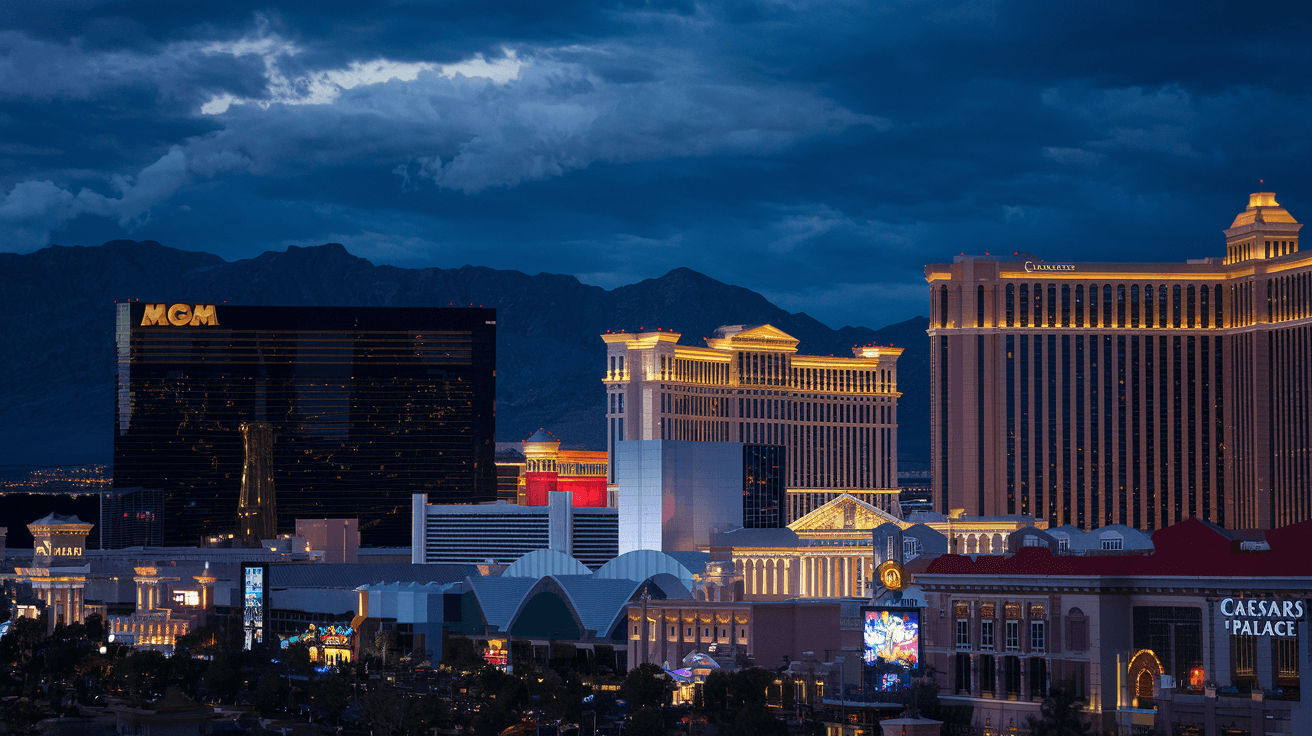
Las Vegas is famous worldwide for its dazzling casinos and vibrant nightlife. If you’ve ever wondered who owns these iconic casinos, you’re not alone. Understanding the ownership behind Vegas casinos gives you a glimpse into the business world that powers this entertainment capital. Whether you’re a visitor or just curious, knowing who controls these properties helps you appreciate the scale and complexity of the industry.
In this article, I’ll walk you through the major casino owners in Las Vegas. We’ll explore the big companies, their most famous properties, and how ownership has evolved over time. By the end, you’ll have a clear picture of who runs the show in Vegas and why it matters.
Major Casino Owners in Las Vegas
Las Vegas casinos are mostly owned by a handful of large corporations. These companies manage multiple properties and invest billions to keep the city exciting. Here are the main players:
- MGM Resorts International
- Caesars Entertainment
- Wynn Resorts
- Las Vegas Sands
- Boyd Gaming
Each of these companies owns several casinos on the Strip and beyond. Let’s look closer at what they own and how they operate.
MGM Resorts International
MGM Resorts International is one of the largest casino operators in Las Vegas. They own some of the most famous resorts on the Strip, including:
- Bellagio
- MGM Grand
- Mandalay Bay
- The Mirage
- Park MGM
MGM Resorts is known for its luxury properties and entertainment options. They also focus heavily on integrating hotels, casinos, and shows to create a full experience. MGM’s ownership extends beyond Vegas, with properties in other states and countries.
Caesars Entertainment
Caesars Entertainment is another giant in the Vegas casino scene. They own iconic casinos such as:
- Caesars Palace
- Harrah’s Las Vegas
- The Cromwell
- Flamingo Las Vegas
- Paris Las Vegas
Caesars is famous for its loyalty program, Caesars Rewards, which connects all its properties. This company has grown through mergers and acquisitions, becoming a dominant force in the gaming industry.
Wynn Resorts
Wynn Resorts owns two major properties on the Strip:
- Wynn Las Vegas
- Encore at Wynn Las Vegas
Known for luxury and elegance, Wynn Resorts focuses on high-end experiences. Their casinos feature upscale dining, shopping, and entertainment. Wynn Resorts is smaller than MGM or Caesars but highly influential in the luxury market.
Las Vegas Sands
Las Vegas Sands once owned The Venetian and The Palazzo, two of the largest casinos on the Strip. However, in recent years, they sold these properties to focus on international markets like Macau and Singapore. As of now, Las Vegas Sands no longer owns casinos on the Strip but remains a key player globally.
Boyd Gaming
Boyd Gaming owns several casinos in Las Vegas, mostly off the Strip. Their properties include:
- The Orleans
- Gold Coast
- Sam’s Town Hotel and Gambling Hall
Boyd Gaming focuses on local markets and offers a more affordable gaming experience compared to the luxury resorts on the Strip.
How Casino Ownership Has Changed Over Time
The ownership landscape in Las Vegas has shifted dramatically over the decades. Originally, many casinos were owned by individual entrepreneurs or small groups. Over time, large corporations took over, bringing more investment and professionalism.
- Early Days: Casinos were often family-owned or run by small partnerships.
- 1980s-1990s: Big companies like MGM and Caesars started buying multiple properties.
- 2000s: Mergers and acquisitions accelerated, creating a few dominant players.
- Recent Years: Companies like Las Vegas Sands have shifted focus internationally, while others continue expanding in Vegas.
This consolidation has made the industry more stable but also less diverse in ownership.
Why Ownership Matters to You
Knowing who owns casinos in Vegas affects your experience as a visitor. Here’s why:
- Loyalty Programs: Big companies offer rewards that work across multiple casinos.
- Quality and Service: Ownership influences the level of luxury and entertainment.
- Events and Promotions: Owners decide what shows, tournaments, and deals happen.
- Economic Impact: These companies invest in jobs and local development.
When you stay at a Caesars property, for example, you can earn points that work at Harrah’s or Paris Las Vegas. This makes your Vegas trip more rewarding.
The Role of Real Estate Investment Trusts (REITs)
In recent years, many casino companies have separated property ownership from operations. Real Estate Investment Trusts (REITs) now own the land and buildings, leasing them to casino operators. This model helps companies raise capital and focus on running casinos.
- Vici Properties is a major REIT that owns many Vegas casino properties.
- They lease properties to MGM Resorts, Caesars Entertainment, and others.
- This separation allows for more financial flexibility in the industry.
Understanding REITs helps explain why you might see different names on casino buildings and in business reports.
The Future of Casino Ownership in Vegas
The casino industry in Las Vegas continues to evolve. Here are some trends shaping ownership:
- Increased Consolidation: Companies may merge or acquire more properties to stay competitive.
- Focus on Non-Gaming Revenue: Casinos invest in hotels, restaurants, and entertainment to diversify income.
- Technology Integration: Owners are adopting digital platforms for gaming and customer engagement.
- Sustainability: Some owners are investing in eco-friendly practices and green buildings.
These trends mean ownership will remain dynamic, with companies adapting to new challenges and opportunities.
Summary Table: Major Casino Owners and Their Key Properties
| Owner | Key Casinos on the Strip | Focus Area |
| MGM Resorts | Bellagio, MGM Grand, Mandalay Bay | Luxury, entertainment |
| Caesars Entertainment | Caesars Palace, Flamingo, Paris Las Vegas | Loyalty programs, variety |
| Wynn Resorts | Wynn Las Vegas, Encore | High-end luxury |
| Las Vegas Sands | Sold Strip properties, focus on Asia | International markets |
| Boyd Gaming | The Orleans, Gold Coast, Sam’s Town | Local markets, affordability |
Conclusion
Now you know who owns casinos in Las Vegas and why it matters. The city’s gaming scene is controlled by a few big companies like MGM Resorts, Caesars Entertainment, and Wynn Resorts. These owners shape your experience through their properties, loyalty programs, and entertainment options.
Ownership in Vegas has changed a lot over time, moving from small operators to large corporations and REITs. This shift has brought stability and growth but also made the industry more concentrated. As you explore Vegas, understanding who owns the casinos helps you navigate the city better and enjoy all it has to offer.
FAQs
Who owns the Bellagio casino in Las Vegas?
The Bellagio is owned and operated by MGM Resorts International, one of the largest casino companies in Vegas.
Does Caesars Entertainment own multiple casinos in Las Vegas?
Yes, Caesars owns several casinos including Caesars Palace, Flamingo, Paris Las Vegas, and Harrah’s.
What happened to Las Vegas Sands’ casinos on the Strip?
Las Vegas Sands sold The Venetian and The Palazzo to focus on international markets like Macau and Singapore.
What is a REIT and how does it relate to Vegas casinos?
A REIT is a Real Estate Investment Trust that owns casino properties and leases them to operators, helping companies raise capital.
Are there any family-owned casinos left in Las Vegas?
Most casinos are now owned by large corporations, but some smaller, local casinos may still be family-owned.