
Who Invented the Casino
Introduction
Have you ever wondered who invented the casino? Casinos are now a major part of entertainment worldwide, but their origins are fascinating and stretch back centuries. Understanding who started the first casino helps us appreciate how gambling evolved into the vibrant industry it is today.
In this article, I’ll take you through the history of casinos, from their earliest beginnings to the modern establishments we know. You’ll learn about the key figures and places that shaped the casino world, and how these venues became popular hubs for fun and games.
The Origins of Gambling and Early Casinos
Gambling has been part of human culture for thousands of years. Ancient civilizations like the Chinese, Greeks, and Romans played games of chance using dice, cards, and other tools. However, the concept of a dedicated place for gambling, which we now call a casino, came much later.
The word "casino" originally meant a small country villa or social club in Italy. These places were used for music, dancing, and socializing. Over time, some of these venues began to offer gambling activities, which led to the modern meaning of the word.
The First Official Casino: Venice, Italy
The first official casino is widely recognized as the Casino di Venezia, which opened in 1638 in Venice, Italy. This establishment was not just a gambling house but also a social club where people gathered to play games like biribi, a lottery-style game.
- Opened in 1638 in Venice.
- Originally a social club with gambling.
- Still operates today, making it the oldest casino in the world.
This casino set the stage for future gambling venues by combining entertainment with betting games in a dedicated space.
The Evolution of Casinos in Europe
After Venice, casinos spread across Europe, especially in France and Germany. These countries played a significant role in developing the casino culture.
France and the Rise of Gambling Houses
In the 18th and 19th centuries, France became a hotspot for gambling. The French aristocracy loved games like roulette and baccarat, which were developed or refined during this time.
- The famous roulette wheel was invented in France around 1796.
- Gambling houses, or "gaming salons," became popular in spa towns like Monte Carlo.
- The Monte Carlo Casino, opened in 1863, became a symbol of luxury and high-stakes gambling.
The Monte Carlo Casino still stands as one of the most famous casinos in the world, attracting visitors with its elegance and history.
Germany and the Spread of Casinos
Germany also contributed to the casino culture by establishing gambling houses in cities like Baden-Baden. These venues were known for their sophisticated atmosphere and helped popularize casino games across Europe.
- Baden-Baden casino opened in the early 19th century.
- Known for attracting European nobility.
- Helped spread casino culture beyond Italy and France.
The Birth of Modern Casinos in the United States
Casinos as we know them today took a big leap forward in the United States, especially in Nevada. The American casino industry is closely tied to the development of Las Vegas.
Las Vegas: The Casino Capital
Las Vegas became the gambling capital of the world thanks to a combination of legal changes and visionary entrepreneurs.
- Nevada legalized gambling in 1931.
- The first major casino, the El Rancho Vegas, opened in 1941.
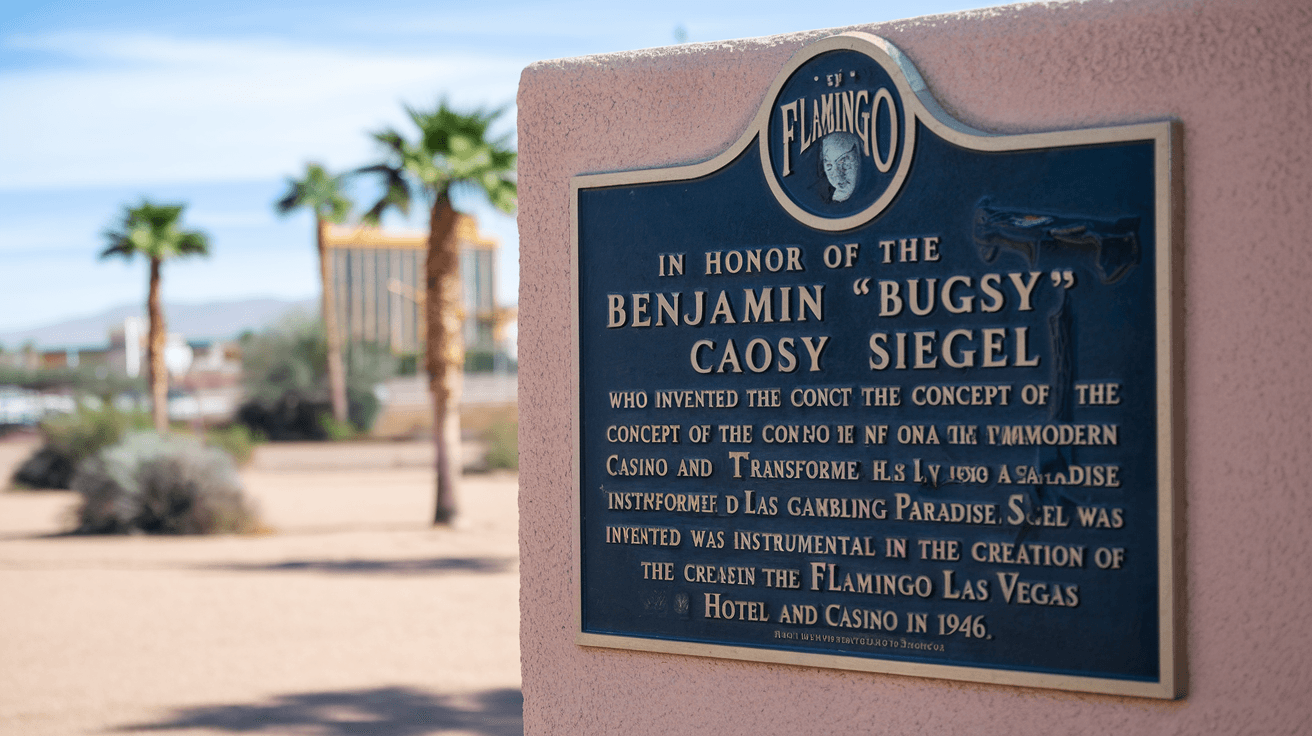
- Bugsy Siegel, a famous mobster, played a key role in developing the Flamingo Hotel in 1946, which set the standard for luxury casinos.
Las Vegas casinos combined gambling with entertainment, hotels, and dining, creating a full experience for visitors.
The Role of Entrepreneurs and Innovators
Several key figures helped shape the modern casino industry in the U.S.:
- Bugsy Siegel: Credited with building the first luxury casino resort in Las Vegas.
- Moe Dalitz: Influential in developing casinos in Las Vegas and beyond.
- Steve Wynn: Revolutionized casino design and entertainment in the late 20th century.
These innovators transformed casinos from simple gambling halls into entertainment complexes.
How Casinos Work: Games and Technology
Understanding who invented the casino also means looking at the games and technology that make casinos popular today.
Popular Casino Games and Their Origins
Many casino games have interesting histories:
- Roulette: Invented in France, combining elements of earlier games.
- Poker: Developed in the U.S. in the 19th century, evolving from European card games.
- Blackjack: Originated from French and Spanish card games.
These games became staples in casinos worldwide.
Technology in Modern Casinos
Technology has changed how casinos operate:
- Electronic slot machines replaced mechanical ones.
- Online casinos emerged, allowing gambling from home.
- Advanced security systems protect casinos and players.
Technology keeps casinos evolving and accessible to more people.
Casinos Around the World Today
Today, casinos are found worldwide, each with unique styles and cultures.
Asia’s Growing Casino Market
Countries like Macau and Singapore have become major casino hubs:
- Macau is now the largest gambling market globally.
- Singapore’s Marina Bay Sands is famous for its luxury casino and hotel.
Europe’s Historic and Modern Casinos
Europe still hosts many historic casinos, like Monte Carlo, alongside modern venues in cities like London and Prague.
The Future of Casinos
Casinos continue to innovate with virtual reality, blockchain gambling, and sustainable practices to attract new generations of players.
Conclusion
So, who invented the casino? While gambling has ancient roots, the first official casino was the Casino di Venezia in 1638. From there, casinos evolved across Europe and later in the United States, especially Las Vegas, thanks to entrepreneurs who transformed gambling into a full entertainment experience.
Today, casinos are global attractions blending history, culture, and technology. Whether you visit a historic European casino or a modern resort in Asia, you’re part of a long tradition that started centuries ago. Understanding this history makes your next casino visit even more exciting.
FAQs
Who opened the first casino in the world?
The first official casino is the Casino di Venezia, which opened in Venice, Italy, in 1638. It started as a social club offering gambling games.
What is the oldest casino still operating today?
The Casino di Venezia is the oldest casino still operating, maintaining its original location and continuing to offer gambling activities.
How did Las Vegas become the casino capital?
Las Vegas became the casino capital after Nevada legalized gambling in 1931, followed by the development of luxury casinos like the Flamingo in the 1940s.
Who was Bugsy Siegel?
Bugsy Siegel was a mobster and entrepreneur who helped develop the Flamingo Hotel in Las Vegas, pioneering the luxury casino resort concept.
What are some popular casino games invented in Europe?
Popular casino games invented or refined in Europe include roulette (France), baccarat (France), and blackjack (France and Spain).