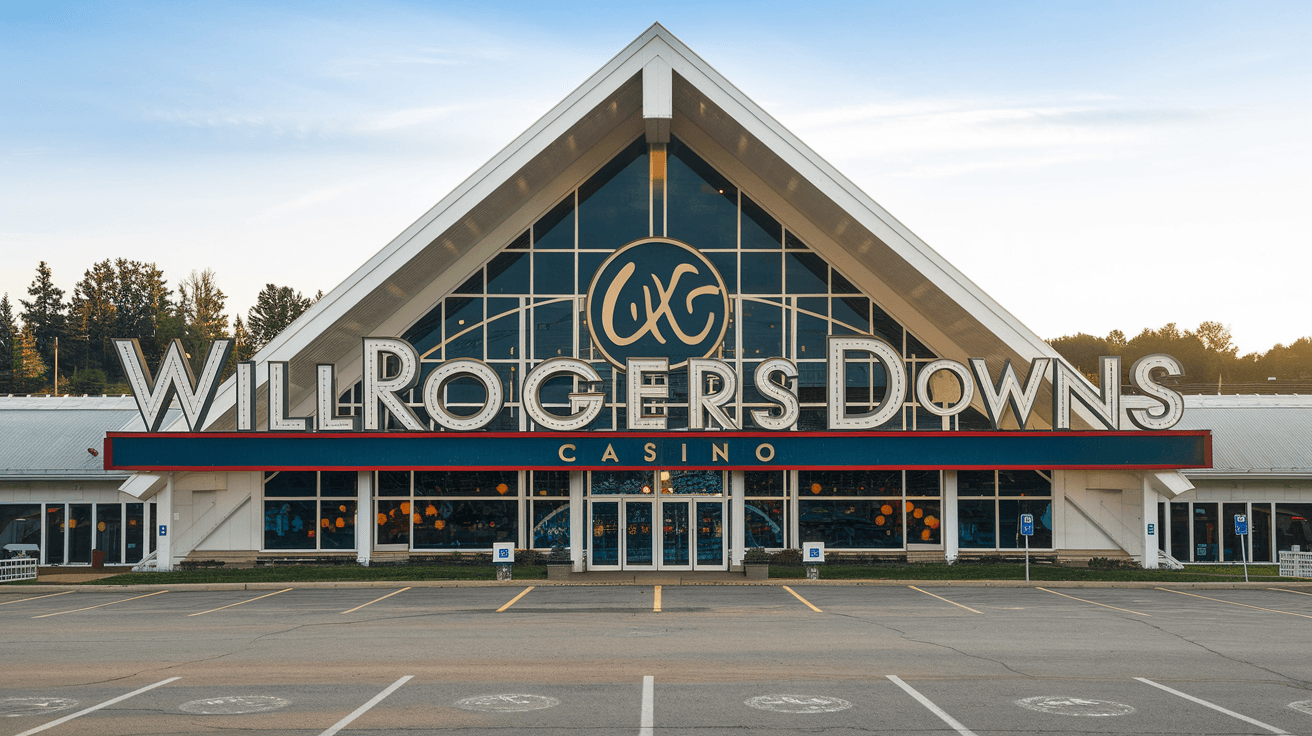

What Are Some Cons to Indian Casinos
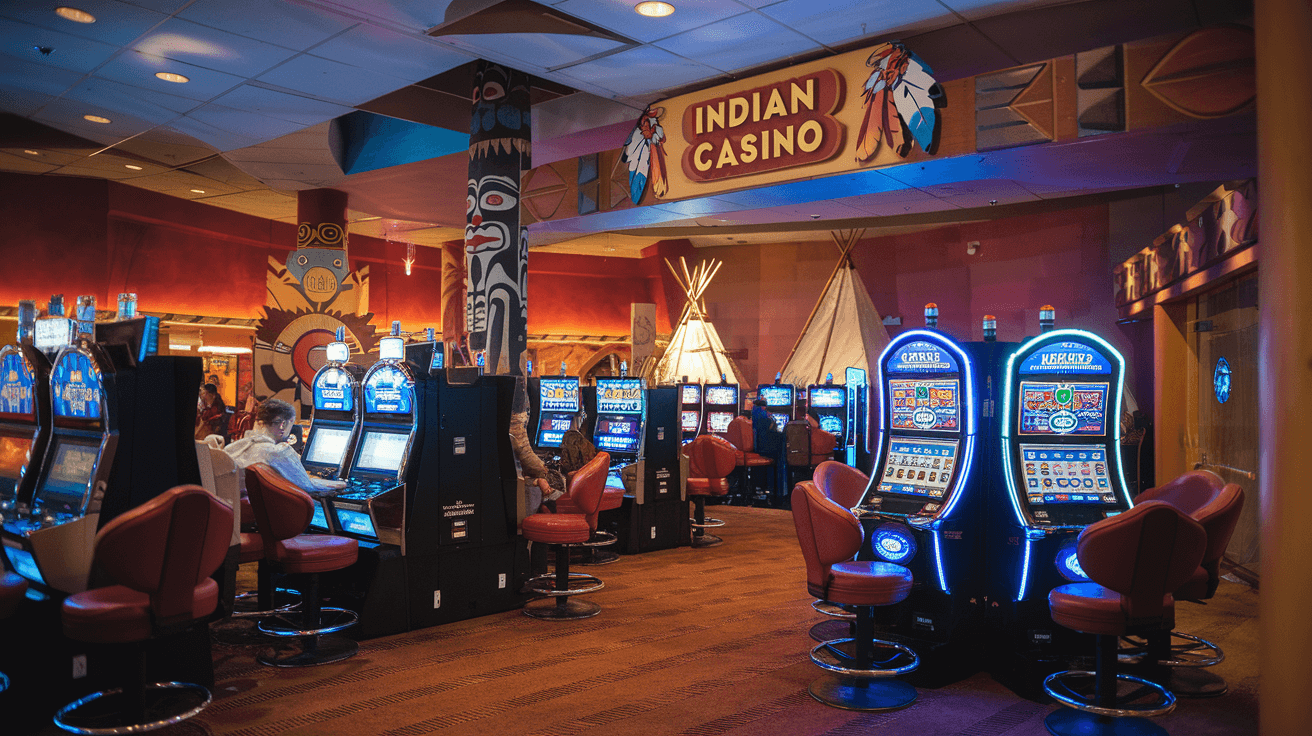
Indian casinos have become a significant part of the gaming industry in the United States. They offer entertainment, jobs, and revenue for many Native American tribes. But like any business, Indian casinos come with their own set of challenges. If you’re curious about the downsides, I’ll walk you through some of the main cons you should know.
You might think Indian casinos are all positive, but there are important issues to consider. From economic concerns to social impacts, understanding these drawbacks helps you see the full picture. Let’s dive into some of the key disadvantages of Indian casinos.
Economic Challenges of Indian Casinos
Indian casinos have boosted tribal economies, but they also face economic hurdles. One major issue is the uneven distribution of wealth. While some tribes benefit greatly, others struggle to generate enough revenue to support their communities.
- Limited Market Access: Many Indian casinos are located in remote areas, limiting customer access and reducing potential income.
- Competition: The rise of commercial casinos and online gambling platforms creates stiff competition, which can hurt tribal casino profits.
- Revenue Dependence: Some tribes rely heavily on casino income, which can be risky if gaming revenues decline due to economic downturns or regulatory changes.
These economic challenges mean that not all tribes experience the same level of success. Some casinos may not generate enough funds to improve living conditions or provide essential services.
Social Impacts on Native Communities
While Indian casinos provide jobs and funding for tribal programs, they also bring social concerns. Gambling addiction is a significant issue that affects both tribal members and surrounding communities.
- Increased Gambling Addiction: Easy access to casinos can lead to higher rates of problem gambling, which affects mental health and family stability.
- Crime Rates: Some studies suggest that areas near casinos may see a rise in crime, including theft and fraud, although this varies widely.
- Cultural Impact: The focus on gaming can sometimes overshadow traditional cultural values and practices within tribes.
These social impacts highlight the need for responsible gaming programs and community support to mitigate negative effects.
Regulatory and Legal Complications
Indian casinos operate under a unique legal framework that can create complications. The Indian Gaming Regulatory Act (IGRA) governs these casinos, but navigating the rules can be complex.
- Jurisdiction Issues: Tribal lands are sovereign, which means state and federal laws may not always apply, causing legal disputes.
- Negotiation Challenges: Tribes must negotiate compacts with states to operate casinos, and these agreements can be difficult and time-consuming.
- Regulatory Costs: Compliance with gaming regulations requires significant resources, which can strain smaller tribes.
These legal and regulatory challenges can slow down casino development and affect profitability.
Environmental Concerns
Building and operating casinos can have environmental impacts, especially on tribal lands that are often in natural or protected areas.
- Land Use: Casino construction may lead to deforestation, habitat loss, or changes in land use that affect local ecosystems.
- Resource Consumption: Casinos use large amounts of water and energy, which can strain local resources.
- Waste Management: Managing waste and pollution from casino operations is an ongoing challenge.
Tribes must balance economic development with environmental stewardship to protect their lands for future generations.
Impact on Surrounding Communities
Indian casinos don’t just affect tribal lands; they also influence nearby towns and cities. These impacts can be both positive and negative.
- Traffic and Infrastructure: Increased visitors can cause traffic congestion and put pressure on local infrastructure.
- Economic Spillover: While casinos create jobs, some local businesses may suffer if customers spend money primarily at the casino.
- Social Services Demand: Nearby communities may see increased demand for social services related to gambling addiction or crime.
Understanding these effects helps communities plan better and work with tribes to address concerns.
Challenges in Sustainable Growth
Sustaining long-term growth in Indian casinos is not guaranteed. Several factors can limit future expansion and profitability.
- Market Saturation: As more casinos open, the market can become saturated, reducing profits for all operators.
- Changing Consumer Preferences: Younger generations may prefer online gaming or other entertainment options, impacting casino attendance.
- Economic Fluctuations: Economic downturns reduce discretionary spending, which directly affects casino revenues.
Tribes need to innovate and diversify their offerings to stay competitive in a changing market.
Conclusion
Indian casinos have brought many benefits to Native American tribes, including economic development and job creation. However, it’s important to recognize the challenges they face. Economic risks, social impacts, legal complexities, environmental concerns, and effects on surrounding communities all play a role in shaping the casino landscape.
If you’re interested in Indian casinos, understanding these cons helps you see the full story. Like any business, they have strengths and weaknesses. By addressing these challenges thoughtfully, tribes can continue to build successful and sustainable gaming enterprises that benefit their people and neighbors.
FAQs
What are the main economic risks for Indian casinos?
Indian casinos often face risks like market saturation, competition from commercial casinos, and dependence on gaming revenue, which can fluctuate with economic changes.
How do Indian casinos affect local communities socially?
They can increase gambling addiction rates and sometimes crime, while also impacting local social services and infrastructure due to higher visitor numbers.
Why are legal issues complicated for Indian casinos?
Because tribal lands are sovereign, they operate under different laws, requiring complex negotiations with states and compliance with federal regulations.
What environmental problems can Indian casinos cause?
Casino construction and operations may lead to habitat loss, high resource consumption, and waste management challenges on tribal lands.
Can Indian casinos sustain long-term growth?
Sustaining growth is challenging due to market saturation, changing consumer habits, and economic downturns, requiring tribes to innovate and diversify.