
Is There a Casino in South Carolina?

Introduction
If you’re wondering, “Is there a casino in South Carolina?” you’re not alone. Many people want to know if they can enjoy casino gaming without leaving the state. South Carolina has a rich history and a unique stance on gambling, which shapes what kinds of gaming options are available to you.
In this article, I’ll walk you through the current situation regarding casinos in South Carolina. We’ll explore what types of gambling are legal, what options you have, and what the future might hold. By the end, you’ll have a clear picture of the casino scene in South Carolina.
The Current Casino Landscape in South Carolina
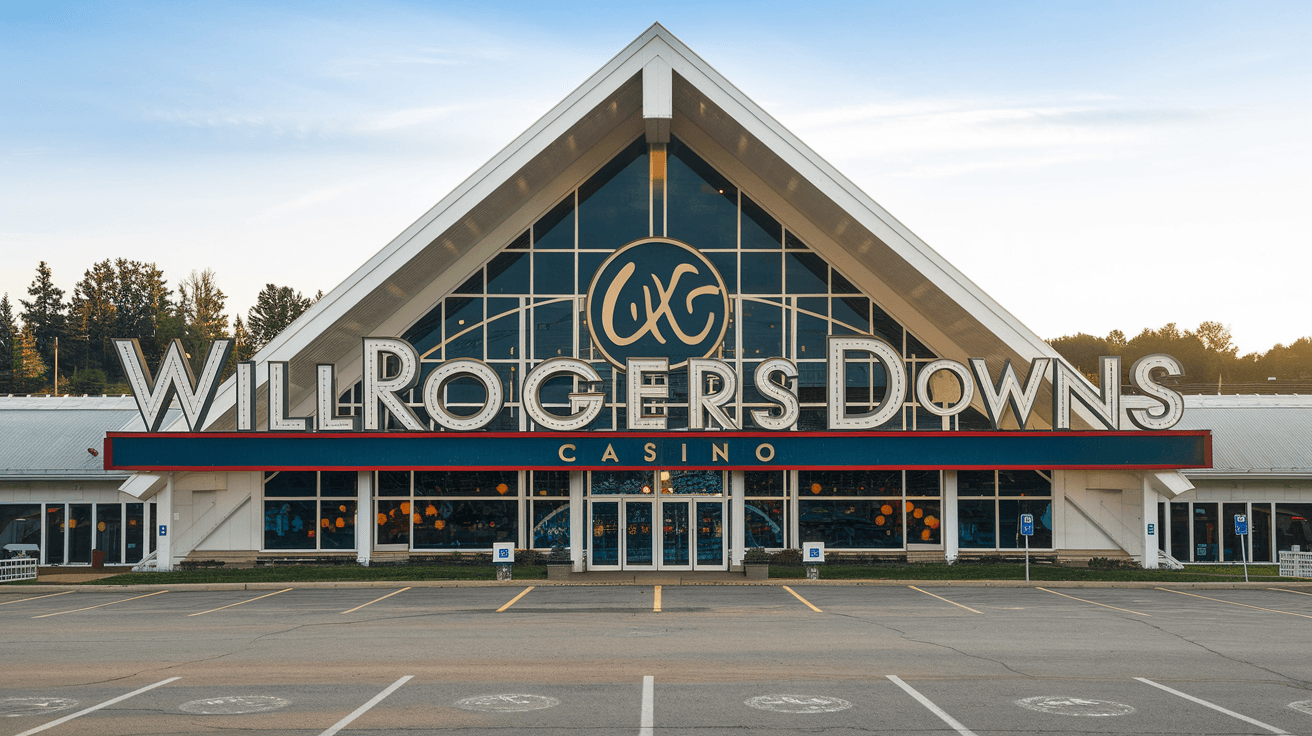
South Carolina does not have any traditional commercial casinos like those you might find in Las Vegas or Atlantic City. The state has strict laws that limit gambling activities, which means no large-scale casinos with slot machines and table games are legally operating here.
Why No Casinos?
- South Carolina’s laws prohibit most forms of casino gambling.
- The state constitution and statutes restrict gambling to specific types.
- Attempts to legalize casinos have faced political and public resistance.
This means if you’re looking for a full casino experience with poker, blackjack, and slots, you won’t find it in South Carolina.
Legal Gambling Options in South Carolina
While traditional casinos are not allowed, South Carolina does offer some legal gambling activities. These include:
- Charitable Bingo and Raffles: Nonprofits can hold bingo games and raffles under strict regulations.
- Horse and Dog Racing: South Carolina has a few horse racing tracks where you can bet on races.
- Lottery: The South Carolina Education Lottery offers various games like scratch-offs and draw games.
- Social Gambling: Private poker games among friends are generally tolerated if no one profits.
These options provide some gambling entertainment, but they are limited compared to full casinos.
Tribal Casinos and Native American Gaming
Unlike some states, South Carolina does not have federally recognized tribes operating casinos. Tribal gaming is a major source of casino gambling in many states, but South Carolina’s Native American tribes have not established casinos.
Why No Tribal Casinos?
- South Carolina tribes have limited federal recognition.
- The state has not entered into compacts allowing tribal casinos.
- Political and legal hurdles have prevented tribal casino development.
This means tribal casinos, which often bring large-scale gaming, are not part of South Carolina’s gambling landscape.
Cruise Ship Casinos: A Unique Alternative
One interesting option for casino-style gaming near South Carolina is cruise ship casinos. Several cruise lines operate from ports in Charleston and other nearby cities, offering onboard casinos once the ship is in international waters.
How Cruise Ship Casinos Work
- You board the ship at a South Carolina port.
- The ship sails beyond state waters.
- Once in international waters, the onboard casino opens.
- You can play slots, poker, blackjack, and other games.
This is a popular way for residents and visitors to enjoy casino gaming without leaving the state physically.
Nearby Casinos Outside South Carolina
If you want a traditional casino experience, you might consider traveling to nearby states. Here are some options within driving distance:
| State | Casino Options | Distance from SC (approx.) |
| North Carolina | Harrah’s Cherokee Casino Resort | 3-4 hours |
| Georgia | Several casinos near Atlanta | 3-5 hours |
| Florida | Numerous casinos including Seminole Hard Rock | 5-7 hours |
These destinations offer full casino gaming with slots, table games, and poker rooms.
The Future of Casinos in South Carolina
There have been ongoing discussions about legalizing casinos in South Carolina. Some lawmakers and business groups see casinos as a way to boost tourism and generate tax revenue.
Recent Developments
- Bills proposing casino legalization have been introduced but not passed.
- Public opinion remains divided on gambling expansion.
- The state is cautious due to social and economic concerns.
While nothing has changed yet, the future could bring new opportunities for casino gaming in South Carolina.
How to Enjoy Gambling Responsibly in South Carolina
If you decide to try gambling in South Carolina, it’s important to do so responsibly. Here are some tips:
- Set a budget before you start playing.
- Only gamble with money you can afford to lose.
- Take breaks and don’t chase losses.
- Use legal venues like the lottery or charitable bingo.
- Consider cruise ship casinos for a safe, regulated experience.
Responsible gambling helps you enjoy the activity without negative consequences.
Conclusion
So, is there a casino in South Carolina? The straightforward answer is no—there are no traditional commercial or tribal casinos operating in the state. However, you can still enjoy legal gambling through the lottery, charitable games, horse racing, and cruise ship casinos.
If you want a full casino experience, nearby states like North Carolina, Georgia, and Florida offer many options. The future may bring changes, but for now, South Carolina’s gambling scene is limited but still offers some fun ways to play.
FAQs
Is casino gambling legal in South Carolina?
No, traditional casino gambling is not legal in South Carolina. The state only allows limited forms of gambling like the lottery, charitable bingo, and horse racing.
Are there any tribal casinos in South Carolina?
No, South Carolina does not have any tribal casinos because its Native American tribes have limited federal recognition and no gaming compacts.
Can I gamble on a cruise ship from South Carolina?
Yes, you can board cruise ships from South Carolina ports that offer casino gaming once they reach international waters.
What is the closest casino to South Carolina?
The closest major casino is Harrah’s Cherokee Casino Resort in North Carolina, about 3-4 hours from many parts of South Carolina.
Is South Carolina considering legalizing casinos?
There have been proposals to legalize casinos, but no legislation has passed yet. The issue remains under debate among lawmakers and the public.