
How Much Cash Do Casinos Keep on Hand

When you walk into a casino, you might wonder how much cash they actually keep on hand. Casinos handle huge amounts of money daily, from chips to cash payouts. But the exact amount of cash they store isn’t just about having enough for players to cash out. It’s a carefully managed balance between security, regulations, and operational needs.
In this article, I’ll take you behind the scenes to explain how much cash casinos keep on hand, why they do it, and what factors influence these amounts. Whether you’re curious about casino operations or just want to understand the money flow better, this guide will give you clear insights.
Why Casinos Need to Keep Cash on Hand
Casinos operate with a lot of cash because most games involve real money bets and payouts. Even with digital payment options growing, cash remains king in many casinos worldwide.
Here’s why casinos keep cash on hand:
- Payouts to Winners: Players cash out chips for real money, so casinos must have enough cash to cover big wins.
- Daily Operations: Cash is needed for change, tips, and smaller transactions within the casino.
- Regulatory Compliance: Gaming commissions often require casinos to maintain a certain cash reserve.
- Security and Fraud Prevention: Having cash on hand helps casinos quickly verify and process transactions, reducing fraud risks.
Casinos balance having enough cash to meet player demands without holding excessive amounts that could increase theft risk or operational costs.
Typical Amounts of Cash Casinos Keep
The exact amount of cash a casino keeps on hand varies widely depending on its size, location, and the volume of business. Here’s a general idea based on industry insights:
- Small Casinos: May keep anywhere from $100,000 to $500,000 in cash reserves.
- Medium Casinos: Often hold between $1 million and $5 million.
- Large Casinos and Resorts: Can keep $10 million or more in cash on site.
For example, major casinos in Las Vegas or Macau, which handle thousands of players daily, often maintain tens of millions in cash reserves. This ensures they can cover large jackpot payouts and high-stakes games without delay.
How Casinos Manage Cash Flow
Managing cash flow is critical for casinos. They don’t just keep piles of cash lying around. Instead, they use strict procedures and technology to handle cash efficiently and securely.
Here’s how casinos manage their cash:
- Cash Vaults: Casinos have secure vaults where most cash is stored. These vaults have limited access and are monitored 24/7.
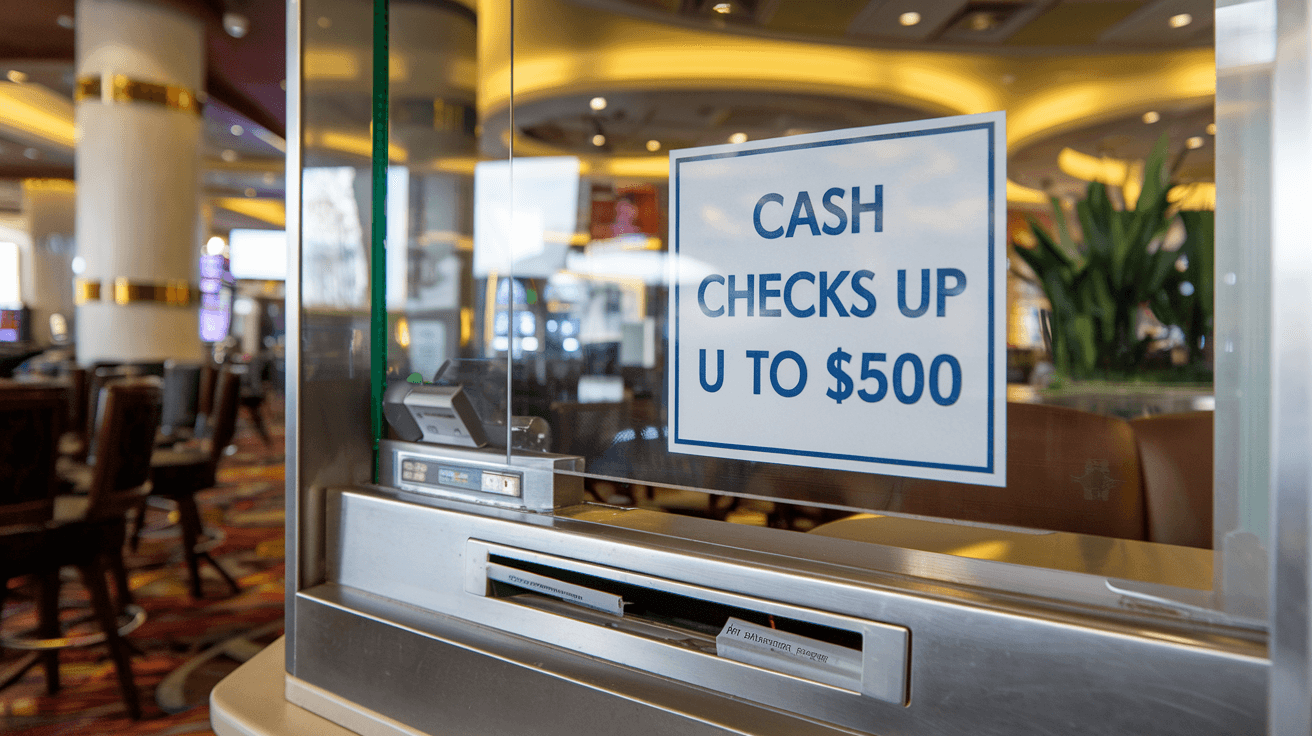
- Cashiers’ Cages: These are the points where players exchange chips for cash. Cashiers have limited cash on hand and replenish from the vault as needed.
- Cash Transport: Armored vehicles and security personnel move cash between the casino, banks, and vaults.
- Cash Counting Machines: Automated machines count and verify cash quickly to reduce errors and speed up transactions.
- Daily Audits: Casinos perform daily cash audits to ensure all money is accounted for and to detect discrepancies early.
This system helps casinos maintain liquidity while minimizing risks related to theft or loss.
Factors Influencing How Much Cash Casinos Keep
Several factors affect the amount of cash casinos keep on hand:
- Casino Size and Volume: Larger casinos with more visitors need more cash.
- Game Types: Casinos with high-stakes poker or slot machines with big jackpots require more cash reserves.
- Location: Casinos in tourist-heavy areas or regions with cash-preferred customers keep more cash.
- Regulatory Requirements: Different jurisdictions have rules about minimum cash reserves.
- Payment Methods: Casinos accepting more digital payments may hold less cash.
- Security Measures: Strong security systems can reduce the need for large cash reserves.
For example, a casino in a city with many high rollers will keep more cash than a smaller local casino with mostly low-stakes games.
How Casinos Handle Large Payouts
One of the biggest reasons casinos keep large amounts of cash is to cover big payouts. When a player hits a jackpot, the casino must pay out immediately.
Here’s how casinos prepare for large payouts:
- Jackpot Reserves: Casinos set aside funds specifically for jackpots.
- Insurance Policies: Some casinos insure against massive payouts to reduce financial risk.
- Advance Planning: Casinos monitor game activity and prepare cash reserves based on expected payouts.
- Multiple Payment Options: For very large wins, casinos may offer wire transfers or checks instead of cash.
For example, if a slot machine hits a multi-million-dollar jackpot, the casino will have cash ready or arrange a secure payment method quickly.
Security Measures for Cash Handling
Handling large amounts of cash requires strict security. Casinos invest heavily in security to protect their cash reserves.
Key security measures include:
- Surveillance Cameras: Casinos have extensive camera coverage to monitor cash areas.
- Access Controls: Only authorized personnel can access cash vaults and cages.
- Security Guards: Armed guards patrol cash handling areas.
- Cash Tracking Systems: Casinos use software to track cash movement in real time.
- Employee Screening: Staff handling cash undergo background checks and training.
These measures help prevent theft, fraud, and internal collusion, ensuring the casino’s cash remains safe.
Impact of Digital Payments on Casino Cash Reserves
Digital payments are becoming more common in casinos, affecting how much cash they keep on hand.
Here’s how digital payments influence cash reserves:
- Reduced Cash Handling: More players use credit cards, mobile wallets, or prepaid cards, lowering cash demand.
- Faster Transactions: Digital payments speed up betting and payouts.
- Lower Theft Risk: Less cash means fewer opportunities for theft.
- Regulatory Challenges: Casinos must comply with anti-money laundering rules for digital transactions.
Despite this, cash remains important because many players prefer it, and some games still require physical chips and cash exchanges.
How Casinos Prepare for Cash Shortages
Sometimes, casinos face cash shortages due to unexpected large payouts or high player demand. They have strategies to handle these situations:
- Emergency Cash Reserves: Extra cash is kept in secure locations for emergencies.
- Bank Partnerships: Casinos maintain relationships with banks for quick cash transfers.
- Cashless Options: Offering digital payouts or checks to reduce immediate cash needs.
- Adjusting Game Limits: Temporarily lowering betting limits to reduce cash outflow.
These steps help casinos maintain smooth operations even during peak demand.
Conclusion
Now you know that casinos keep millions of dollars in cash on hand, but the exact amount depends on many factors like size, location, and game types. They carefully manage cash flow with secure vaults, cashiers’ cages, and strict security to ensure they can pay winners promptly and operate smoothly.
While digital payments are changing the landscape, cash remains a vital part of casino operations. Understanding how casinos handle cash gives you a glimpse into the complex world behind the flashing lights and big wins. Next time you visit a casino, you’ll appreciate the careful planning that goes into managing all that money.
FAQs
How much cash do small casinos typically keep on hand?
Small casinos usually keep between $100,000 and $500,000 in cash reserves to cover daily operations and payouts.
Why do casinos need to keep so much cash available?
Casinos need cash to pay out winners immediately, provide change, and meet regulatory requirements.
Do casinos use digital payments to reduce cash on hand?
Yes, digital payments are growing, but cash is still widely used for many games and transactions.
How do casinos secure their cash reserves?
Casinos use vaults, surveillance, security guards, and strict access controls to protect cash.
What happens if a casino runs low on cash?
They rely on emergency reserves, bank partnerships, and sometimes offer digital payouts to manage shortages.