
How Many Casinos Failed in Atlantic City
Atlantic City has long been known as a gambling hotspot on the East Coast. If you’ve ever wondered how many casinos failed in Atlantic City, you’re not alone. The city’s casino industry has seen many ups and downs over the years. Some casinos thrived, while others shut down due to financial troubles, competition, or changing market conditions.
In this article, I’ll walk you through the history of casino failures in Atlantic City. We’ll explore why so many casinos closed, how many actually failed, and what that means for the city’s future. Whether you’re a gambler, a local, or just curious, this guide will give you a clear picture of Atlantic City’s casino landscape.
The Rise and Fall of Atlantic City Casinos
Atlantic City’s casino industry began in the late 1970s when New Jersey legalized gambling to boost tourism and the local economy. The first casino opened in 1978, and soon after, many others followed. At its peak, Atlantic City had 12 casinos operating.
However, the city’s casino boom didn’t last forever. Over the decades, several casinos failed or closed for various reasons. These failures were influenced by:
- Increased competition from other states like Pennsylvania and New York
- Economic recessions affecting tourism and spending
- Poor management and financial struggles within some casinos
- Changing consumer preferences and entertainment options
Understanding these factors helps explain why so many casinos in Atlantic City didn’t survive.
How Many Casinos Failed in Atlantic City?
Out of the 12 casinos that once operated in Atlantic City, eight have permanently closed. This means that two-thirds of the original casinos failed or shut down. Here’s a quick list of the casinos that closed:
- Trump Plaza (closed in 2014)
- Showboat Atlantic City (closed in 2014)
- Revel (opened in 2012, closed in 2014)
- Atlantic Club (closed in 2014)
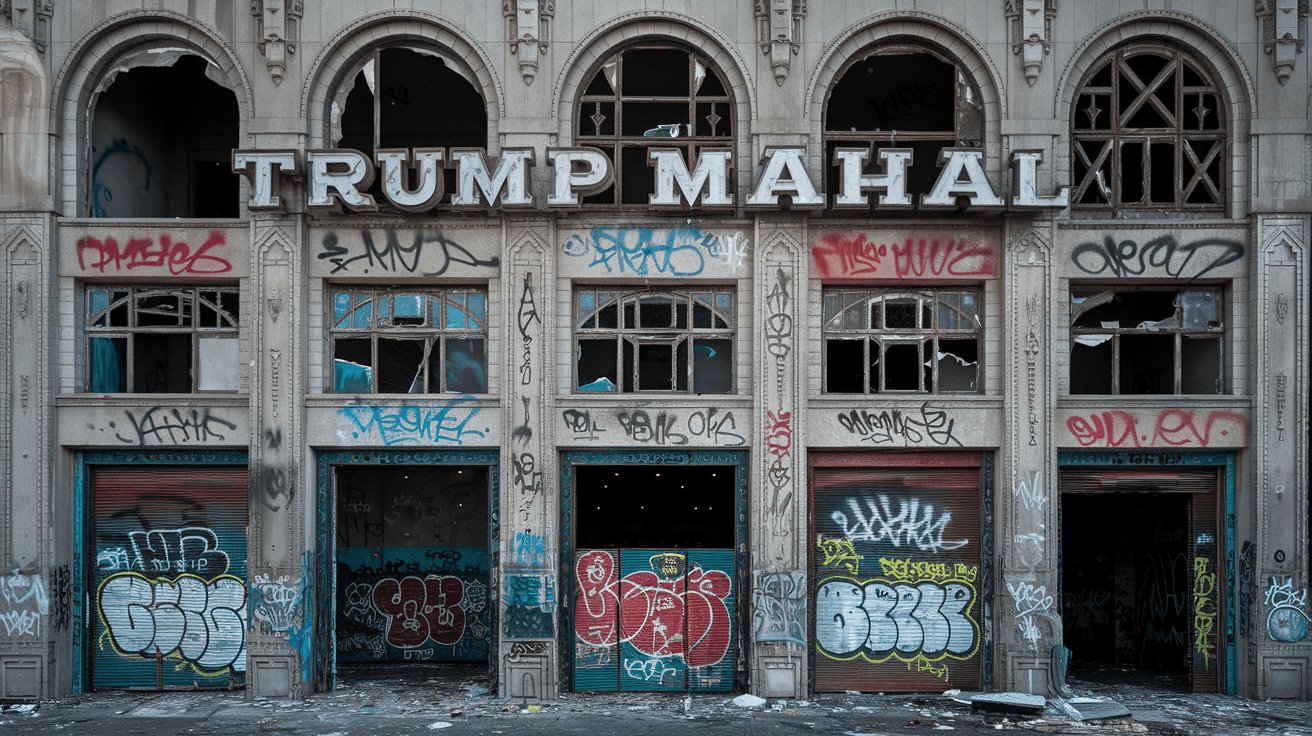
- Trump Taj Mahal (closed in 2016)
- Sands Atlantic City (closed in 2006)
- The Chelsea (closed in 2016)
- Bally’s Wild Wild West Casino (closed in 2020)
These closures reflect the challenges Atlantic City faced in maintaining its casino industry.
Why Did So Many Casinos Fail?
Several key reasons explain why many casinos in Atlantic City failed:
1. Competition from Neighboring States
As more states legalized gambling, Atlantic City lost its monopoly on East Coast casino gaming. States like Pennsylvania, New York, and Maryland opened casinos closer to major population centers. This made it easier for gamblers to visit casinos without traveling to Atlantic City.
2. Economic Downturns
The 2008 financial crisis hit Atlantic City hard. Tourism dropped, and many casinos struggled to stay profitable. Some casinos never recovered from the recession’s impact.
3. Poor Management and Ownership Changes
Several casinos suffered from mismanagement or ownership issues. For example, the Trump Taj Mahal faced bankruptcy multiple times before closing. Frequent changes in ownership often led to instability.
4. Shifts in Consumer Preferences
Today’s gamblers want more than just slot machines and table games. They seek entertainment, dining, and luxury experiences. Casinos that failed to modernize or diversify their offerings lost customers.
5. High Operating Costs and Taxes
Atlantic City’s casinos face high taxes and operating expenses. These costs make it harder to maintain profitability, especially when revenue declines.
The Impact of Casino Failures on Atlantic City
The closure of so many casinos had a big impact on Atlantic City’s economy and community:
- Job Losses: Thousands of casino workers lost their jobs when casinos closed.
- Reduced Tourism: Fewer casinos meant fewer visitors, hurting hotels, restaurants, and shops.
- Declining Property Values: Vacant casino buildings lowered property values in some areas.
- City Revenue Drops: The city collected less tax revenue from casinos, affecting public services.
Despite these challenges, Atlantic City has been working to reinvent itself and attract new visitors.
What’s Left? The Current Casino Landscape
As of now, Atlantic City has nine casinos operating, down from the peak of 12. The surviving casinos include:
- Borgata Hotel Casino & Spa
- Hard Rock Hotel & Casino
- Ocean Casino Resort
- Caesars Atlantic City
- Tropicana Atlantic City
- Golden Nugget Atlantic City
- Resorts Casino Hotel
- Bally’s Atlantic City (reopened after renovations)
- Hard Rock’s new expansion properties
These casinos have adapted by offering more entertainment, dining, and non-gaming attractions. They are also investing in renovations and marketing to compete with other gambling destinations.
Efforts to Revitalize Atlantic City’s Casino Industry
Atlantic City is not giving up on its casino industry. Several initiatives aim to boost the city’s appeal:
- New Investments: Casino operators are investing millions in upgrades and new attractions.
- Diversification: Casinos are adding concerts, nightlife, and family-friendly options.
- Sports Betting: Legalized sports betting has brought new revenue streams.
- Online Gambling: New Jersey’s online casino market helps casinos reach more customers.
- Events and Conventions: The city is attracting conferences and events to fill hotel rooms.
These efforts show promise in stabilizing Atlantic City’s casino market.
Lessons Learned from Atlantic City’s Casino Failures
Atlantic City’s experience offers valuable lessons for other gambling markets:
- Diversify Revenue: Relying solely on gambling revenue is risky.
- Adapt to Trends: Casinos must evolve with changing customer preferences.
- Manage Finances Carefully: Strong management is critical to avoid bankruptcy.
- Compete Smartly: Understanding regional competition helps casinos stay relevant.
- Invest in Experience: Entertainment and amenities attract more visitors.
These lessons help explain why some casinos failed while others survived.
Conclusion
Atlantic City’s casino industry has seen many ups and downs. Out of 12 original casinos, eight have failed or closed due to competition, economic challenges, and management issues. These closures had a big impact on the city’s economy and workforce.
However, Atlantic City is working hard to revive its casino market. With nine casinos still operating and new investments underway, the city aims to remain a top gambling destination. By learning from past failures and adapting to new trends, Atlantic City’s casinos hope to thrive again.
FAQs
How many casinos originally opened in Atlantic City?
Twelve casinos originally opened in Atlantic City after gambling was legalized in the late 1970s.
Why did so many Atlantic City casinos close?
Many closed due to increased competition, economic downturns, poor management, and changing consumer preferences.
Are there still casinos operating in Atlantic City?
Yes, currently nine casinos operate in Atlantic City, offering gaming and entertainment options.
What impact did casino closures have on Atlantic City?
Closures led to job losses, reduced tourism, lower property values, and decreased city revenue.
Is Atlantic City’s casino industry recovering?
Yes, with new investments, sports betting, and online gambling, Atlantic City’s casino industry is showing signs of recovery.