
Do Tribal Casinos Pay Taxes?
Introduction
If you’re curious about whether tribal casinos pay taxes, you’re not alone. Many people wonder how these casinos operate financially and what role taxes play in their business model. Tribal casinos are unique because they are run by Native American tribes on sovereign land, which changes how taxes apply to them.
In this article, I’ll explain how tribal casinos handle taxes, the agreements they have with states, and what this means for local communities. You’ll get a clear picture of the tax rules and the benefits tribal casinos bring beyond just gaming.
What Are Tribal Casinos?
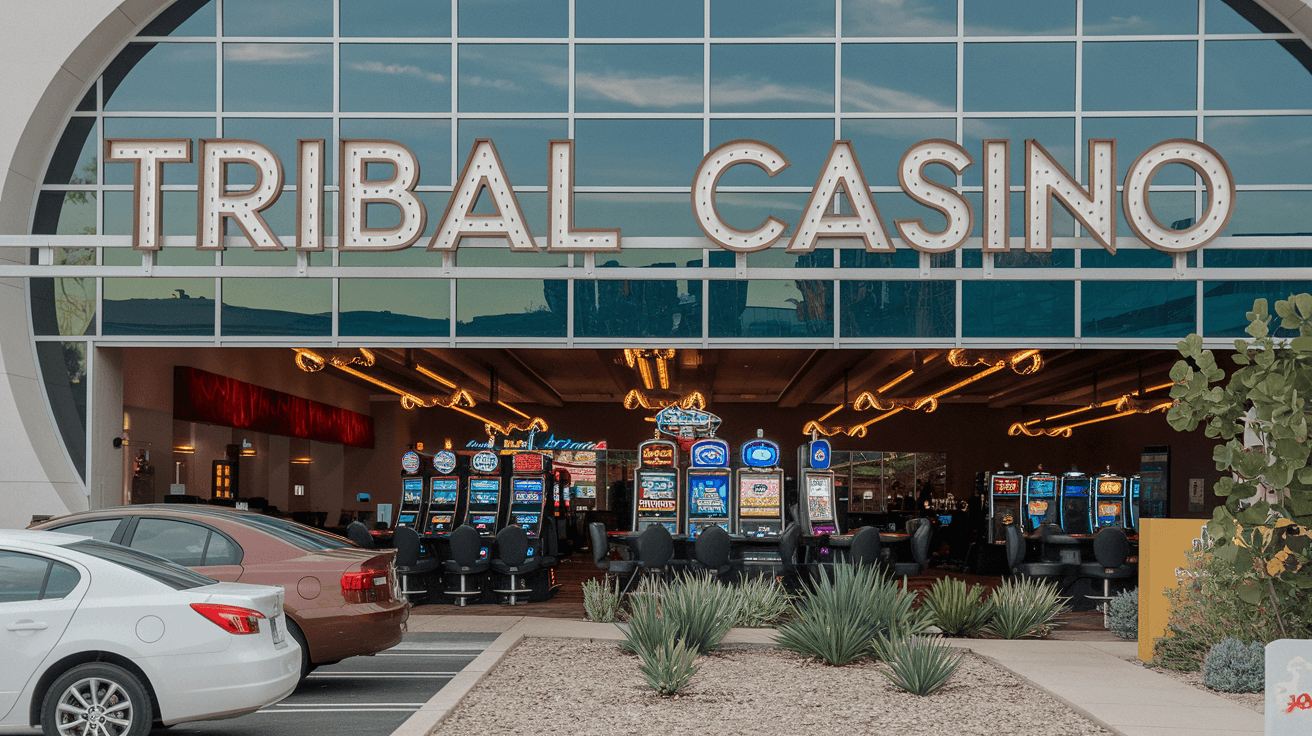
Tribal casinos are gambling establishments owned and operated by Native American tribes. These casinos are located on tribal lands, which are considered sovereign nations. This sovereignty means tribes have certain rights to govern themselves, including how they run businesses like casinos.
- Tribal casinos were established after the Indian Gaming Regulatory Act (IGRA) of 1988.
- The act allows tribes to operate casinos on their lands under specific federal rules.
- These casinos generate revenue to support tribal government services, healthcare, education, and economic development.
Understanding this background helps explain why tribal casinos have a different tax status than commercial casinos.
Do Tribal Casinos Pay Federal Taxes?
One common question is whether tribal casinos pay federal taxes like other businesses. The answer is generally no. Tribal casinos are owned by sovereign tribal governments, which are exempt from federal income taxes.
- Tribal governments do not pay federal income tax on revenue generated from tribal enterprises.
- This exemption is based on the principle of tribal sovereignty recognized by the U.S. government.
- However, individual employees working at tribal casinos do pay federal income taxes on their wages.
This tax exemption allows tribes to reinvest more money into their communities and tribal programs.
State Taxes and Tribal Casinos
While tribal casinos don’t pay federal income taxes, the question of state taxes is more complex. Because tribes operate on sovereign land, states cannot impose taxes on tribal casinos without agreements.
- States and tribes negotiate compacts that outline how casinos operate and share revenue.
- Many compacts include provisions for tribes to pay a portion of casino revenue to the state.
- These payments are not technically taxes but are often called “revenue sharing” agreements.
For example, a tribe might agree to pay the state a percentage of its casino profits in exchange for exclusive gaming rights in that state.
Revenue Sharing Agreements Explained
Revenue sharing agreements are a key part of how tribal casinos contribute financially to state governments. These agreements vary widely depending on the tribe and state involved.
- Payments can range from a small percentage to a significant share of casino revenue.
- The funds often support state programs like education, infrastructure, and public safety.
- Revenue sharing helps states benefit from tribal gaming without violating tribal sovereignty.
These agreements are negotiated carefully to balance tribal independence with state interests.
Do Tribal Casinos Pay Local Taxes?
Local taxes on tribal casinos are also limited due to tribal sovereignty. Generally, tribes are exempt from local property taxes on tribal lands, including casino properties.
- Some tribes voluntarily make payments to local governments to support services like police and fire departments.
- These payments are called “payments in lieu of taxes” (PILOT).
- PILOT agreements help maintain good relationships between tribes and local communities.
So, while tribal casinos don’t pay traditional local taxes, they often contribute financially to local needs in other ways.
How Do Tribal Casinos Benefit Their Communities?
Even though tribal casinos don’t pay many traditional taxes, they provide significant benefits to their communities and beyond.
- Casinos create jobs for tribal members and local residents.
- Revenue funds tribal government services such as healthcare, education, and housing.
- Many tribes invest in community infrastructure and cultural preservation.
- Tribal casinos attract tourism, boosting local economies.
These benefits often outweigh the lack of direct tax payments, making tribal casinos vital economic engines.
Common Misconceptions About Tribal Casino Taxes
There are several myths about tribal casinos and taxes that can cause confusion.
Myth: Tribal casinos pay no money to states or local governments.
Fact: Many tribes have revenue sharing and PILOT agreements that provide funds to states and localities.Myth: Tribal casinos don’t pay any taxes because they are “tax-free.”
Fact: While exempt from some taxes, tribal casinos contribute through agreements and employee taxes.Myth: Tribal casinos only benefit the tribes.
Fact: Tribal casinos create jobs and economic growth for surrounding communities as well.
Understanding these facts helps clarify the real tax situation for tribal casinos.
How Are Tribal Casino Taxes Different from Commercial Casinos?
Commercial casinos, owned by private companies, pay federal, state, and local taxes like any other business. Tribal casinos operate differently due to sovereignty.
| Aspect | Tribal Casinos | Commercial Casinos |
| Federal Income Tax | Exempt | Pay taxes |
| State Taxes | Revenue sharing agreements | Pay state taxes |
| Local Property Taxes | Generally exempt, may pay PILOT | Pay local property taxes |
| Regulation | Tribal and federal (IGRA) | State and federal |
This table shows why tribal casinos have a unique tax status compared to commercial casinos.
What Happens If a Tribe Doesn’t Have a Compact?
Without a gaming compact, tribes cannot legally operate casinos offering Class III gaming (like slot machines and table games). This limits their ability to generate revenue.
- States and tribes must negotiate compacts to allow full casino operations.
- Some tribes operate smaller Class II gaming (bingo and similar games) without compacts.
- Lack of a compact means no revenue sharing agreements with the state.
Therefore, compacts are essential for tribes to run successful casinos and contribute financially to states.
The Future of Tribal Casino Taxation
The relationship between tribal casinos and tax payments continues to evolve. Some trends to watch include:
- More states negotiating updated compacts with tribes.
- Increased transparency in revenue sharing and tribal contributions.
- Potential new federal policies affecting tribal gaming and taxation.
- Growing recognition of tribal sovereignty balanced with state interests.
These developments will shape how tribal casinos contribute financially in the coming years.
Conclusion
So, do tribal casinos pay taxes? The answer is yes and no. Tribal casinos are exempt from many traditional taxes due to tribal sovereignty and federal law. However, through revenue sharing agreements and payments in lieu of taxes, they do contribute financially to states and local communities.
Beyond taxes, tribal casinos provide vital economic benefits by creating jobs, funding tribal programs, and supporting local economies. Understanding this unique tax situation helps you see the important role tribal casinos play in both tribal and state financial landscapes.
FAQs
Do tribal casinos pay federal income tax?
No, tribal casinos are owned by sovereign tribes and are exempt from federal income tax. However, employees at these casinos do pay federal income taxes on their wages.
What is a revenue sharing agreement?
It’s an agreement between a tribe and a state where the tribe pays a portion of casino revenue to the state. This helps states benefit financially without taxing tribal sovereignty.
Are tribal casinos exempt from local property taxes?
Yes, tribal lands and casinos are generally exempt from local property taxes. Some tribes make voluntary payments called PILOT to support local services.
Can tribes operate casinos without state compacts?
Tribes can operate limited Class II gaming without compacts, but full casino operations require negotiated compacts with states.
How do tribal casinos benefit local communities?
They create jobs, fund tribal services like healthcare and education, and boost local economies through tourism and infrastructure investments.