
Do Casinos Have to Be on Water?
Introduction
You might have heard that casinos need to be on water, like riverboats or floating barges. This idea comes from old laws and traditions, but is it still true today? If you’re curious about why some casinos are on boats and whether all casinos must be on water, you’re in the right place.
We’ll explore the history behind water-based casinos, how laws have changed, and what the current rules say. By the end, you’ll understand why some casinos float and why many others don’t. Let’s dive into the world of casinos and water.
Why Were Casinos Originally Required to Be on Water?
In the past, many states in the U.S. only allowed gambling on water. This was a way to control and limit gambling activities. Here’s why:
- Historical Context: Riverboat gambling started in the 19th century along the Mississippi River. Gambling was popular on paddlewheel boats traveling between towns.
- Legal Restrictions: Many states banned land-based casinos but allowed gambling on boats traveling on rivers or lakes.
- Control and Regulation: By limiting casinos to water, states could better regulate gambling and reduce its spread on land.
- Cultural Tradition: Riverboat casinos became a symbol of entertainment and gambling in certain regions.
This history explains why you see casinos on boats or barges in places like Missouri, Iowa, and Louisiana.
How Do Modern Laws Affect Casino Locations?
Today, laws about casino locations vary widely by state and country. Many places have relaxed rules about water-based casinos, but some still keep the tradition. Here’s what you need to know:
- States That Require Water Casinos: Some states, like Iowa and Mississippi, still require casinos to be on water, but the definition of “water” has expanded.
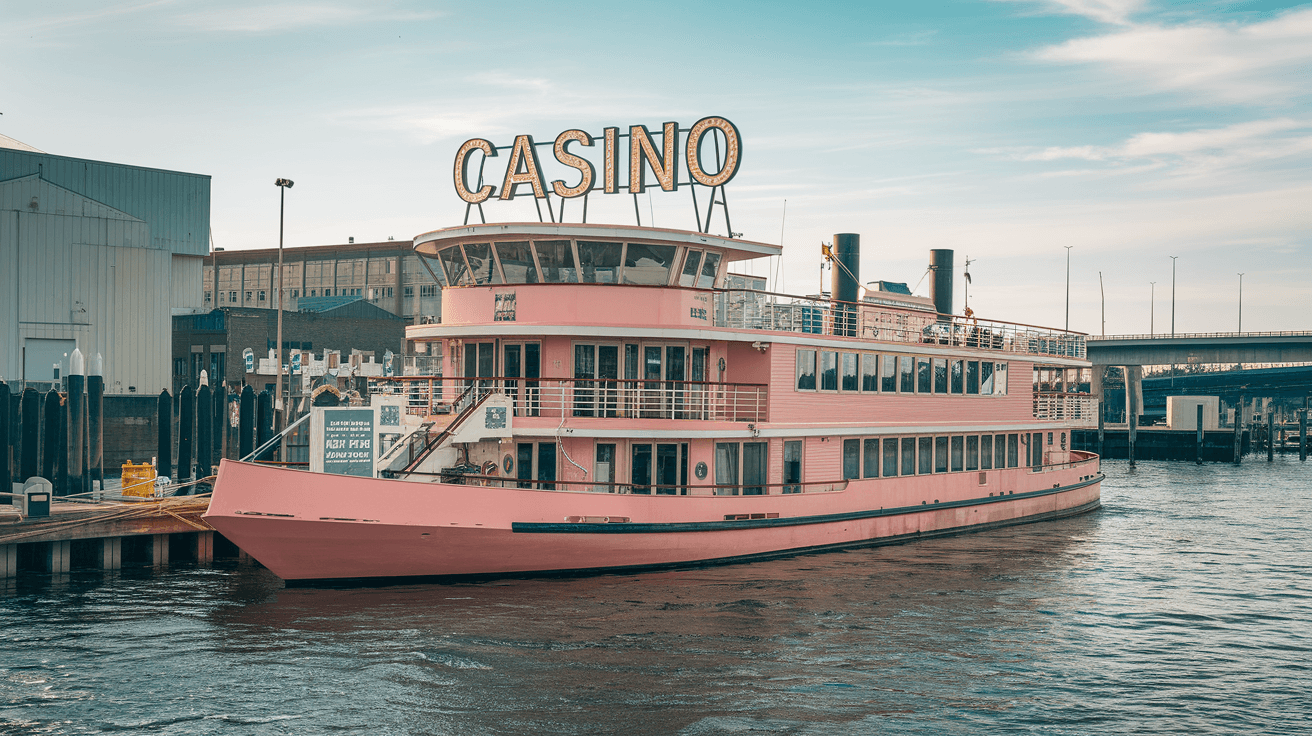
- Floating Casinos: In some areas, casinos are built on floating barges or boats that are permanently docked. These meet legal requirements but look and feel like land casinos.
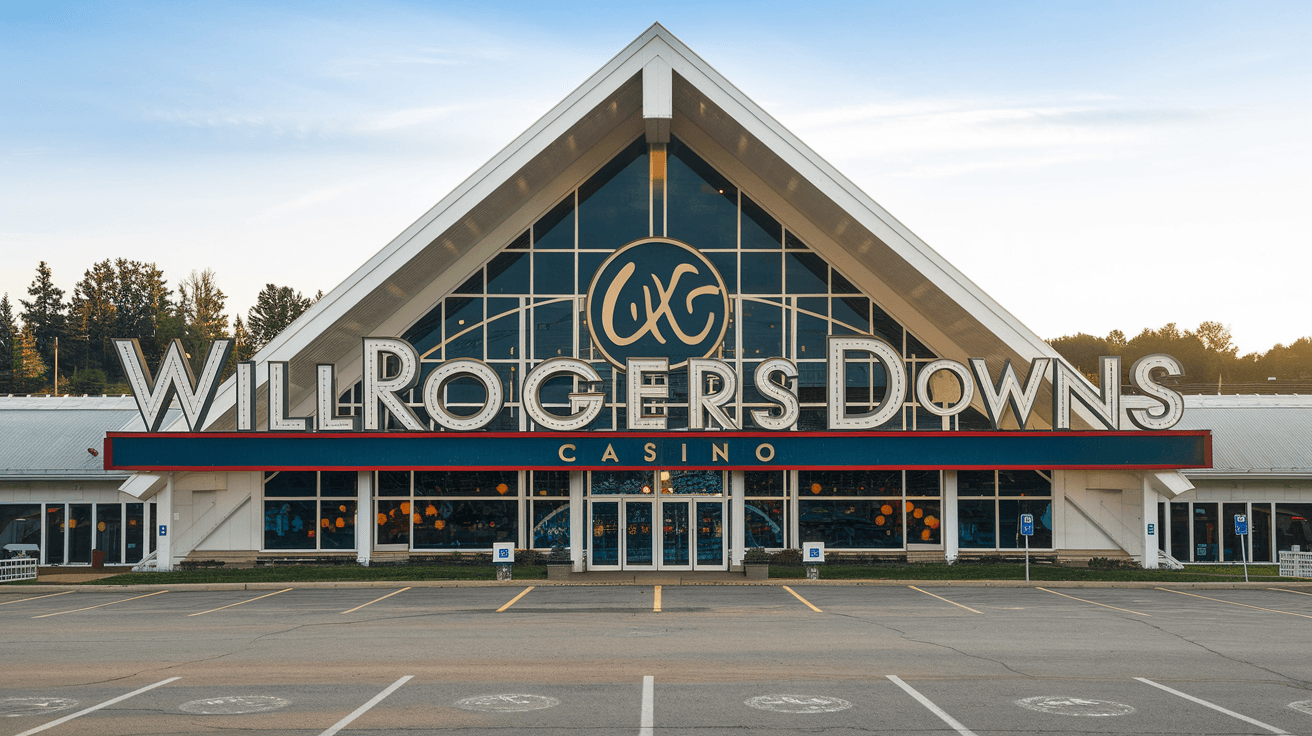
- Land-Based Casinos: Many states now allow casinos on land, especially where gambling is fully legalized and regulated.
- Hybrid Models: Some casinos combine land and water elements to meet legal rules while offering modern amenities.
The laws are shaped by local politics, culture, and economic goals. For example, riverboat casinos helped boost tourism in river cities.
Examples of Casinos on Water Today
Let’s look at some real-world examples of casinos that are on water and how they operate:
- Mississippi Riverboat Casinos: Many casinos in Mississippi and Louisiana operate on barges floating on the river. They are permanently moored but technically on water.
- Iowa Riverboat Casinos: Iowa requires casinos to be on water, so many are on floating platforms or boats docked along rivers.
- Nevada and Atlantic City: These places mostly have land-based casinos, showing that water is not always required.
- Native American Casinos: Many tribal casinos are on land and operate under different rules, showing more flexibility.
These examples show how casino laws vary and how water-based casinos have evolved.
Why Do Some Casinos Still Choose to Be on Water?
Even when not required, some casinos stay on water for several reasons:
- Legal Compliance: In states with water requirements, casinos must comply to operate legally.
- Marketing and Theme: Riverboat casinos offer a unique experience and attract tourists looking for something different.
- Historical Value: Some casinos keep the tradition alive to honor local history and culture.
- Economic Incentives: Water-based casinos can benefit from tax breaks or special regulations.
Choosing to be on water can be both a legal necessity and a business strategy.
How Have Casino Designs Changed With Water Requirements?
Casinos on water have adapted their designs to meet modern needs while following the law:
- Permanent Barges: Many casinos are built on large, stable barges that don’t move but float on water.
- Connected to Land: These barges are often connected to the shore by walkways, making access easy.
- Modern Amenities: Despite being on water, these casinos offer hotels, restaurants, and entertainment just like land-based casinos.
- Safety and Stability: Advances in engineering ensure these floating casinos are safe and comfortable.
This blend of tradition and modern design helps casinos stay competitive.
What About Online Casinos and Water Requirements?
With the rise of online gambling, physical location rules are less important for some players. Here’s how water requirements relate to online casinos:
- No Physical Location Needed: Online casinos operate on servers and don’t need to be on water or land.
- Licensing Still Matters: Online casinos must be licensed by governments, but location rules differ.
- Impact on Physical Casinos: Online gambling has changed the market, but many players still enjoy the experience of physical casinos, whether on water or land.
Online gambling offers a new way to play without worrying about casino location.
Summary Table: Water Casino Requirements by State
| State | Water Casino Requirement | Notes |
| Iowa | Yes | Casinos must be on rivers or lakes |
| Mississippi | Yes | Riverboat or barge casinos on water |
| Louisiana | Yes | Riverboat casinos on Mississippi River |
| Nevada | No | Land-based casinos allowed |
| New Jersey | No | Land-based casinos in Atlantic City |
| Illinois | No | Land-based casinos allowed |
This table highlights how casino water requirements vary across states.
Conclusion
So, do casinos have to be on water? The answer depends on where you are. Historically, many states required casinos to be on water to control gambling. Today, some still do, especially in river states like Iowa and Mississippi. However, many places allow land-based casinos, and online gambling has changed the game entirely.
If you visit a riverboat casino, you’re seeing a tradition that blends history, law, and entertainment. But don’t worry—most casinos today don’t need to float to offer you a great experience. Whether on water or land, casinos continue to evolve with the times.
FAQs
Do all casinos have to be on water?
No, not all casinos have to be on water. Some states require it, but many allow land-based casinos. It depends on local laws and regulations.
Why were casinos originally required to be on water?
Casinos were required to be on water to control gambling and limit its spread on land. Riverboat gambling was a popular historical tradition.
Are riverboat casinos still popular today?
Yes, riverboat casinos remain popular in some states. They offer a unique experience and comply with local laws requiring casinos to be on water.
Can casinos be built on land now?
Yes, many states allow land-based casinos. Laws have changed to permit casinos on land, especially where gambling is fully legalized.
How does online gambling affect casino location rules?
Online gambling doesn’t require a physical location, so water requirements don’t apply. However, online casinos must still follow licensing rules.