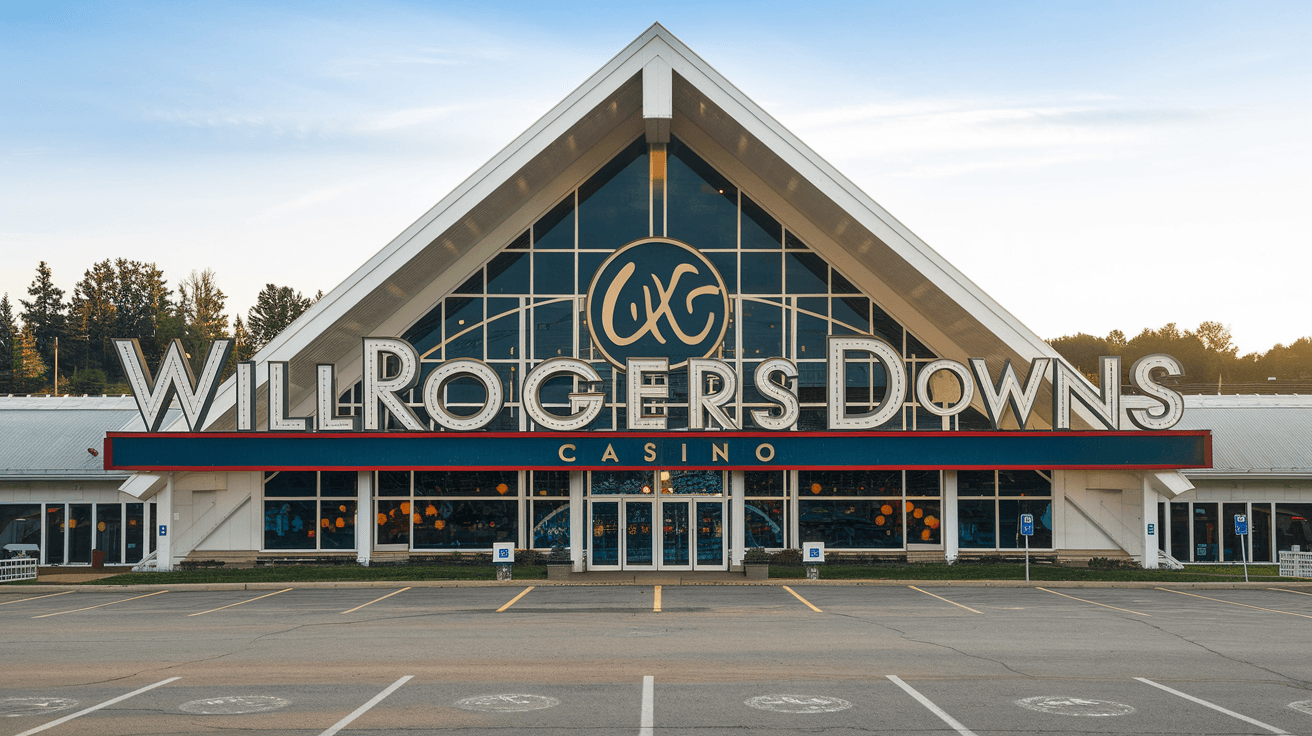

Do Casinos Have to Be on Tribal Land
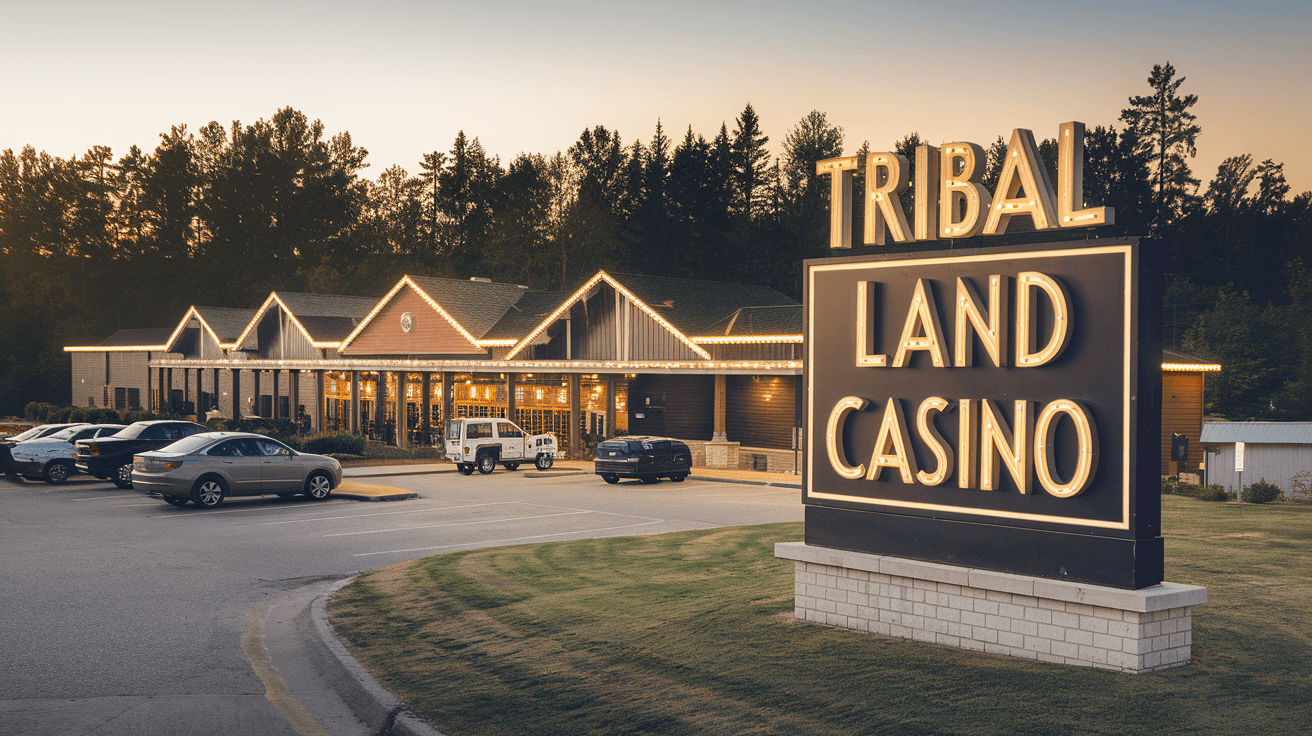
Introduction
If you’ve ever wondered whether casinos have to be on tribal land, you’re not alone. Many people are curious about the rules that govern where casinos can operate, especially when it comes to Native American tribes. The connection between casinos and tribal lands is a unique part of U.S. law and history.
In this article, I’ll explain how tribal casinos work, why many are located on tribal land, and what laws shape this situation. You’ll get a clear picture of the relationship between casinos and tribal sovereignty, plus examples to help you understand the bigger picture.
What Is Tribal Land?
Tribal land refers to areas recognized by the U.S. government as belonging to Native American tribes. These lands are often called reservations or trust lands. The tribes have a special legal status that allows them to govern themselves in many ways.
- Tribal lands are held in trust by the federal government for the benefit of the tribe.
- Tribes have sovereignty, meaning they can make and enforce their own laws on these lands.
- This sovereignty is key to how tribal casinos operate.
Understanding tribal land is important because it sets the stage for why casinos are often located there.
Why Are Many Casinos on Tribal Land?
The main reason many casinos are on tribal land is because of tribal sovereignty and federal laws that allow tribes to operate gaming facilities. The Indian Gaming Regulatory Act (IGRA) of 1988 is the key law here.
- IGRA allows federally recognized tribes to run casinos on their lands.
- The law was designed to help tribes generate revenue and promote economic development.
- Tribal casinos are often the largest employers and economic drivers in their regions.
Because tribes have the right to govern themselves on their lands, they can offer gaming options that might be restricted or banned in nearby states.
The Indian Gaming Regulatory Act (IGRA)
The Indian Gaming Regulatory Act is the foundation of tribal gaming in the U.S. It sets the rules for how tribes can operate casinos and what types of games they can offer.
Key points about IGRA:
- It divides gaming into three classes: Class I (traditional tribal games), Class II (bingo and similar games), and Class III (casino-style games like slots and blackjack).
- Tribes can operate Class I and II games without state approval.
- For Class III games, tribes must negotiate a compact with the state government.
- The act aims to balance tribal sovereignty with state interests.
IGRA has helped many tribes build successful casinos, but it also means casinos must be on tribal land or lands held in trust.
Can Casinos Be Off Tribal Land?
Generally, tribal casinos must be on tribal land or land held in trust by the federal government for the tribe. However, there are some exceptions and special cases.
- New lands can sometimes be taken into trust for tribes, allowing casinos to be built there.
- Off-reservation casinos require approval from the Department of the Interior and the state.
- These approvals are rare and often face legal challenges.
In most cases, tribal casinos are located on reservations or trust lands because that’s where tribes have the legal authority to operate gaming.
Non-Tribal Casinos and Their Locations
Not all casinos are tribal casinos. Many commercial casinos operate outside tribal lands, especially in states where gambling is legal.
- Commercial casinos are regulated by state laws, not federal tribal laws.
- These casinos can be found in cities like Las Vegas, Atlantic City, and others.
- They do not have the same sovereignty protections as tribal casinos.
This distinction is important because it explains why tribal casinos are tied to tribal lands, while commercial casinos can be anywhere gambling is legal.
Economic Impact of Tribal Casinos on Tribal Lands
Tribal casinos have transformed many Native American communities by providing jobs and funding for social programs.
- Casinos create employment opportunities for tribal members and local residents.
- Revenue from casinos supports education, healthcare, and infrastructure on reservations.
- Some tribes have used casino profits to reduce poverty and improve living standards.
This economic boost is a major reason tribes want to operate casinos on their lands.
Legal Challenges and Controversies
The relationship between tribal casinos and land is not without controversy. Legal battles often arise over land status and gaming rights.
- Some states challenge off-reservation casinos, arguing they violate state laws.
- Disputes over land trust status can delay or block casino projects.
- Critics argue that casinos can bring social problems like gambling addiction.
Despite these challenges, tribal casinos remain a vital part of many tribal economies.
How Tribal Casinos Differ from Commercial Casinos
Tribal casinos operate under different rules than commercial casinos. Here’s how they differ:
| Feature | Tribal Casinos | Commercial Casinos |
| Location | On tribal or trust land | Anywhere state law permits |
| Regulation | Tribal and federal (IGRA) | State gaming commissions |
| Sovereignty | Tribal sovereignty applies | No sovereignty protections |
| Revenue Use | Supports tribal community programs | Private or corporate profits |
| State Compact Required | For Class III games only | Not applicable |
This table helps clarify why tribal casinos must be on tribal land.
Examples of Tribal Casinos on Tribal Land
Several well-known tribal casinos operate on tribal lands, showcasing the success of this model.
- Mohegan Sun in Connecticut is on Mohegan tribal land and is one of the largest casinos in the U.S.
- Foxwoods Resort Casino, also in Connecticut, is on Mashantucket Pequot tribal land.
- San Manuel Casino in California operates on San Manuel Band of Mission Indians land.
These casinos have become major economic engines for their tribes and surrounding communities.
Future Trends in Tribal Gaming and Land Use
The future of tribal casinos and land use involves ongoing negotiations and legal developments.
- Some tribes are exploring new lands for casino development.
- Technology, like online gaming, is changing how tribes offer gambling.
- Federal and state governments continue to negotiate compacts and regulations.
Understanding these trends helps you see how tribal gaming might evolve beyond traditional land-based casinos.
Conclusion
So, do casinos have to be on tribal land? For tribal casinos, the answer is mostly yes. Tribal sovereignty and the Indian Gaming Regulatory Act require that tribal gaming happens on lands recognized as tribal or held in trust. This legal framework supports tribal self-governance and economic development.
While commercial casinos can operate elsewhere, tribal casinos are closely tied to tribal lands. This connection benefits Native American communities by providing jobs and funding essential services. As laws and technology change, tribal gaming may expand, but the link to tribal land remains a key part of the story.
FAQs
Do all tribal casinos have to be on reservations?
Most tribal casinos must be on reservations or trust lands, but some can be on newly acquired lands if approved by the federal government and state.
Can a tribe open a casino off their land?
It’s possible but rare. Off-reservation casinos require strict federal and state approval, which is often difficult to obtain.
What is the Indian Gaming Regulatory Act?
IGRA is a federal law that regulates tribal gaming, allowing tribes to operate casinos on their lands under certain conditions.
How do tribal casinos benefit Native American tribes?
They provide jobs, generate revenue for social programs, and help improve living standards on tribal lands.
Are commercial casinos the same as tribal casinos?
No. Commercial casinos are regulated by states and can be anywhere gambling is legal, while tribal casinos operate under tribal sovereignty on tribal lands.