
Do Casinos Have Face Recognition?
Introduction
You might have wondered if casinos use face recognition technology to keep an eye on players. With the rise of advanced security tools, many casinos are turning to this technology to improve safety and monitor activities. But how exactly do they use it, and what does it mean for your privacy?
In this article, I’ll explain how face recognition works in casinos, why it’s becoming popular, and what you should know if you’re planning to visit one. We’ll explore the benefits and concerns around this technology, so you can understand what’s happening behind the scenes.
What Is Face Recognition Technology?
Face recognition is a type of biometric technology that identifies or verifies a person by analyzing their facial features. It uses cameras and software to capture images and compare them to a database of known faces.
- How it works: The system detects key points on a face, like the distance between eyes or the shape of the jaw.
- Data comparison: It matches these points against stored images to find a possible match.
- Real-time use: Many systems can identify faces instantly as people walk by.
This technology is widely used in airports, smartphones, and now increasingly in casinos for security and customer management.
Why Do Casinos Use Face Recognition?
Casinos are high-stakes environments where security and customer experience are top priorities. Face recognition helps casinos in several ways:
1. Enhancing Security
Casinos face risks like cheating, theft, and fraud. Face recognition helps spot known troublemakers or banned individuals quickly.
- Identifying banned players: Casinos keep lists of people who are not allowed inside.
- Detecting cheaters: The system can alert staff if someone with a history of cheating enters.
- Preventing theft: It helps monitor suspicious behavior in crowded areas.
2. Improving Customer Service
Some casinos use face recognition to recognize VIP players and offer personalized services.
- Faster check-ins: Returning players can be identified without showing ID.
- Tailored offers: Casinos can send special promotions based on player preferences.
- Better loyalty programs: Tracking player visits helps improve rewards.
3. Regulatory Compliance
In many regions, casinos must follow strict rules to prevent money laundering and underage gambling.
- Age verification: Face recognition can help confirm a player’s age.
- Identity checks: It supports compliance with “know your customer” (KYC) regulations.
- Monitoring suspicious activity: The system aids in reporting unusual behavior to authorities.
How Widespread Is Face Recognition in Casinos?
Face recognition is becoming more common but is not yet universal. Its use depends on local laws, casino size, and investment in technology.
- Large casinos: Big resorts and casinos in places like Las Vegas and Macau are more likely to use it.
- Smaller venues: Smaller casinos may rely on traditional security methods.
- Legal restrictions: Some countries limit or ban biometric surveillance, affecting adoption.
Recent reports show that many casinos in the U.S. and Asia have started integrating face recognition into their security systems. This trend is expected to grow as technology becomes cheaper and more accurate.
How Does Face Recognition Work in a Casino Setting?
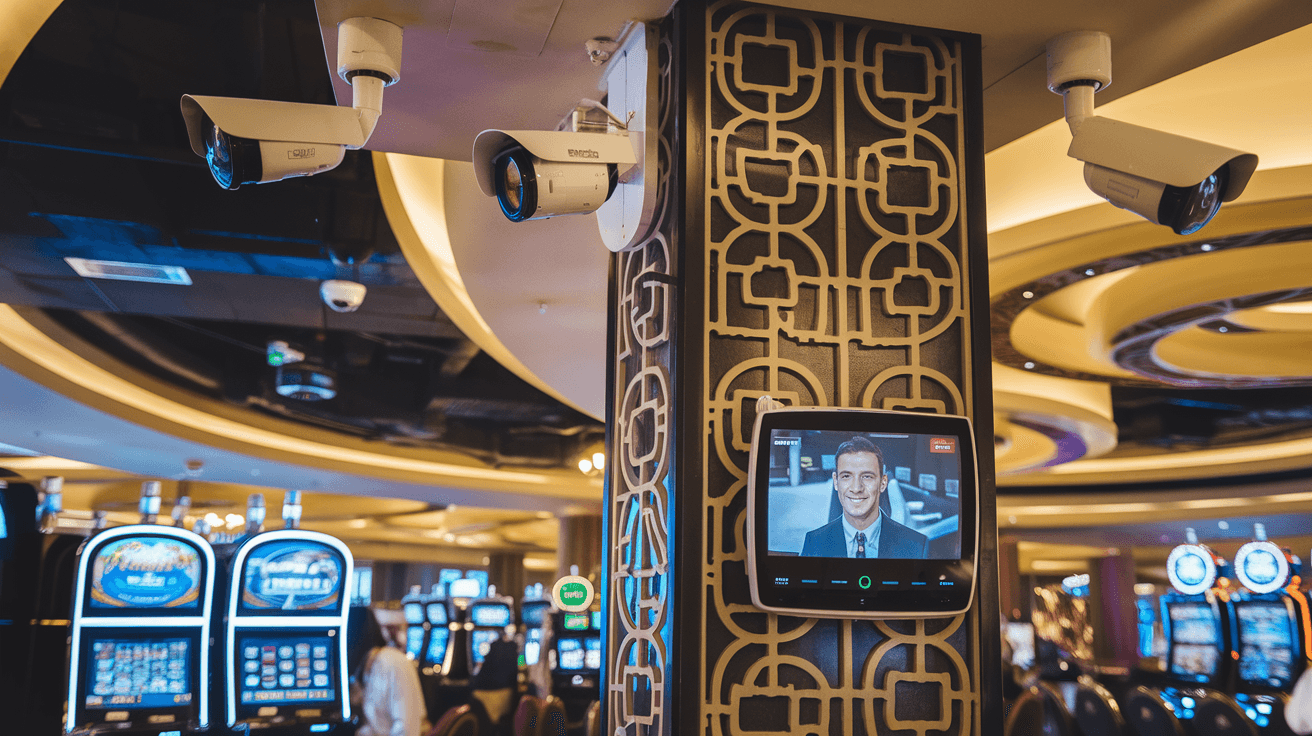
Casinos install cameras at entrances, gaming floors, and other key areas. These cameras connect to software that scans faces in real time.
- Step 1: Capture: Cameras take images of everyone entering or moving inside.
- Step 2: Analyze: The software extracts facial features and creates a digital “faceprint.”
- Step 3: Compare: The faceprint is matched against databases of banned individuals, VIPs, or known cheaters.
- Step 4: Alert: If there’s a match, security staff receive an alert to take action.
This process happens quickly and often without players noticing.
Privacy Concerns and Controversies
While face recognition offers benefits, it also raises privacy issues. Many people worry about how their data is collected and used.
Common Concerns
- Lack of consent: Players may not know they are being scanned.
- Data security: Storing facial data risks hacking or misuse.
- False positives: Errors in recognition can lead to wrongful accusations.
- Surveillance fears: Continuous monitoring can feel intrusive.
How Casinos Address These Issues
- Transparency: Some casinos inform customers about face recognition use.
- Data protection: Strong encryption and limited access protect stored data.
- Accuracy improvements: New algorithms reduce mistakes.
- Regulatory oversight: Laws require casinos to follow privacy rules.
Still, privacy advocates urge caution and call for clearer regulations on biometric surveillance in public spaces like casinos.
Examples of Casinos Using Face Recognition
Several well-known casinos have publicly confirmed their use of face recognition technology.
- MGM Resorts (Las Vegas): Uses face recognition to identify banned players and enhance security.
- The Venetian (Macau): Employs the technology for VIP recognition and fraud prevention.
- Crown Casino (Australia): Has trialed face recognition to monitor problem gamblers and enforce bans.
These examples show how face recognition is becoming a standard tool in the casino industry.
What Should You Know as a Casino Visitor?
If you’re visiting a casino, here are some things to keep in mind about face recognition:
- You might be scanned: Many casinos use cameras that capture your face.
- Your data may be stored: Casinos keep facial data for security or marketing.
- You can ask: Some casinos provide information about their surveillance policies.
- Privacy laws vary: Depending on where you are, your rights to refuse or access data differ.
Being aware helps you make informed choices about where and how you gamble.
The Future of Face Recognition in Casinos
Face recognition technology is evolving quickly. Here’s what we can expect in the coming years:
- Better accuracy: AI improvements will reduce errors and false matches.
- Integration with other tech: Casinos may combine face recognition with fingerprint or voice ID.
- More personalized experiences: Players could enjoy seamless, customized services.
- Stronger privacy controls: New laws and tech will protect user data better.
- Wider adoption: More casinos worldwide will use face recognition as standard.
This technology will continue shaping how casinos operate and interact with players.
Conclusion
Casinos do use face recognition technology, mainly to boost security, improve customer service, and comply with regulations. While it offers many benefits, it also raises important privacy questions. As a visitor, knowing how this technology works helps you understand what’s happening behind the scenes.
The use of face recognition in casinos is growing, especially in large venues and regulated markets. With ongoing advances and legal changes, this technology will become even more common. Whether you’re a casual player or a frequent visitor, staying informed about face recognition can help you navigate the casino experience confidently.
FAQs
Do all casinos use face recognition technology?
No, not all casinos use face recognition. Large casinos in major cities are more likely to use it, while smaller venues may rely on traditional security methods.
Can face recognition identify banned players instantly?
Yes, face recognition systems can quickly match faces against lists of banned individuals to alert security staff in real time.
Is my facial data safe when casinos use face recognition?
Casinos use encryption and strict access controls to protect facial data, but risks of hacking or misuse still exist.
Can I refuse to be scanned by face recognition in a casino?
This depends on local laws and casino policies. Some places require consent, while others may scan faces as part of entry conditions.
How accurate is face recognition technology in casinos?
Modern face recognition is highly accurate, but errors can still happen, especially with poor lighting or changes in appearance.