
Can Only Native Americans Own Casinos?
Introduction
You might have heard that only Native Americans can own casinos in the United States. This idea comes from the unique relationship between Native American tribes and gaming laws. But is it really true that only Native Americans can own casinos? Or can others also own and operate casinos?
In this article, I’ll explain how casino ownership works, especially focusing on Native American tribes. We’ll look at the laws, the reasons behind them, and what types of casinos exist. By the end, you’ll have a clear understanding of who can own casinos and why.
What Are Native American Casinos?
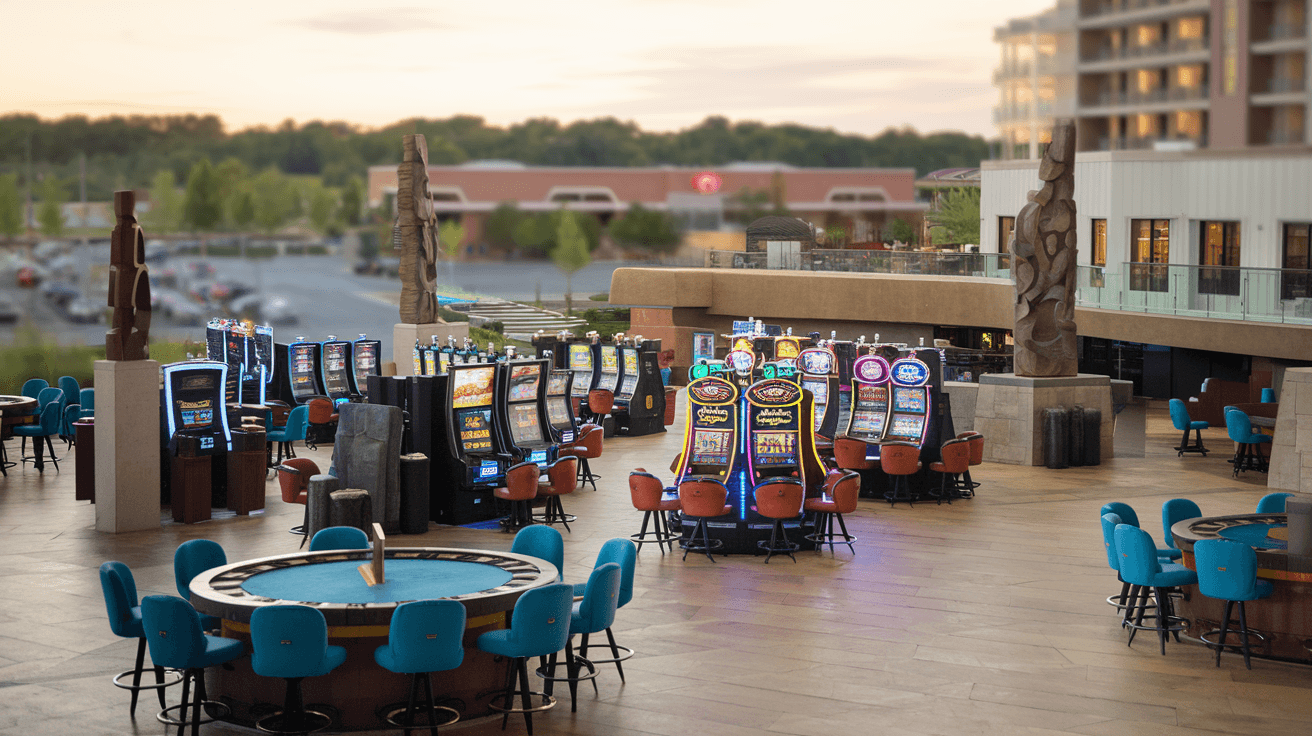
Native American casinos are gambling establishments owned and operated by federally recognized Native American tribes. These casinos are usually located on tribal lands or reservations.
- They are regulated under the Indian Gaming Regulatory Act (IGRA) of 1988.
- The IGRA allows tribes to operate casinos to promote economic development and self-sufficiency.
- These casinos often include slot machines, table games, and bingo halls.
Native American casinos have become a significant source of revenue for many tribes, helping fund education, healthcare, and infrastructure.
Why Are Native American Casinos Unique?
Native American casinos are unique because of the legal status of tribal lands. Tribal lands are considered sovereign nations, which means they have some independence from state laws.
- Tribal sovereignty allows tribes to operate casinos even if gambling is illegal in the surrounding state.
- The IGRA requires tribes to negotiate compacts with states to regulate casino operations.
- This legal framework is designed to protect tribal interests and promote economic growth.
Because of this sovereignty, Native American tribes have a special position in the casino industry that private companies do not.
Can Only Native Americans Own Casinos?
The short answer is no. Not only Native Americans can own casinos, but the type of casino and its location matter a lot.
Native American Casinos
- Only federally recognized tribes can own and operate casinos on tribal lands.
- These casinos benefit from tribal sovereignty and specific federal laws.
- Non-tribal entities cannot own casinos on tribal lands.
Commercial Casinos
- Outside tribal lands, commercial casinos can be owned by private companies or individuals.
- States regulate commercial casinos through licenses and strict laws.
- Examples include casinos in Las Vegas, Atlantic City, and other gambling hubs.
Other Casino Types
- Riverboat casinos, racetrack casinos, and online casinos can be owned by non-Native Americans.
- These casinos follow state and federal regulations but do not have the same sovereignty protections as tribal casinos.
How Does the Indian Gaming Regulatory Act (IGRA) Affect Ownership?
The IGRA is the key law that governs Native American gaming. It sets the rules for how tribes can operate casinos and who can own them.
- The IGRA recognizes tribal sovereignty and allows tribes to run casinos on their lands.
- It requires tribes to negotiate gaming compacts with states.
- The law prohibits non-tribal ownership of casinos on tribal lands.
This means that only tribes themselves can own casinos on their reservations. However, the IGRA does not restrict casino ownership outside tribal lands.
Examples of Native American Casinos
Several Native American tribes operate successful casinos across the U.S. Here are some examples:
- Foxwoods Resort Casino in Connecticut, owned by the Mashantucket Pequot Tribal Nation.
- Mohegan Sun in Connecticut, owned by the Mohegan Tribe.
- Pechanga Resort & Casino in California, owned by the Pechanga Band of Luiseño Indians.
- Seminole Hard Rock Hotel & Casino in Florida, owned by the Seminole Tribe.
These casinos generate billions in revenue and provide jobs and services to their communities.
How Do Commercial Casinos Differ?
Commercial casinos are owned by private companies or investors. They operate under state licenses and follow state gambling laws.
- Examples include MGM Resorts, Caesars Entertainment, and Wynn Resorts.
- These casinos pay taxes to the state and are subject to state regulations.
- They do not have the sovereignty protections that tribal casinos enjoy.
Commercial casinos are common in places like Nevada, New Jersey, and Pennsylvania.
Can Non-Native Americans Partner with Tribes to Own Casinos?
While only tribes can own casinos on tribal lands, they sometimes partner with non-Native American companies for management or investment.
- These partnerships can provide capital, expertise, and marketing.
- The tribe retains ownership and control, complying with IGRA.
- Examples include management agreements with casino operators.
Such partnerships help tribes run successful casinos while maintaining legal ownership.
Why Do Native American Casinos Exist?
Native American casinos exist mainly to support tribal economic development and self-sufficiency.
- Many tribes face economic challenges and limited job opportunities.
- Casinos provide revenue to fund healthcare, education, and housing.
- They help preserve tribal culture and sovereignty.
The federal government supports tribal gaming as a way to promote tribal welfare.
What Are the Legal Requirements to Own a Casino?
Owning a casino, whether tribal or commercial, involves strict legal requirements.
- For tribal casinos, ownership is limited to federally recognized tribes.
- Commercial casinos require state licenses and regulatory approval.
- Owners must comply with anti-money laundering laws and gaming regulations.
- Background checks and financial disclosures are standard.
These rules ensure casinos operate fairly and legally.
The Role of State Governments
State governments play a big role in regulating casinos, especially commercial ones.
- States decide where casinos can operate and issue licenses.
- They negotiate compacts with tribes for tribal casinos.
- States collect taxes and enforce gaming laws.
This balance between state and tribal authority shapes the casino landscape.
Summary Table: Who Can Own Casinos?
| Casino Type | Ownership Allowed | Location | Regulation |
| Native American Casinos | Only federally recognized tribes | Tribal lands | Indian Gaming Regulatory Act |
| Commercial Casinos | Private companies/individuals | Off tribal lands | State gaming commissions |
| Riverboat/Racetrack | Private owners | State-approved locations | State laws |
| Online Casinos | Licensed operators | Online | State and federal laws |
Conclusion
So, can only Native Americans own casinos? The answer is nuanced. Only federally recognized Native American tribes can own and operate casinos on their tribal lands. This is because of tribal sovereignty and the Indian Gaming Regulatory Act. However, outside of tribal lands, commercial casinos can be owned by private companies and individuals.
Understanding the difference between tribal and commercial casinos helps clarify ownership rules. Native American casinos serve an important role in supporting tribal communities, while commercial casinos contribute to state economies. Both types coexist under different legal frameworks.
If you want to learn more about casino ownership or the role of Native American tribes in gaming, keep exploring. The casino world is complex but fascinating, with laws designed to balance economic interests and cultural respect.
FAQs
Can non-Native Americans own casinos on tribal lands?
No, only federally recognized Native American tribes can own casinos on their tribal lands due to tribal sovereignty and the Indian Gaming Regulatory Act.
Are commercial casinos owned by Native Americans?
Commercial casinos are typically owned by private companies or individuals, not Native Americans, unless they have tribal ownership outside tribal lands.
What is the Indian Gaming Regulatory Act?
The Indian Gaming Regulatory Act is a federal law that governs gaming on Native American lands, allowing tribes to operate casinos under certain conditions.
Can tribes partner with non-Native companies to run casinos?
Yes, tribes often partner with non-Native companies for management or investment, but the tribe retains ownership and control.
Do all states allow commercial casinos?
No, casino laws vary by state. Some states allow commercial casinos, while others restrict or prohibit them. Tribal casinos operate under different rules.