
Can a Casino Control a Slot Machine

Introduction
You might wonder if casinos can control slot machines to make sure players lose more often. It’s a common question because slot machines are everywhere in casinos, and many people want to know if the games are fair. Understanding how slot machines work can help you play smarter and enjoy your time without worrying about hidden tricks.
In this article, I’ll explain how slot machines operate, whether casinos can control them, and what you should know before playing. You’ll get clear answers based on facts, so you can feel confident next time you try your luck.
How Slot Machines Work
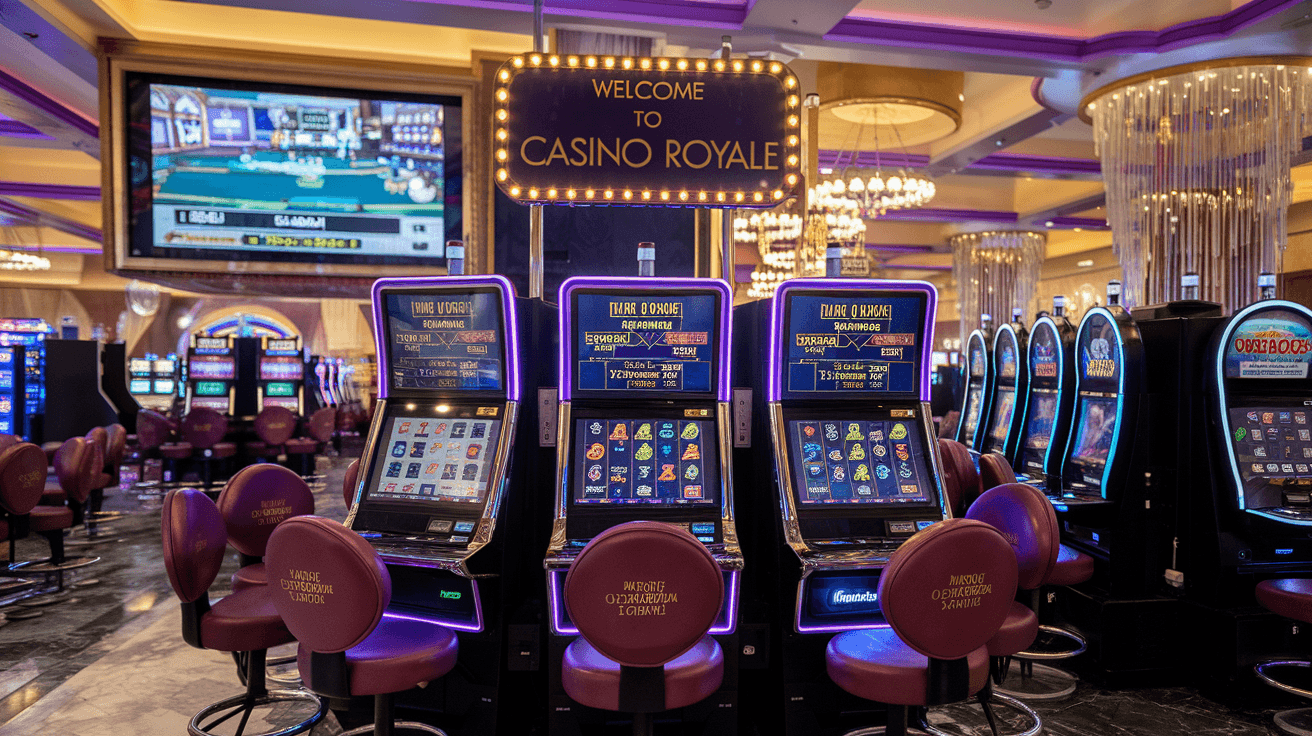
Slot machines are electronic devices that use random number generators (RNGs) to determine the outcome of each spin. The RNG is a computer program that constantly generates numbers, even when the machine is not being played. When you press the spin button, the machine picks the current number from the RNG to decide the symbols that appear on the reels.
- RNGs ensure every spin is independent and random.
- The outcome cannot be predicted or influenced by previous spins.
- Each symbol combination has a specific probability based on the machine’s design.
This system means that slot machines are designed to be fair and random. The casino cannot change the outcome of a spin once it starts.
Can Casinos Control Slot Machines?
The short answer is no, casinos cannot control the outcome of individual spins on slot machines. However, casinos do have control over some settings before the machines are put into play.
What Casinos Can Control
- Return to Player (RTP) Percentage: Casinos can choose slot machines with different RTP rates. RTP is the percentage of money wagered that the machine pays back over time. For example, a machine with a 95% RTP will pay back $95 for every $100 wagered on average.
- Machine Placement: Casinos decide where to place slot machines. Popular or high-RTP machines might be placed in busy areas to attract players.
- Game Selection: Casinos select which games to offer, including themes, jackpots, and volatility (how often and how much the machine pays out).
What Casinos Cannot Control
- Individual Spin Outcomes: The RNG ensures each spin is random and independent.
- Timing of Wins: Casinos cannot decide when a player will win or lose.
- Manipulating Results: Modern slot machines are regulated and tested to prevent tampering.
How Casinos Make Money from Slot Machines
Casinos earn money from slot machines through the built-in house edge, which is the difference between the money players wager and the money paid out. This edge is built into the RTP.
- Most slot machines have RTPs between 85% and 98%.
- The house edge means the casino expects to keep 2% to 15% of all money wagered over time.
- The longer you play, the more likely the casino will make a profit.
This system is transparent and regulated by gaming authorities to ensure fairness.
Regulation and Testing of Slot Machines
Slot machines are heavily regulated to protect players and ensure fairness. Before a machine is allowed in a casino, it must pass strict tests by independent agencies.
- Testing labs check the RNG and payout percentages.
- Regulators require machines to meet minimum RTP standards.
- Casinos must keep records and allow audits to prevent cheating.
These rules make it very difficult for casinos to manipulate machines unfairly.
Common Myths About Casino Control of Slot Machines
Many myths surround slot machines and casino control. Let’s clear up some of the most common ones:
Myth: Casinos can make machines pay out when they want.
Reality: The RNG prevents this. Outcomes are random and cannot be timed.Myth: Machines are “due” to pay out after a losing streak.
Reality: Each spin is independent. Past results don’t affect future spins.Myth: Casinos can remotely change machine settings during play.
Reality: Settings are locked and regulated. Changes require approval and testing.
Understanding these myths helps you avoid false beliefs and enjoy gaming responsibly.
Tips for Playing Slot Machines
While you can’t control the machine, you can control how you play. Here are some tips to help you have fun and manage your money:
- Choose machines with higher RTPs. Look for games that pay back more over time.
- Set a budget before playing. Decide how much you can afford to lose.
- Play for entertainment, not profit. Treat slots as fun, not a way to make money.
- Take breaks and avoid chasing losses. This keeps your experience positive.
- Understand the game rules and paytable. Know what symbols pay and how bonuses work.
These steps help you play smart and enjoy your time at the casino.
Conclusion
So, can a casino control a slot machine? The truth is that casinos cannot control the outcome of individual spins thanks to the random number generator technology. While casinos do choose the machines, their settings, and placement, the actual results are random and fair.
Slot machines are designed to provide entertainment with a built-in house edge that ensures the casino makes money over time. Regulations and testing protect players from unfair practices. By understanding how slot machines work and playing responsibly, you can enjoy your casino experience without worrying about hidden controls.
FAQs
Can a casino change the odds of a slot machine while I’m playing?
No, casinos cannot change the odds during play. Slot machines have fixed settings that are regulated and tested to ensure fairness.
What does RTP mean on a slot machine?
RTP stands for Return to Player. It’s the percentage of wagered money a slot machine pays back to players over time.
Are slot machines rigged to make players lose?
No, slot machines use random number generators to ensure each spin is random and fair. They are regulated to prevent rigging.
Can I predict when a slot machine will pay out?
No, each spin is independent and random. There is no way to predict or influence when a machine will pay out.
How do casinos make money from slot machines?
Casinos make money through the house edge, which is the difference between the money wagered and the money paid out over time. This is built into the machine’s RTP.