
Are Indian Casinos Regulated

When you think about Indian casinos, you might wonder, "Are these casinos regulated?" It's a good question because regulation means safety, fairness, and trust. You want to know if the games you play are honest and if the casino operates under clear rules. In this article, I’ll explain how Indian casinos are regulated, who controls them, and what that means for you as a player.
We’ll explore the laws behind Indian casinos, the role of tribal governments, and the federal oversight involved. By the end, you’ll have a clear picture of how these casinos work and why regulation matters. Let’s dive in and uncover the facts about Indian casino regulation.
What Are Indian Casinos?
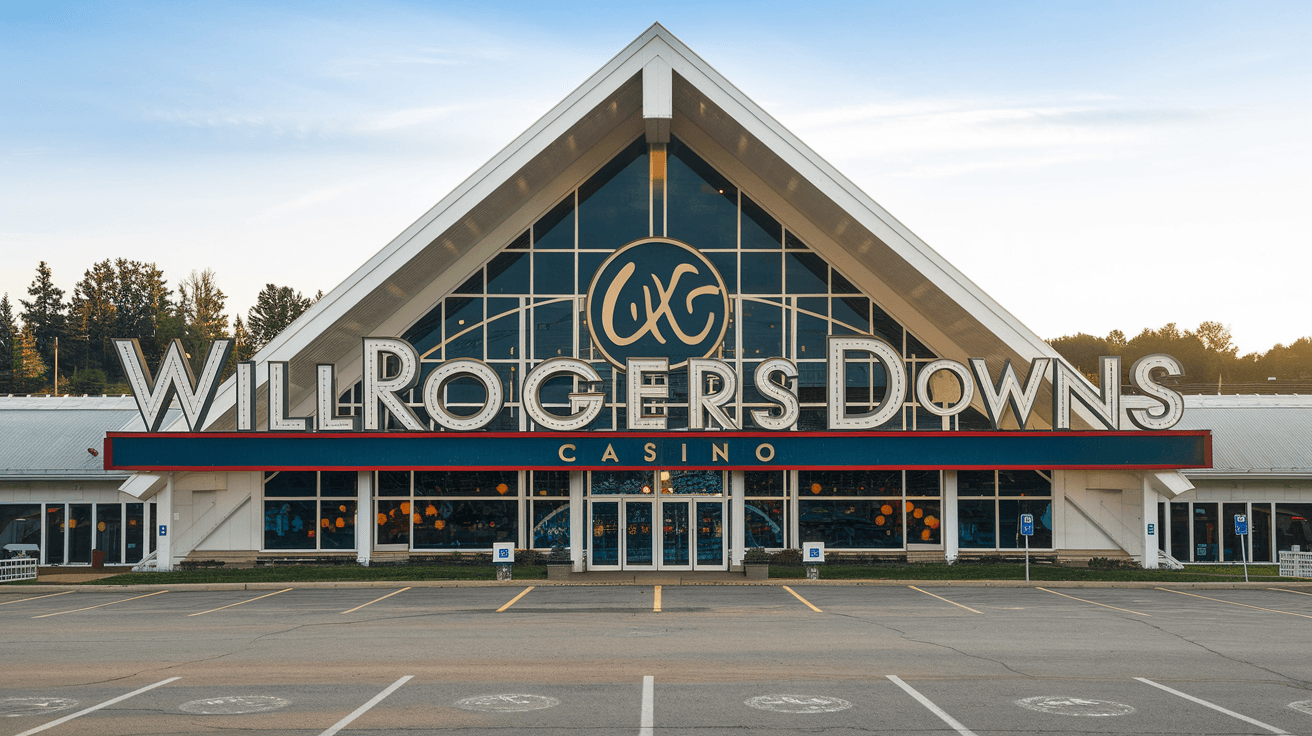
Indian casinos are gambling establishments owned and operated by Native American tribes on their lands. These casinos are a significant source of income for many tribes, helping fund education, healthcare, and community development.
- They are located on tribal lands, which are sovereign territories.
- Indian casinos offer games like slot machines, poker, blackjack, and bingo.
- They differ from commercial casinos because they are run by tribal governments, not private companies.
Understanding what Indian casinos are helps us see why their regulation is unique compared to other casinos.
Who Regulates Indian Casinos?
Indian casinos are regulated through a combination of tribal, federal, and sometimes state laws. The main authority comes from the tribes themselves, but federal laws also play a big role.
Tribal Regulation
- Tribal governments create their own gaming commissions.
- These commissions enforce rules and ensure fair play within the casino.
- Tribes have the power to license operators and employees.
Federal Oversight
- The Indian Gaming Regulatory Act (IGRA) of 1988 is the key federal law.
- IGRA established the National Indian Gaming Commission (NIGC).
- The NIGC oversees tribal gaming to ensure compliance with federal standards.
State Involvement
- States may negotiate compacts with tribes.
- These compacts outline the types of games allowed and other operational rules.
- However, states cannot regulate tribal casinos directly because of tribal sovereignty.
This layered regulation system balances tribal independence with federal oversight to protect players and tribes alike.
What Is the Indian Gaming Regulatory Act (IGRA)?
The Indian Gaming Regulatory Act (IGRA) is the foundation of Indian casino regulation. Passed by Congress in 1988, it set the rules for how tribes can operate casinos on their lands.
- IGRA classifies gaming into three classes: I, II, and III.
- Class I includes traditional tribal games and social games with minimal prizes.
- Class II covers bingo and certain card games.
- Class III includes casino-style games like slots and blackjack.
IGRA requires tribes to negotiate compacts with states for Class III gaming. It also created the National Indian Gaming Commission to oversee compliance and protect the integrity of tribal gaming.
Role of the National Indian Gaming Commission (NIGC)
The NIGC is a federal agency that monitors Indian casinos to ensure they follow the law.
- It reviews tribal gaming ordinances and management contracts.
- The NIGC audits casinos to check for financial and operational compliance.
- It investigates complaints and enforces penalties if rules are broken.
The NIGC’s work helps maintain fair gaming practices and prevents corruption or fraud in Indian casinos.
Tribal Gaming Commissions: The First Line of Regulation
Each tribe operating a casino usually has its own gaming commission. These commissions act like a local regulator.
- They license casino staff and vendors.
- They monitor daily operations to ensure games are fair.
- They investigate any suspicious activity or disputes.
Because tribes are sovereign nations, their gaming commissions have the authority to enforce rules within their casinos. This local control is important for respecting tribal self-governance.
How Are Indian Casinos Different from Commercial Casinos?
Indian casinos operate under different rules than commercial casinos because of tribal sovereignty.
- Tribal lands are considered sovereign, meaning tribes govern themselves.
- States cannot impose direct regulations on tribal casinos without a compact.
- Tribal casinos often have unique agreements with states about revenue sharing and game types.
This sovereignty means Indian casinos have more control over their operations but still must follow federal laws like IGRA.
Are Indian Casinos Safe and Fair?
Yes, Indian casinos are generally safe and fair due to strict regulation.
- Tribal gaming commissions and the NIGC ensure games use certified equipment.
- Regular audits check for fairness and financial integrity.
- Security measures protect players and staff.
These regulations help build trust so you can enjoy gaming without worrying about cheating or unsafe conditions.
What Happens If a Tribe Violates Regulations?
If a tribe breaks gaming laws or regulations, there are consequences.
- The NIGC can issue fines or suspend gaming operations.
- Tribes may lose their gaming license.
- Legal disputes can arise between tribes and states or the federal government.
However, tribes usually work hard to comply because gaming revenue is vital for their communities.
How Do State Compacts Affect Indian Casinos?
State-tribal compacts are agreements that set rules for Class III gaming.
- They define which games are allowed.
- They may include revenue sharing with the state.
- They establish procedures for dispute resolution.
These compacts are negotiated to respect tribal sovereignty while addressing state interests. They help create a stable environment for Indian casinos to operate.
The Economic Impact of Indian Casinos
Indian casinos are a major economic force.
- They provide jobs for tribal members and local communities.
- Revenue funds tribal government services like schools and healthcare.
- Casinos attract tourism and boost local businesses.
Because of their economic importance, regulation ensures these benefits continue without legal or ethical problems.
Common Misconceptions About Indian Casino Regulation
Many people misunderstand how Indian casinos are regulated.
- Some think they are unregulated or illegal, but they are fully legal under federal law.
- Others believe states control them, but tribes have sovereignty.
- Some assume all Indian casinos offer the same games, but offerings vary by compact and tribe.
Knowing the facts helps you appreciate the complexity and fairness of Indian casino regulation.
How to Verify an Indian Casino’s Legitimacy
If you want to check if an Indian casino is regulated and legitimate:
- Look for a tribal gaming commission seal or certification.
- Check if the casino is listed on the National Indian Gaming Commission website.
- Review the state-tribal compact if available.
- Read reviews and reports from trusted sources.
These steps help ensure you’re playing at a safe and regulated casino.
Future Trends in Indian Casino Regulation
Indian casino regulation continues to evolve.
- More tribes are exploring online gaming under IGRA rules.
- States and tribes negotiate new compacts to expand gaming options.
- Technology advances improve security and fairness monitoring.
Staying informed about these trends helps you understand how Indian casinos will operate in the future.
Conclusion
Now you know that Indian casinos are indeed regulated, but in a unique way. Tribal governments lead the regulation with strong federal oversight from the National Indian Gaming Commission. State compacts add another layer of rules for certain games. This system respects tribal sovereignty while ensuring fairness and safety.
If you’re thinking about visiting or playing at an Indian casino, you can feel confident that these casinos follow strict laws and standards. They provide a safe, fair gaming experience while supporting tribal communities. Understanding this regulation helps you enjoy Indian casinos with peace of mind.
FAQs
Are Indian casinos legal everywhere in the U.S.?
Indian casinos are legal on tribal lands across the U.S., but the types of games and operations depend on federal law and state compacts.
Who enforces gaming laws at Indian casinos?
Tribal gaming commissions enforce local rules, while the National Indian Gaming Commission oversees federal compliance.
Can states regulate Indian casinos directly?
No, states cannot directly regulate Indian casinos without a negotiated compact due to tribal sovereignty.
What types of games do Indian casinos offer?
Indian casinos offer Class II games like bingo and Class III games like slots and blackjack, depending on their compact.
How can I check if an Indian casino is regulated?
You can verify regulation by checking the National Indian Gaming Commission website or looking for tribal gaming commission certifications.