
Are Cruise Ship Casinos Regulated
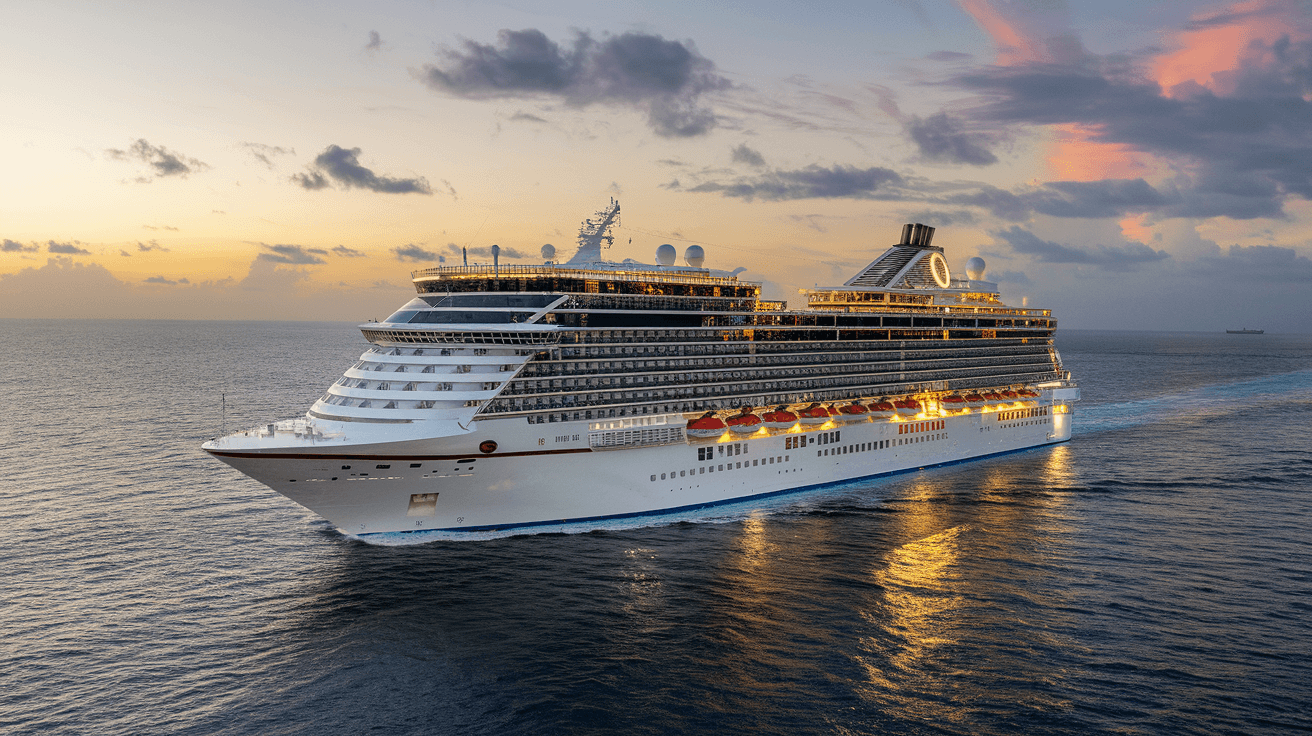
Cruise ship casinos offer a unique way to enjoy gambling while sailing the seas. If you’re planning a cruise and want to try your luck at the casino, you might wonder: are cruise ship casinos regulated? Understanding how these casinos operate and what rules govern them can help you play safely and confidently.
In this article, we’ll explore the regulations that apply to cruise ship casinos, how they differ from land-based casinos, and what you should know about their legal status. Whether you’re a casual player or a frequent cruiser, this guide will clarify the key points about cruise ship casino regulation.
How Are Cruise Ship Casinos Regulated?
Cruise ship casinos operate under a different set of rules compared to casinos on land. The main reason is that cruise ships travel through international waters, where national laws often don’t apply. Instead, the regulation depends on the ship’s flag state and the jurisdictions it visits.
- Flag State Jurisdiction: Cruise ships are registered under a country’s flag, such as the Bahamas, Panama, or Malta. The laws of that country usually govern onboard activities, including gambling.
- International Waters: When a ship is in international waters (typically 12 nautical miles from shore), it is generally subject to the laws of its flag state rather than the country it departed from.
- Port Regulations: When docked in a port, the ship must comply with local laws, which may restrict or prohibit gambling.
This means cruise ship casinos are regulated by a mix of international maritime law and the specific gambling laws of the flag state. These regulations ensure fair play, responsible gambling, and security onboard.
The Role of Flag States in Casino Regulation
The flag state plays a crucial role in regulating cruise ship casinos. Each country has its own rules for licensing and monitoring gambling operations on ships registered under its flag.
- Licensing Requirements: Flag states often require cruise lines to obtain a gambling license before operating a casino onboard. This license ensures the casino meets standards for fairness and security.
- Compliance and Inspections: Regulatory bodies from the flag state may conduct inspections or audits to verify compliance with gambling laws.
- Consumer Protection: Flag states enforce rules to protect players, such as ensuring games are fair and payouts are accurate.
For example, many cruise ships are registered in countries like the Bahamas or Malta, which have established gambling regulations. These countries require cruise lines to follow strict guidelines to maintain their licenses.
How International Waters Affect Casino Operations
When a cruise ship sails beyond a country’s territorial waters, it enters international waters. This zone is important because it changes which laws apply to the ship and its casino.
- Territorial Waters: Usually extend up to 12 nautical miles from a country’s coastline. Within this zone, the country’s laws apply.
- International Waters: Beyond 12 nautical miles, the ship is governed by the laws of its flag state.
- Casino Availability: Cruise ship casinos typically open only when the ship is in international waters to avoid conflicts with local gambling laws.
This is why you’ll often see cruise ship casinos open only after the ship leaves port. When the ship returns to port, the casino usually closes to comply with local regulations.
Differences Between Cruise Ship Casinos and Land-Based Casinos
Cruise ship casinos differ from land-based casinos in several ways due to their unique regulatory environment.
- Licensing: Land casinos are licensed by state or national governments, while cruise ship casinos are licensed by flag states.
- Game Variety: Cruise ship casinos may offer fewer games due to space and regulatory limits.
- Operating Hours: Cruise ship casinos operate only when in international waters, unlike land casinos that can operate continuously.
- Security Measures: Both types have strict security, but cruise ship casinos also follow maritime safety rules.
Despite these differences, cruise ship casinos aim to provide a similar gaming experience with popular games like blackjack, poker, roulette, and slot machines.
What Regulations Ensure Fair Play on Cruise Ship Casinos?
Fair play is a top priority for cruise ship casinos. Regulations and oversight help maintain trust and protect players.
- Random Number Generators (RNGs): Electronic games use RNGs tested for fairness.
- Game Rules: Casinos must follow standardized rules for table games.
- Payout Percentages: Flag states may require minimum payout percentages to ensure players have a fair chance.
- Surveillance: Casinos use cameras and security personnel to prevent cheating and fraud.
These measures are similar to those on land and are enforced by the flag state’s regulatory authorities.
How Do Cruise Lines Promote Responsible Gambling?
Responsible gambling is important to prevent addiction and financial harm. Cruise lines implement policies to support responsible play.
- Self-Exclusion Programs: Players can request to be banned from the casino.
- Information and Support: Casinos provide materials about gambling risks and helpline contacts.
- Limits on Betting: Some ships set limits on bet sizes or time spent gambling.
- Staff Training: Casino staff are trained to recognize problem gambling behaviors.
These efforts help create a safer environment for passengers who want to enjoy gaming responsibly.
What Happens If a Cruise Ship Visits a Country That Bans Gambling?
When a cruise ship docks in a country where gambling is illegal, the casino must comply with local laws.
- Casino Closure: The onboard casino will close while the ship is in port.
- No Gambling Allowed: Passengers cannot gamble during the stopover.
- Compliance Checks: Local authorities may inspect the ship to ensure no gambling occurs.
This is why cruise ship casinos only operate in international waters or in countries that allow onboard gambling.
Are Cruise Ship Casinos Safe and Secure?
Safety and security are critical for cruise ship casinos. Operators use multiple layers of protection to safeguard players and their money.
- Surveillance Cameras: Monitor all gaming areas.
- Security Personnel: Trained staff patrol the casino floor.
- Secure Transactions: Cash handling and electronic payments follow strict protocols.
- Regulatory Oversight: Flag states enforce compliance with safety standards.
These measures help prevent theft, cheating, and other risks, making cruise ship casinos a secure place to play.
How to Choose a Cruise with a Well-Regulated Casino
If gambling is a key part of your cruise experience, consider these tips to find a cruise with a reputable, regulated casino.
- Check the Flag State: Research the country where the ship is registered and its gambling laws.
- Look for Licensing Information: Reputable cruise lines will disclose their casino licenses.
- Read Reviews: Passenger feedback can reveal how well the casino is managed.
- Ask About Responsible Gambling Policies: Ensure the cruise line supports safe play.
- Verify Game Variety and Limits: Confirm the casino offers games you enjoy with fair rules.
Doing this homework helps you pick a cruise where the casino is properly regulated and trustworthy.
Conclusion
Cruise ship casinos are regulated, but their rules differ from land-based casinos due to international maritime laws and flag state jurisdictions. These casinos operate mainly in international waters under licenses from the ship’s flag country. This system ensures fair play, security, and responsible gambling, even though the regulations can vary depending on the flag state.
When you choose a cruise with a casino, it’s important to understand these regulations and how they affect your gaming experience. By selecting a cruise line with a strong regulatory framework and responsible gambling policies, you can enjoy your time onboard with confidence and fun.
FAQs
Are cruise ship casinos legal everywhere?
No, cruise ship casinos are legal only when the ship is in international waters or in countries that allow onboard gambling. They must close when docked in ports where gambling is banned.
Who regulates cruise ship casinos?
Cruise ship casinos are regulated by the country where the ship is registered, known as the flag state. This country issues licenses and enforces gambling laws onboard.
Can I gamble on a cruise ship while docked?
Generally, no. Cruise ship casinos operate only when the ship is in international waters. They close when the ship is docked to comply with local laws.
Are cruise ship casinos safe to play at?
Yes, cruise ship casinos use strict security measures, including surveillance and regulatory oversight, to ensure a safe and fair gaming environment.
What games are typically available on cruise ship casinos?
Common games include blackjack, poker, roulette, baccarat, and slot machines. The selection may be smaller than land casinos but still offers popular options.