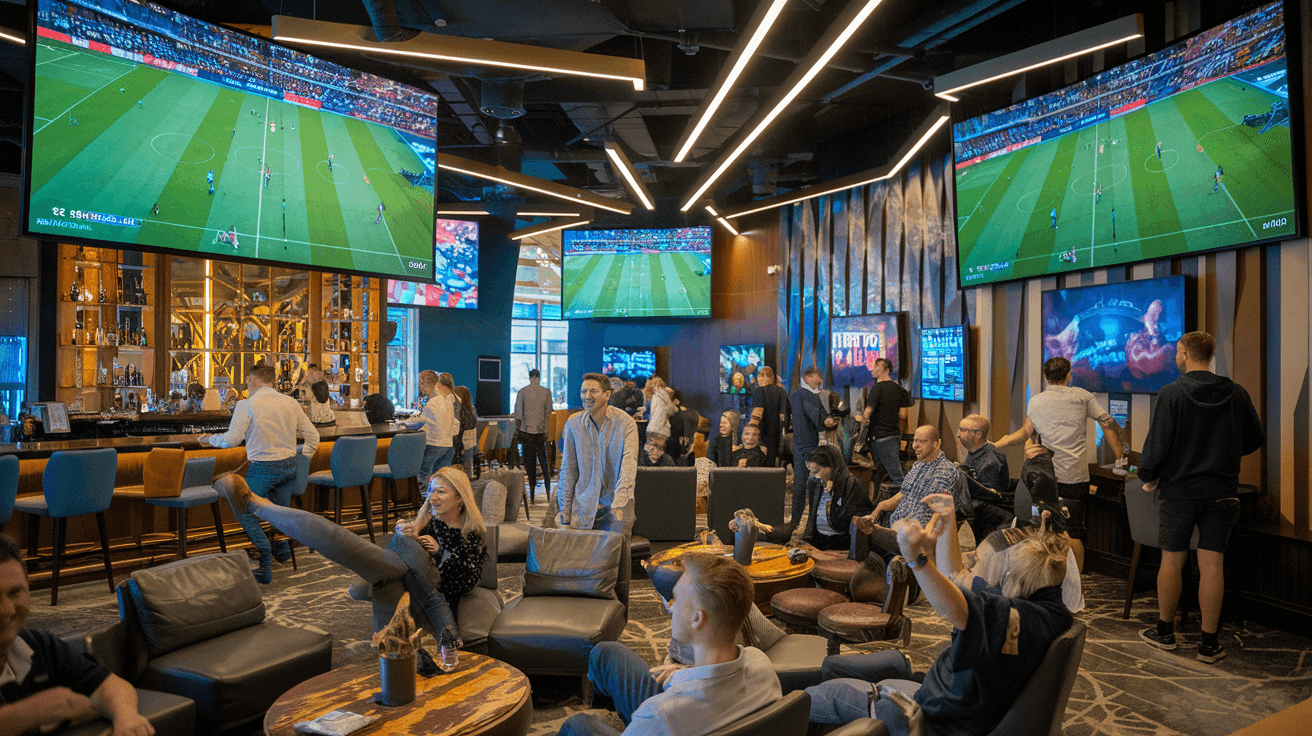

Are Casinos Legal in Washington
Introduction
If you’re wondering, “Are casinos legal in Washington?” you’re not alone. Many people want to know what types of gambling are allowed in the state and where they can legally play. Washington has a unique approach to casinos, shaped by tribal agreements and state laws.
In this article, I’ll explain the current legal status of casinos in Washington. We’ll explore tribal casinos, state regulations, and what you need to know before visiting or playing. By the end, you’ll have a clear understanding of how gambling works in Washington.
The Legal Status of Casinos in Washington
Washington does not allow commercial casinos like those found in Las Vegas or Atlantic City. Instead, the state permits tribal casinos operated by Native American tribes. These casinos are legal under federal and state laws due to specific agreements.
Tribal Casinos and the Indian Gaming Regulatory Act
- Tribal casinos operate under the Indian Gaming Regulatory Act (IGRA), a federal law.
- Washington has 29 federally recognized tribes, many of which run casinos.
- These casinos offer slot machines, table games, and bingo.
- Tribal casinos must negotiate compacts with the state government to operate legally.
The IGRA ensures tribes can run casinos on their land while protecting state interests. This is why you won’t find commercial casinos, but tribal casinos are widespread.
Types of Gambling Allowed in Washington
Washington’s gambling laws are strict but allow certain types of gaming:
- Tribal Casinos: Offer slot machines, poker, blackjack, and other games.
- Card Rooms: Licensed card rooms can offer poker and other card games but not slot machines.
- Lottery: The Washington State Lottery offers scratch tickets, draw games, and online lottery sales.
- Horse Racing: Pari-mutuel betting is legal at licensed racetracks.
- Social Gambling: Private games without a house take are allowed.
Washington prohibits commercial slot machines and most forms of online gambling, except for the state lottery.
Where Are Tribal Casinos Located in Washington?
Tribal casinos are spread throughout Washington, often near tribal reservations. Some of the most popular include:
- Snoqualmie Casino: Located near Seattle, offers slots, table games, and dining.
- Tulalip Resort Casino: Near Marysville, known for its large gaming floor and hotel.
- Muckleshoot Casino: South of Seattle, one of the largest casinos in the state.
- Suquamish Clearwater Casino Resort: Offers gaming and resort amenities near Poulsbo.
These casinos provide entertainment, dining, and hotel services, making them popular destinations.
How Tribal-State Compacts Affect Casino Operations
Tribal-state compacts are agreements that define how casinos operate. They cover:
- Types of games allowed
- Revenue sharing with the state
- Regulatory oversight and enforcement
- Hours of operation
These compacts ensure that tribal casinos operate fairly and contribute to the state economy. They also protect tribal sovereignty, allowing tribes to manage their own gaming operations.
Online Gambling and Casinos in Washington
Washington has strict laws against online gambling. Here’s what you need to know:
- Online casino games are illegal.
- The state lottery offers legal online ticket sales.
- No legal online poker or sports betting platforms exist.
- Some offshore sites operate but are not legal or regulated.
If you want to gamble online legally, your options are limited to the state lottery. Always be cautious about offshore sites, as they lack consumer protections.
The Economic Impact of Casinos in Washington
Tribal casinos contribute significantly to Washington’s economy:
- Provide thousands of jobs in gaming, hospitality, and support services.
- Generate millions in revenue shared with the state.
- Fund tribal government programs, healthcare, and education.
- Boost local economies through tourism and spending.
Casinos are important economic engines for many tribal communities and the state overall.
What You Should Know Before Visiting a Casino in Washington
If you plan to visit a casino in Washington, keep these tips in mind:
- You must be at least 21 years old to gamble.
- Bring valid ID for age verification.
- Know the casino’s rules and hours of operation.
- Understand that winnings may be subject to state and federal taxes.
- Use responsible gambling practices to avoid problems.
Visiting a tribal casino can be a fun experience if you stay informed and gamble responsibly.
Future of Casinos and Gambling Laws in Washington
Washington’s gambling laws may evolve, but changes are slow:
- There is ongoing debate about legalizing sports betting.
- Some lawmakers consider expanding online gambling options.
- Tribal casinos continue to negotiate new compacts.
- Public opinion generally supports tribal gaming but is cautious about expansion.
For now, tribal casinos remain the primary legal casino option in Washington.
Conclusion
So, are casinos legal in Washington? Yes, but only tribal casinos are allowed under federal and state laws. Commercial casinos and most online gambling remain illegal. Tribal casinos offer a variety of games and contribute significantly to the state’s economy.
If you want to gamble in Washington, your best bet is visiting a tribal casino or playing the state lottery. Always follow the rules and gamble responsibly. Understanding the legal landscape helps you enjoy gaming safely and legally in Washington.
FAQs
Are commercial casinos legal in Washington?
No, Washington does not allow commercial casinos. Only tribal casinos operated by Native American tribes are legal.
Can I play online casino games legally in Washington?
No, online casino games are illegal. The only legal online gambling is through the Washington State Lottery.
What types of games do tribal casinos offer?
Tribal casinos offer slot machines, poker, blackjack, bingo, and other table games depending on their compact.
Do I need to be a Washington resident to visit tribal casinos?
No, tribal casinos are open to all adults 21 and older, regardless of residency.
Are winnings from tribal casinos taxable?
Yes, gambling winnings are subject to federal taxes and may be subject to state taxes depending on your situation.