
Are All Casinos Owned by Natives?
When you think of casinos, you might picture flashy resorts owned by Native American tribes. This idea comes from the fact that many casinos in the U.S. are indeed operated by Native American groups. But are all casinos owned by natives? The answer is more complex than a simple yes or no. Casinos come in many forms, and ownership varies widely depending on location, laws, and history.
In this article, I’ll walk you through the different types of casinos, who owns them, and why Native American tribes play such a big role in the casino industry. You’ll learn about tribal sovereignty, state-licensed casinos, and how the gaming world really works. By the end, you’ll have a clear picture of casino ownership in the U.S. and beyond.
Understanding Casino Ownership in the U.S.
Not all casinos are owned by Native American tribes. In fact, casino ownership in the U.S. falls into two main categories: tribal casinos and commercial casinos. Each operates under different rules and ownership structures.
Tribal Casinos
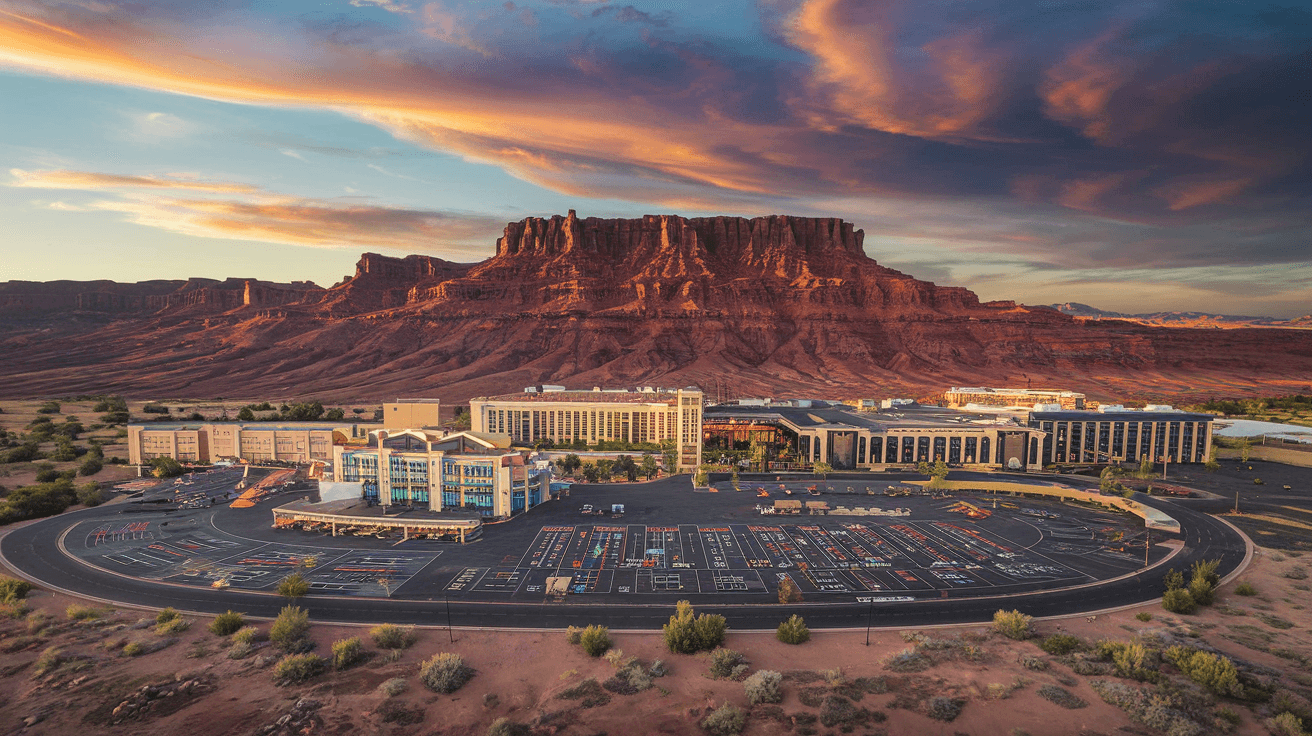
Tribal casinos are owned and operated by federally recognized Native American tribes. These casinos are usually located on tribal lands, which are sovereign territories. This sovereignty allows tribes to run gaming operations under the Indian Gaming Regulatory Act (IGRA) of 1988.
- Tribes negotiate compacts with state governments to regulate casino operations.
- Revenues from tribal casinos often fund tribal government services like healthcare, education, and infrastructure.
- Tribal casinos vary in size, from small bingo halls to large resorts with thousands of slot machines.
Commercial Casinos
Commercial casinos are owned by private companies or corporations. These casinos operate under state laws and licenses, not tribal sovereignty.
- Examples include casinos in Las Vegas, Atlantic City, and many riverboat casinos.
- These casinos pay taxes to state and local governments.
- Ownership can be by large corporations, investment groups, or individual entrepreneurs.
Key Differences Between Tribal and Commercial Casinos
| Feature | Tribal Casinos | Commercial Casinos |
| Ownership | Native American tribes | Private companies or individuals |
| Location | Tribal lands | State-licensed locations |
| Regulation | Tribal-state compacts, IGRA | State gaming commissions |
| Taxation | Often exempt from state taxes | Pay state and local taxes |
| Revenue Use | Tribal community programs | Corporate profits and dividends |
Why Are Many Casinos Owned by Native American Tribes?
The rise of Native American casinos is tied to tribal sovereignty and economic development. Before the 1980s, many tribes faced poverty and limited economic opportunities. The Indian Gaming Regulatory Act changed that by allowing tribes to operate casinos on their lands.
Tribal Sovereignty and Gaming Rights
Tribal sovereignty means tribes have the right to govern themselves. This includes managing economic enterprises like casinos. The IGRA established a legal framework for tribes to operate gaming facilities, balancing tribal rights with state interests.
- Tribes can offer certain types of gaming without state interference.
- States negotiate compacts to regulate games like slot machines and table games.
- This legal setup has empowered many tribes to build successful casino businesses.
Economic Benefits for Native Communities
Casinos have become a major source of income for many tribes. The money generated helps fund essential services and improve living standards.
- Job creation for tribal members and surrounding communities.
- Funding for healthcare, education, housing, and cultural programs.
- Infrastructure improvements like roads, water systems, and community centers.
Examples of Successful Tribal Casinos
- Mohegan Sun in Connecticut is one of the largest tribal casinos in the U.S., owned by the Mohegan Tribe.
- Foxwoods Resort Casino, also in Connecticut, is owned by the Mashantucket Pequot Tribal Nation.
- These casinos attract millions of visitors annually and generate billions in revenue.
Are All Casinos Owned by Natives? The Global Perspective
Outside the U.S., casino ownership looks very different. Native American tribes do not have the same legal status or rights in other countries, so casinos are usually owned by private companies or governments.
Casinos in Other Countries
- In Macau, the world’s largest gambling market, casinos are owned by international corporations.
- In Monaco, casinos are government-owned or operated by private firms under strict regulation.
- Many countries have state-run lotteries and casinos, with no tribal ownership.
Native Ownership Is Mostly a U.S. Phenomenon
The unique legal and historical context of Native American tribes in the U.S. has created a distinct casino industry. Tribal ownership is not common outside the U.S. because other countries do not recognize indigenous sovereignty in the same way.
How to Identify If a Casino Is Native-Owned
If you’re curious whether a casino is owned by a Native American tribe, here are some ways to find out:
- Check the casino’s website for ownership information.
- Look for mentions of tribal names or tribal governments.
- Research the casino’s location—if it’s on tribal land, it’s likely tribal-owned.
- State gaming commission websites often list licensed commercial casinos separately from tribal casinos.
The Future of Casino Ownership and Native Gaming
The casino industry continues to evolve, and Native American tribes are expanding their gaming operations. New technologies, changing laws, and market trends will shape the future.
Trends Impacting Tribal Casinos
- Online gaming: Some tribes are launching online casinos to reach more players.
- Sports betting: Many tribes are entering the sports betting market as states legalize it.
- New compacts: Tribes negotiate new agreements with states to expand gaming options.
Challenges Facing Tribal Casinos
- Competition from commercial casinos and online platforms.
- Legal battles over gaming rights and compact terms.
- Economic impacts from events like the COVID-19 pandemic.
Despite challenges, tribal casinos remain a vital part of the gaming landscape and a key source of economic development for Native communities.
Conclusion
So, are all casinos owned by natives? The simple answer is no. While many casinos in the U.S. are owned by Native American tribes, especially on tribal lands, a large number of casinos are owned by private companies or governments. Tribal casinos operate under unique legal frameworks that recognize tribal sovereignty, allowing Native communities to benefit economically.
Understanding the difference between tribal and commercial casinos helps clarify the ownership landscape. Outside the U.S., casino ownership is mostly corporate or government-based, with little to no native ownership. As the gaming industry grows and changes, Native American tribes continue to play a significant role in shaping the future of casinos in the U.S.
FAQs
Are all casinos in the U.S. owned by Native American tribes?
No, many casinos in the U.S. are commercial and owned by private companies. Tribal casinos are a significant part but not the entire industry.
What is tribal sovereignty in relation to casinos?
Tribal sovereignty means tribes govern themselves and can operate casinos on their lands under federal law, separate from state control.
Can Native American tribes operate casinos anywhere?
No, tribal casinos must be on federally recognized tribal lands and comply with the Indian Gaming Regulatory Act.
How do tribal casinos benefit Native communities?
They provide jobs, fund healthcare, education, and infrastructure, improving living standards for tribal members.
Are there Native American casinos outside the U.S.?
No, Native American tribal casinos are unique to the U.S. due to specific legal and historical contexts. Other countries do not have similar tribal gaming rights.