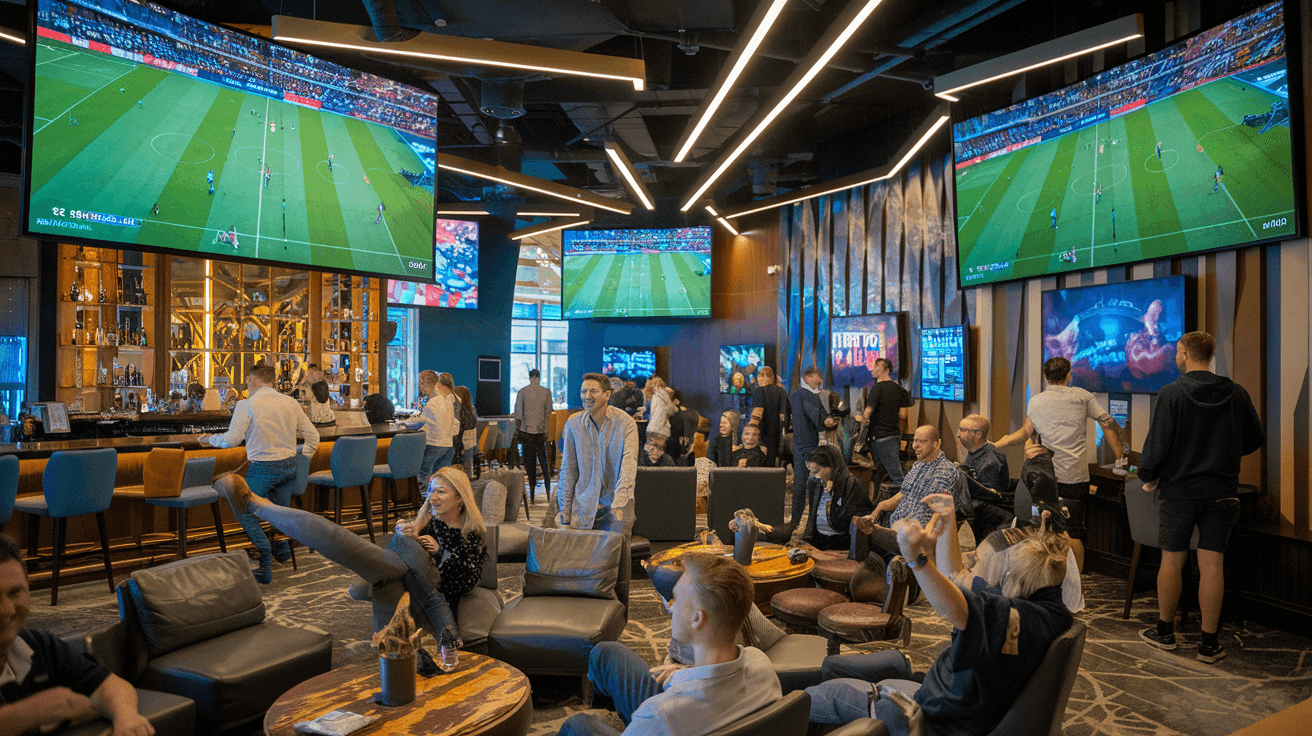

Are All Casinos Owned by Native Americans?
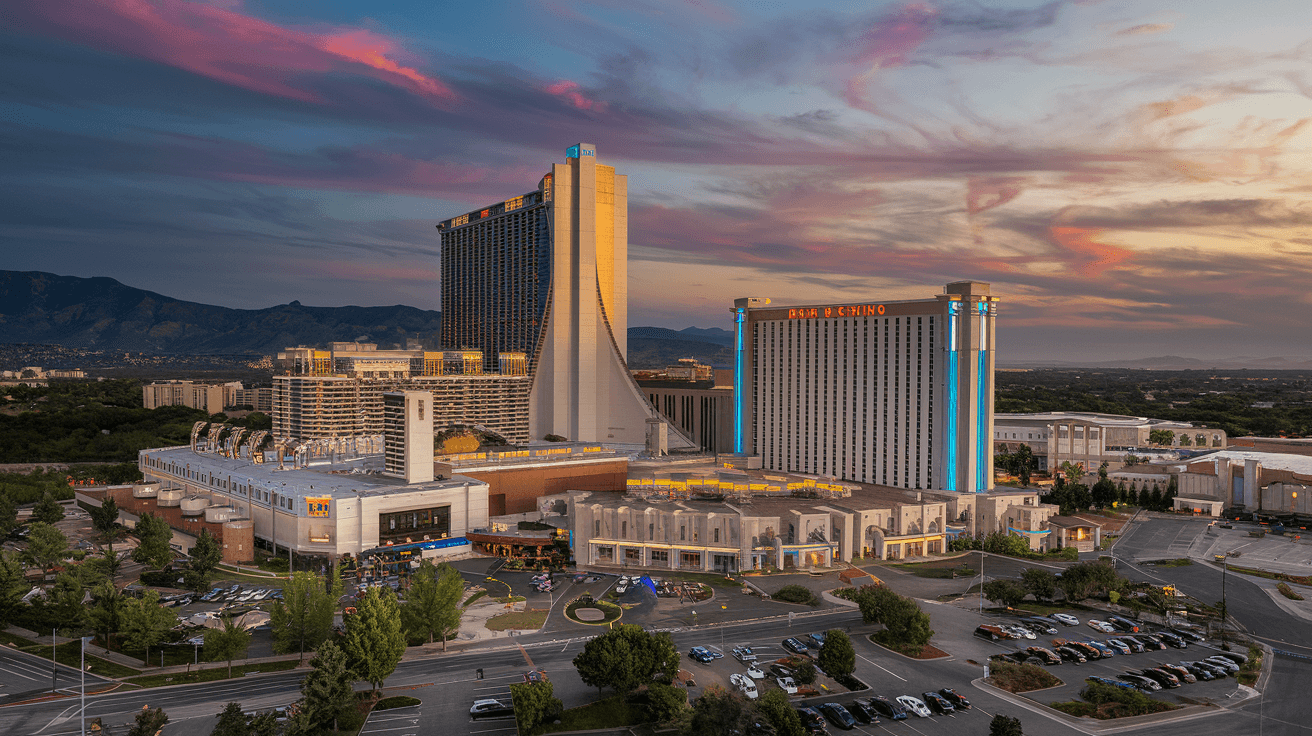
When you think of casinos, you might picture the flashy resorts in Las Vegas or the tribal casinos on Native American lands. You may have heard that all casinos are owned by Native Americans, but is that really true? Understanding who owns casinos can be confusing because there are different types of casinos with different ownership structures.
In this article, I’ll help you understand the facts about casino ownership. We’ll explore the difference between tribal casinos and commercial casinos, how Native American tribes got involved in the gaming industry, and why not all casinos are owned by Native Americans. By the end, you’ll have a clear picture of the casino world and the role Native American tribes play in it.
What Are Tribal Casinos?
Tribal casinos are gaming establishments owned and operated by Native American tribes on their sovereign lands. These casinos are a major source of income and employment for many tribes across the United States.
- Tribal casinos operate under the Indian Gaming Regulatory Act (IGRA) of 1988.
- This law allows federally recognized tribes to run casinos on their reservations.
- The goal was to promote tribal economic development and self-sufficiency.
- Tribal casinos offer games like slot machines, blackjack, poker, and bingo.
- They are regulated by the National Indian Gaming Commission (NIGC) and tribal governments.
Tribal casinos have grown significantly since the 1980s. Today, there are over 500 tribal casinos in the U.S., generating billions in revenue each year. These casinos help fund tribal services such as healthcare, education, and housing.
What Are Commercial Casinos?
Commercial casinos are privately owned and operated by companies or individuals. These casinos are usually found in cities like Las Vegas, Atlantic City, and other gambling hubs.
- Commercial casinos are regulated by state gaming commissions.
- They pay taxes to state and local governments.
- These casinos are often part of large resort complexes with hotels, restaurants, and entertainment.
- Examples include the MGM Grand in Las Vegas and the Borgata in Atlantic City.
Unlike tribal casinos, commercial casinos are not on sovereign land and do not have the same legal protections. They compete in a highly regulated market and rely on state laws to operate.
Are All Casinos Owned by Native Americans?
No, not all casinos are owned by Native Americans. While tribal casinos are a significant part of the gaming industry, many casinos are commercial and owned by private companies.
- Tribal casinos make up about one-third of all U.S. casinos.
- Commercial casinos account for the remaining two-thirds.
- Native American tribes own casinos primarily on tribal lands.
- Commercial casinos are owned by corporations or private investors.
It’s important to understand that tribal casinos are unique because they operate under different laws and have special sovereignty rights. However, the majority of casinos in the U.S. are commercial and not owned by Native Americans.
How Did Native American Tribes Get Involved in Casinos?
The involvement of Native American tribes in the casino business started as a way to improve their economic situation.
- Many tribes faced poverty and limited job opportunities.
- The Indian Gaming Regulatory Act of 1988 allowed tribes to open casinos on their lands.
- This law was a response to a Supreme Court decision affirming tribal sovereignty over gaming.
- Tribal casinos became a way to generate revenue without relying on federal or state funds.
- Profits from casinos help fund tribal government programs and improve living conditions.
Since then, tribal gaming has become a powerful economic engine for many Native American communities. Some tribes have built large, successful casino resorts that attract visitors nationwide.
Differences Between Tribal and Commercial Casinos
Understanding the differences between tribal and commercial casinos helps clarify ownership and operations.
| Feature | Tribal Casinos | Commercial Casinos |
| Ownership | Native American tribes | Private companies or individuals |
| Location | Tribal lands (reservations) | Cities or private land |
| Regulation | National Indian Gaming Commission (NIGC) and tribal governments | State gaming commissions |
| Legal Status | Sovereign tribal nations | Subject to state laws |
| Revenue Use | Tribal government and community programs | Private profits and taxes |
These differences explain why tribal casinos have a unique place in the gaming industry and why not all casinos are owned by Native Americans.
Why Are Tribal Casinos Important?
Tribal casinos are more than just places to gamble. They play a crucial role in supporting Native American communities.
- Provide jobs for tribal members and local residents.
- Fund essential services like healthcare, education, and infrastructure.
- Help preserve tribal culture and sovereignty.
- Promote economic independence from federal aid.
- Support community development projects.
For many tribes, casinos have transformed their economies and improved quality of life. This success has encouraged some tribes to expand their gaming operations and invest in other businesses.
Common Misconceptions About Casino Ownership
There are several myths about casino ownership that can confuse people.
Myth 1: All casinos are owned by Native Americans.
Fact: Only tribal casinos are owned by Native American tribes; many casinos are commercial.Myth 2: Tribal casinos are unregulated.
Fact: Tribal casinos are regulated by the NIGC and tribal governments.Myth 3: Tribal casinos are only small bingo halls.
Fact: Many tribal casinos are large resorts with thousands of slot machines and table games.Myth 4: Commercial casinos don’t benefit local communities.
Fact: Commercial casinos pay taxes that support local services and create jobs.
Understanding these facts helps you see the full picture of casino ownership.
How Does Casino Ownership Affect You?
Whether a casino is tribal or commercial can affect your experience and the community around it.
- Tribal casinos often reinvest profits into local tribal communities.
- Commercial casinos contribute to state and local tax revenues.
- Both types offer entertainment, jobs, and tourism opportunities.
- Knowing ownership can help you support businesses that align with your values.
If you want to support Native American communities, visiting tribal casinos is a direct way to do so. If you prefer commercial resorts, you can enjoy a wide range of amenities and entertainment.
The Future of Casino Ownership
The casino industry continues to evolve with new laws and technologies.
- More tribes are exploring online gaming and sports betting.
- Some states are expanding commercial casino licenses.
- Partnerships between tribes and commercial operators are increasing.
- Technology like mobile apps and virtual casinos is changing how people gamble.
Native American tribes remain key players in the gaming world, but commercial casinos also continue to grow. The future will likely see more collaboration and innovation in casino ownership and operations.
Conclusion
So, are all casinos owned by Native Americans? The answer is no. While Native American tribes own many casinos on their lands, most casinos in the U.S. are commercial and privately owned. Tribal casinos operate under special laws that support tribal sovereignty and economic development. They provide important benefits to Native American communities.
Understanding the difference between tribal and commercial casinos helps you appreciate the diversity of the gaming industry. Whether you visit a tribal casino or a commercial one, you’re part of a complex world where ownership, regulation, and community impact all matter. Now you know the facts and can enjoy casinos with a clearer perspective.
FAQs
Are tribal casinos only found on Native American reservations?
Yes, tribal casinos are typically located on federally recognized Native American reservations or trust lands, where tribes have sovereign rights to operate gaming facilities.
Can non-Native Americans own casinos?
Yes, many commercial casinos are owned by private companies or individuals who are not Native American. These casinos operate under state laws.
Do tribal casinos pay taxes?
Tribal casinos do not pay state taxes but often contribute to local governments through agreements. They pay fees to the National Indian Gaming Commission.
What types of games do tribal casinos offer?
Tribal casinos offer a variety of games including slot machines, blackjack, poker, roulette, and bingo, similar to commercial casinos.
How do tribal casinos benefit Native American communities?
They provide jobs, fund healthcare, education, infrastructure, and support tribal sovereignty and cultural preservation.