
Are All Casinos on Reservations?
Introduction
You might wonder if all casinos are located on Native American reservations. It’s a common question because many casinos you hear about are linked to tribal lands. But the truth is, not all casinos are on reservations. Casinos come in many forms and can be found in various places, including cities, resorts, and tribal lands.
In this article, I’ll explain the different types of casinos, where they are located, and why some are on reservations while others are not. By the end, you’ll have a clear understanding of how casinos operate and where you can find them.
What Are Casinos on Reservations?
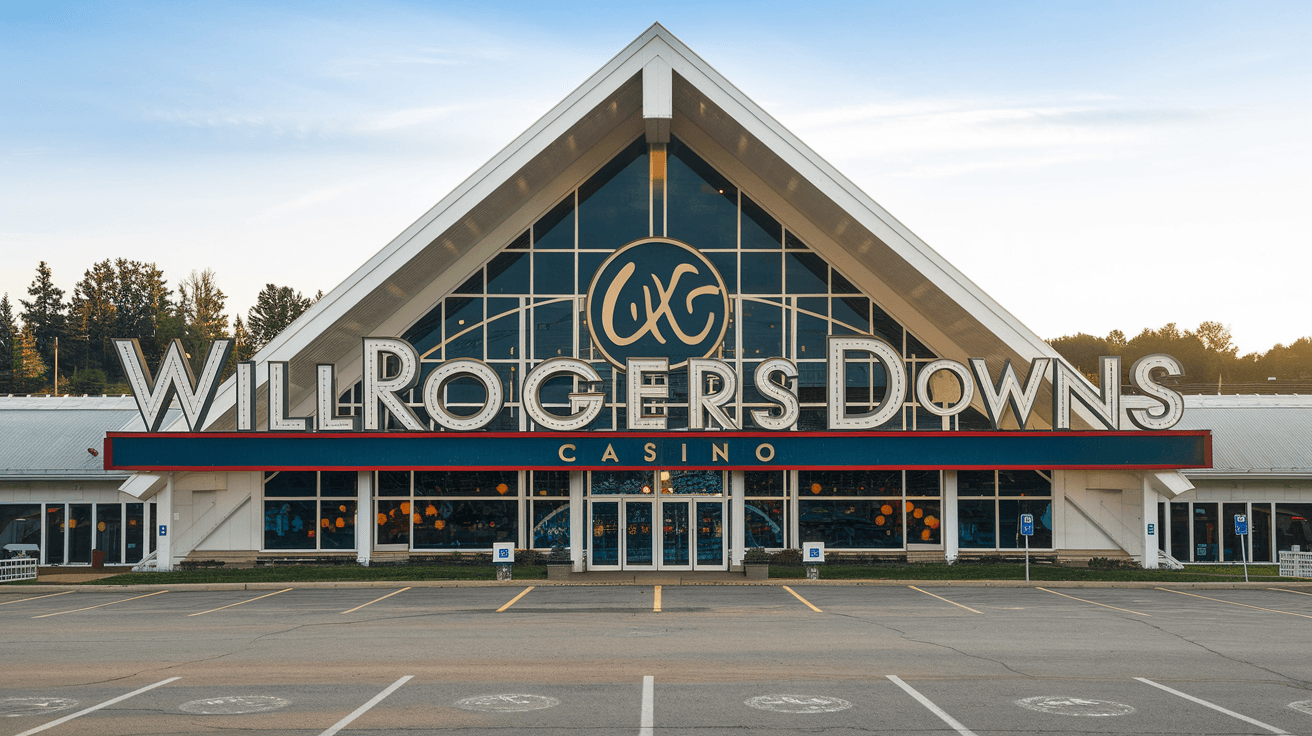
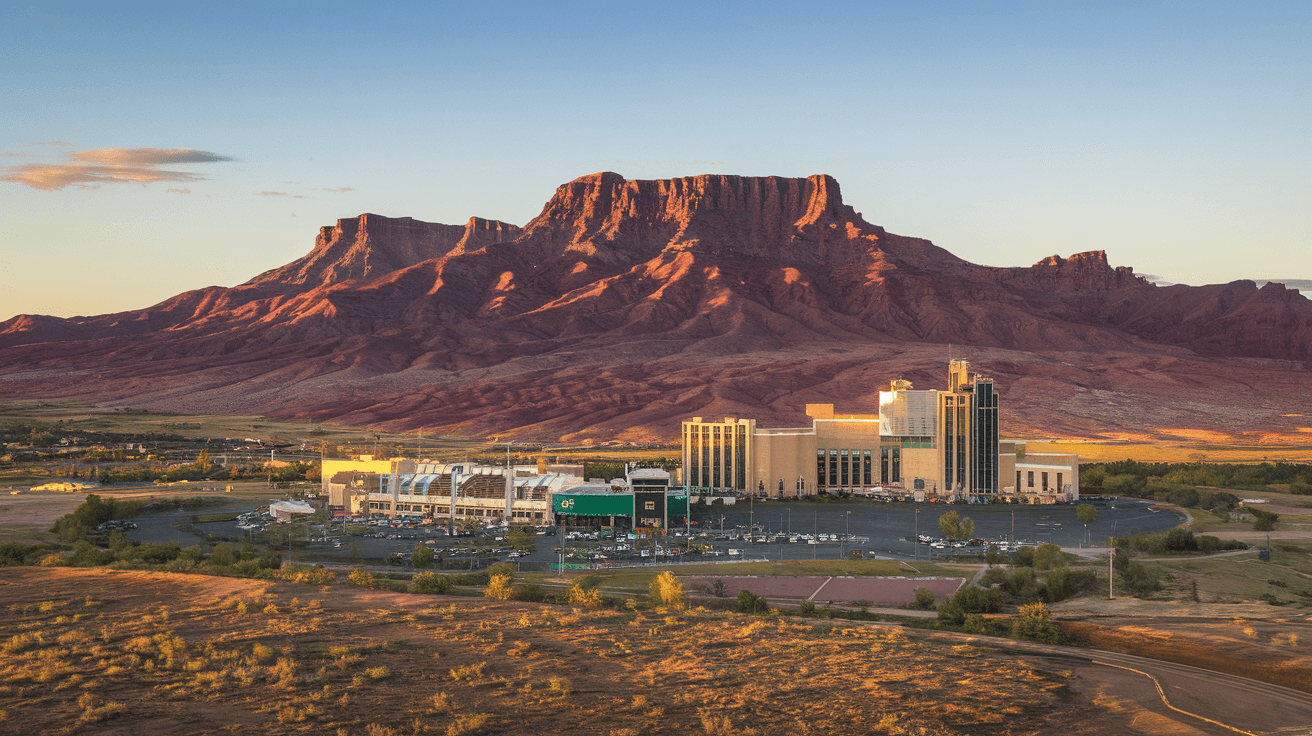
Casinos on reservations are gambling establishments operated by Native American tribes on their sovereign lands. These casinos are often called tribal casinos. They are unique because they operate under different laws than state or commercial casinos.
- Tribal casinos exist because of the Indian Gaming Regulatory Act (IGRA) passed in 1988.
- This law allows tribes to run casinos on their land to promote economic development.
- Tribal lands are considered sovereign, meaning tribes have the right to govern themselves.
- These casinos often provide jobs and funding for tribal services like healthcare and education.
Tribal casinos vary in size from small bingo halls to large resorts with hotels and entertainment venues. They are usually located on or near reservations but can sometimes be found on other tribal lands.
Are All Casinos Located on Reservations?
No, not all casinos are on reservations. There are many casinos across the United States and the world that operate outside of tribal lands. These are called commercial or non-tribal casinos.
Types of Casinos Outside Reservations
- Commercial Casinos: These are owned by private companies or governments. They are often found in cities like Las Vegas, Atlantic City, and Reno.
- Riverboat Casinos: Located on boats or barges, often on rivers. These are common in states like Mississippi and Missouri.
- Racinos: Casinos attached to racetracks where horse or dog racing happens.
- Online Casinos: Virtual platforms where people can gamble from home.
Each type of casino follows different rules depending on the state or country where they operate.
Why Are Some Casinos on Reservations?
Tribal casinos exist because of the unique legal status of Native American tribes. Before the Indian Gaming Regulatory Act, tribes had limited economic opportunities. Casinos became a way to generate income and improve living conditions.
- The IGRA allows tribes to negotiate compacts with states to operate casinos.
- These compacts set rules for the types of games and revenue sharing.
- Tribal casinos help fund tribal governments and community programs.
- They also create jobs for both tribal members and local residents.
Because of these benefits, many tribes have chosen to open casinos on their lands.
How Do Casinos on Reservations Differ from Commercial Casinos?
There are several differences between tribal casinos and commercial casinos:
| Feature | Tribal Casinos | Commercial Casinos |
| Ownership | Native American tribes | Private companies or governments |
| Location | Tribal lands or reservations | Cities, resorts, or riverboats |
| Regulation | Tribal and federal government | State government |
| Revenue Use | Tribal government and community | Private profit and taxes |
| Legal Basis | Indian Gaming Regulatory Act (IGRA) | State gambling laws |
These differences affect how casinos operate and their impact on local economies.
Examples of Casinos on Reservations
Some well-known tribal casinos include:
- Foxwoods Resort Casino in Connecticut, one of the largest tribal casinos in the U.S.
- Mohegan Sun, also in Connecticut, known for its entertainment and hotel.
- Pechanga Resort Casino in California, a major economic driver for the Pechanga Band of Luiseño Indians.
- Seminole Hard Rock Hotel & Casino in Florida, famous for its music-themed resort.
These casinos have become major tourist destinations and contribute significantly to their communities.
Examples of Casinos Not on Reservations
Not all casinos are tribal. Here are some famous commercial casinos:
- Las Vegas Strip in Nevada, home to iconic casinos like the Bellagio and Caesars Palace.
- Atlantic City in New Jersey, known for its boardwalk and casinos like Borgata.
- Reno in Nevada, often called the "Biggest Little City in the World."
- MGM Grand Detroit in Michigan, a commercial casino owned by MGM Resorts International.
These casinos operate under state laws and are often part of larger entertainment complexes.
How Do State Laws Affect Casino Locations?
State laws play a big role in where casinos can be located. Some states allow commercial casinos, while others only allow tribal casinos or none at all.
- States like Nevada and New Jersey have many commercial casinos.
- Others, like Oklahoma and Arizona, have mostly tribal casinos.
- Some states have riverboat or racetrack casinos.
- Many states regulate online gambling separately.
The mix of casino types depends on state policies and agreements with tribes.
The Economic Impact of Casinos on Reservations
Casinos on reservations have transformed many tribal communities. They provide:
- Jobs for tribal members and local residents.
- Funding for healthcare, education, and housing.
- Opportunities for cultural preservation and community development.
- Increased tourism and business growth in surrounding areas.
However, some tribes face challenges like competition and economic dependence on gaming revenue.
The Future of Casinos on Reservations
The casino industry continues to evolve. Trends include:
- Expansion of online gaming platforms by tribes.
- New agreements between tribes and states to allow more types of games.
- Development of resorts and entertainment complexes beyond just gambling.
- Efforts to diversify tribal economies beyond casinos.
These changes aim to sustain tribal economic growth and adapt to changing market demands.
Conclusion
So, are all casinos on reservations? The answer is no. While many casinos are operated by Native American tribes on their sovereign lands, there are also many commercial casinos located in cities, resorts, and other venues. Tribal casinos exist because of unique legal rights and provide important economic benefits to tribes.
Understanding the differences between tribal and commercial casinos helps you see why casinos are found in various places. Whether you visit a tribal casino on a reservation or a commercial casino in a city, each has its own story and role in the gaming industry.
FAQs
Are all Native American casinos located on reservations?
Most Native American casinos are on reservations or tribal lands, but some operate on lands held in trust or other tribal properties nearby.
Can non-tribal casinos operate on reservations?
Generally, non-tribal casinos cannot operate on reservations unless they have agreements with the tribe or specific legal permissions.
Do all states allow casinos on reservations?
Not all states have tribal casinos. It depends on whether tribes in that state have negotiated compacts under federal and state law.
Are online casinos run by tribes?
Some tribes have started operating online casinos, but this depends on state laws and tribal agreements.
What types of games are allowed in tribal casinos?
Tribal casinos typically offer slot machines, poker, blackjack, bingo, and other games, depending on their compact with the state.